Viet Thanh Nguyen’s ‘The Refugees’: A Story Analysis
Quick Answer
- Theme: Explores the multifaceted experiences of Vietnamese refugees in America, focusing on intergenerational trauma, cultural displacement, and the search for identity.
- Strengths: Nuanced character development, evocative prose, and a sensitive portrayal of complex emotional landscapes.
- Audience: Recommended for readers interested in post-war diasporic literature, the immigrant experience, and character-driven short story collections.
Who This Is For
- Readers seeking literary fiction that delves into the lasting impact of war and displacement on individuals and families.
- Those interested in understanding the specific cultural and psychological challenges faced by Vietnamese refugees and their descendants in the United States.
What to Check First
- Author’s Background: Viet Thanh Nguyen’s own experiences as a refugee inform the collection, lending authenticity to its narratives.
- Collection Structure: The stories, while distinct, often weave together characters and themes, creating a larger tapestry of the refugee experience.
- Narrative Tone: Expect a generally somber and introspective tone, punctuated by moments of profound connection and quiet resilience.
- Thematic Depth: Consider the recurring motifs of memory, loss, the mother-child bond, and the struggle to reconcile past and present.
Step-by-Step Plan for Analyzing The Refugees by Viet Thanh Nguyen
1. Read the Collection Sequentially: Begin with “Black-Eyed Woman” and proceed through the stories in the order presented.
- What to Look For: Observe how Nguyen introduces key characters and recurring motifs across different narratives. Note the initial establishment of themes like displacement and fractured family dynamics.
- Mistake to Avoid: Skipping stories or reading them out of order, which can obscure the subtle connections and thematic development Nguyen meticulously crafts.
2. Identify Recurring Characters and Relationships: Track the reappearance of individuals like Mrs. Khanh, Lien, and the various sons and fathers.
- What to Look For: How do these characters’ portrayals evolve or gain new dimensions as they appear in different stories? Analyze the dynamics within families, particularly between parents and children.
- Mistake to Avoid: Treating each story as entirely isolated; many characters serve as connective tissue, deepening the overall impact of the collection.
3. Map Key Themes Across Stories: Note instances of memory, trauma, cultural assimilation, and the search for belonging.
- What to Look For: How does the weight of the past manifest in the characters’ present lives? Examine the tension between preserving Vietnamese identity and adapting to American culture.
- Mistake to Avoid: Focusing on plot alone; the emotional and psychological undercurrents are central to understanding the collection’s power.
4. Analyze the Narrative Voice and Style: Pay attention to Nguyen’s prose, sentence structure, and the emotional register of each story.
- What to Look For: Notice the use of sensory details, internal monologues, and the subtle shifts in perspective. Identify moments of lyrical beauty amidst hardship.
- Mistake to Avoid: Overlooking the quiet power of Nguyen’s understated narration; the emotional resonance often lies in what is not explicitly stated.
For readers interested in exploring the profound themes of displacement and identity, Viet Thanh Nguyen’s ‘The Refugees’ is a highly recommended collection. It offers a nuanced look at the Vietnamese diaspora.
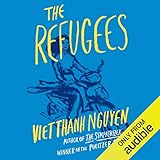
- Audible Audiobook
- Viet Thanh Nguyen (Author) - Viet Thanh Nguyen (Narrator)
- English (Publication Language)
- 02/07/2017 (Publication Date) - Audible Studios (Publisher)
5. Consider the Impact of “The Boat People” Experience: Understand how the historical context of the Vietnamese diaspora shapes the characters’ motivations and anxieties.
- What to Look For: How do characters grapple with the trauma of leaving their homeland, the perilous journey, and the challenges of resettlement?
- Mistake to Avoid: Viewing the stories as generic immigrant tales; the specific historical trauma of the boat people is a crucial differentiator.
6. Evaluate Character Arcs and Resolutions: Assess whether characters find peace, understanding, or simply learn to endure their circumstances.
- What to Look For: Are the resolutions clear-cut, or do they remain ambiguous, reflecting the ongoing nature of healing and adaptation?
- Mistake to Avoid: Expecting universally happy endings; the collection’s strength lies in its realistic portrayal of complex emotional journeys.
7. Formulate Your Own Interpretation: Based on your analysis, synthesize your understanding of the collection’s central messages and its contribution to literature.
- What to Look For: What is Nguyen ultimately saying about memory, identity, and the enduring human spirit in the face of profound loss?
- Mistake to Avoid: Limiting your interpretation to a single theme; the collection’s richness comes from its layered exploration of multiple interconnected ideas.
Common Myths About The Refugees by Viet Thanh Nguyen
- Myth: The collection is a straightforward historical account of the Vietnam War’s aftermath.
- Why it Matters: This misconception can lead readers to expect a more journalistic or overtly political narrative, potentially overlooking the deeply personal and psychological focus.
- Fix: Approach the stories as literary fiction that uses historical context to explore universal human experiences of loss, trauma, and identity.
- Myth: All characters in the collection share identical experiences of displacement.
- Why it Matters: This generalization risks flattening the nuanced portrayals of individual struggles and the diverse ways people adapt to new environments.
- Fix: Recognize that while shared trauma binds many characters, their individual journeys, coping mechanisms, and relationships with their past and present are distinct and varied.
The Refugees by Viet Thanh Nguyen: Thematic Analysis
Viet Thanh Nguyen’s The Refugees offers a poignant and unflinching examination of the Vietnamese diaspora, focusing on the profound and often invisible wounds carried by those who fled their homeland. The collection masterfully navigates the complexities of intergenerational trauma, cultural dislocation, and the persistent search for belonging in a new world. Nguyen doesn’t shy away from the difficult emotional terrain, presenting characters grappling with the ghosts of their past while attempting to forge a future.
The stories frequently center on the fractured bonds within families, particularly the strained relationships between refugee parents and their American-born children. This intergenerational divide is a rich source of conflict and misunderstanding, as parents struggle to communicate the depth of their experiences and children grapple with identities shaped by two cultures. Nguyen’s prose is precise and evocative, capturing the quiet desperation, the lingering resentments, and the unexpected moments of grace that define these lives.
One of the collection’s most compelling strengths is its nuanced portrayal of memory. For the refugees, memory is not a static archive but a living, often painful, presence that shapes their present reality. The stories explore how the trauma of war, the perilous journey across the sea, and the struggle for survival in a foreign land continue to haunt the characters, influencing their relationships, their aspirations, and their sense of self.
Key Decision Criterion: Thematic Resonance vs. Plot-Driven Narrative
When considering The Refugees by Viet Thanh Nguyen, a crucial decision criterion for potential readers is their preference for thematic depth versus plot-driven action.
- For readers prioritizing thematic resonance: This collection excels. The strength lies in its deep dive into the psychological and emotional aftermath of displacement. If you appreciate works that explore complex human behaviors through character introspection and subtle narrative threads, The Refugees will resonate deeply.
- For readers who prefer strong, linear plots: This collection might present a different experience. While each story has a narrative arc, the emphasis is on internal conflict and the exploration of enduring emotional states rather than swift plot progression. If a fast-paced, action-heavy plot is your primary requirement, you may find the deliberate pacing and introspective nature of these stories less immediately engaging.
Expert Tips for Engaging with The Refugees by Viet Thanh Nguyen
- Tip 1: Embrace Ambiguity: Recognize that Nguyen often leaves resolutions open-ended, reflecting the ongoing nature of healing and identity formation.
- Actionable Step: After finishing a story, spend a few minutes journaling about what the ending means to you, considering multiple interpretations rather than seeking a single “correct” answer.
- Common Mistake to Avoid: Frustration with unclear endings; view these ambiguities as intentional artistic choices that invite deeper reflection.
- Tip 2: Track Motifs Across Stories: Pay attention to recurring symbols, phrases, or character archetypes that reappear throughout the collection.
- Actionable Step: Keep a running list of recurring elements as you read, noting their context in each instance. This can reveal underlying connections and thematic preoccupations.
- Common Mistake to Avoid: Reading each story in isolation without noticing the subtle echoes and interconnections that build the collection’s overarching resonance.
- Tip 3: Consider the Historical Context: While the stories are deeply personal, understanding the broader historical context of Vietnamese refugees enhances comprehension.
- Actionable Step: Briefly research the “boat people” exodus and the general experiences of Vietnamese refugees in the United States before or during your reading.
- Common Mistake to Avoid: Assuming the characters’ experiences are universal or disconnected from specific historical events; the weight of that history is integral to their narratives.
BLOCKQUOTE_0
This quote, while not directly from Nguyen’s work, encapsulates a central sentiment found within The Refugees. It highlights the collection’s exploration of universal human longing for belonging, using the specific experience of refugees as a lens to examine this fundamental need.
Quick Comparison
| Option | Best for | Pros | Watch out |
|---|---|---|---|
| Quick Answer | General use | Theme: Explores the multifaceted experiences of Vietnamese refugees in Americ… | Mistake to Avoid: Skipping stories or reading them out of order, which can ob… |
| Who This Is For | General use | Strengths: Nuanced character development, evocative prose, and a sensitive po… | Mistake to Avoid: Treating each story as entirely isolated; many characters s… |
| What to Check First | General use | Audience: Recommended for readers interested in post-war diasporic literature… | Mistake to Avoid: Focusing on plot alone; the emotional and psychological und… |
| Step-by-Step Plan for Analyzing The Refugees by Viet Thanh Nguyen | General use | Readers seeking literary fiction that delves into the lasting impact of war a… | Mistake to Avoid: Overlooking the quiet power of Nguyen’s understated narrati… |
Decision Rules
- If reliability is your top priority for The Refugees by Viet Thanh Nguyen, choose the option with the strongest long-term track record and support.
- If value matters most, compare total ownership cost instead of headline price alone.
- If your use case is specific, prioritize fit-for-purpose features over generic ‘best overall’ claims.
FAQ
- Q1: Are the stories in The Refugees interconnected?
A1: Yes, many stories are interconnected through recurring characters, themes, and subtle narrative links, creating a cohesive whole rather than a collection of entirely independent pieces.
- Q2: Is The Refugees a good starting point for Viet Thanh Nguyen’s work?
A2: Yes, it serves as an excellent introduction to Nguyen’s distinctive voice, thematic concerns, and his ability to craft deeply resonant narratives about the Vietnamese diaspora.
- Q3: What is the primary emotional tone of the collection?
A3: The primary emotional tone is one of introspection, melancholy, and resilience, with moments of profound sadness balanced by quiet acts of connection and perseverance.