Vasily Grossman’s Life and Fate: A Soviet Epic
Vasily Grossman’s Life and Fate stands as a monumental testament to human endurance and the devastating impact of totalitarianism. This guide offers a practical framework for engaging with this dense, historically significant novel. It focuses on understanding its thematic depth, narrative structure, and suitability for readers, while also addressing common misconceptions and providing expert advice for a more rewarding reading experience.
Quick Answer
- Life and Fate is an epic novel set during World War II, detailing the Soviet Union’s struggle and the profound human cost of totalitarian regimes.
- It is celebrated for its unflinching realism and its nuanced exploration of morality, resistance, and survival amidst state-sanctioned cruelty.
- This book is recommended for readers prepared for a lengthy, character-driven narrative that demands intellectual and emotional investment, offering deep philosophical insights.
Who This Is For
- Readers interested in 20th-century Russian literature, historical fiction, and the moral complexities of war and political oppression.
- Individuals seeking a profound, challenging novel that explores universal themes of freedom, humanity, and the nature of evil.
What to Check First
- Historical Context: A foundational understanding of the Soviet Union during World War II, including the Siege of Stalingrad and the Gulag system, is essential for full comprehension. Familiarity with the broader Stalinist era will also enhance the reading experience.
- Author’s Background: Vasily Grossman’s role as a war correspondent and his personal experiences heavily influence the novel. His biography reveals his struggles with censorship and his unwavering commitment to historical truth.
- Thematic Scope: Be prepared for an extensive exploration of themes such as freedom, the nature of totalitarianism (both Nazi and Soviet), human resilience, and individual conscience.
- Narrative Structure: Grossman employs a broad, multi-perspective approach, weaving together numerous characters and storylines. The prose is direct, often stark, and deeply observational.
Step-by-Step Plan for Engaging with Life and Fate
1. Begin with the Opening Chapters: Observe how Grossman introduces a diverse array of characters and their initial circumstances, noting early indications of political pressure and societal shifts.
- Action: Focus on the initial character introductions and their domestic or professional settings.
- What to look for: The interconnectedness of disparate lives and the subtle ways state ideology infiltrates personal existence.
- Mistake to avoid: Expecting a single, easily identifiable protagonist; Grossman’s narrative is deliberately polyphonic, with many central figures.
2. Immerse Yourself in the Siege of Stalingrad: Pay close attention to the detailed depiction of the battle and its profound impact on both combatants and civilians.
- Action: Read the Stalingrad sections with an emphasis on sensory details and the immediate realities of warfare.
- What to look for: The granular reality of combat, acts of heroism and brutality, and the psychological effects of extreme stress and deprivation.
- Mistake to avoid: Underestimating the descriptive power; Grossman’s visceral realism is crucial for understanding the human toll of war.
3. Follow Key Character Arcs: Track the development of central figures like Lyudmila, Viktor, and Professor Shtrum as they navigate personal trials and ideological conflicts.
- Action: Make mental notes or brief annotations on the moral decisions and personal transformations of major characters.
- What to look for: Their moral decision-making under duress and how their core beliefs are tested or affirmed.
- Mistake to avoid: Becoming emotionally detached from individual fates; the novel’s profound impact stems from its focus on human-scale experiences.
4. Analyze the Parallelism of Totalitarian Systems: Note how Grossman contrasts the Nazi concentration camps with the Soviet Gulag system.
- Action: Actively compare and contrast the descriptions of suffering and control in both Nazi and Soviet contexts.
- What to look for: The shared mechanisms of dehumanization and their distinct ideological justifications and operational methods.
- Mistake to avoid: Superficial equivalence; Grossman meticulously delineates their specific natures while emphasizing their common cruelty.
Vasily Grossman’s Life and Fate is a powerful and essential read for anyone interested in the human cost of totalitarianism. This epic novel offers a profound look at resilience and morality during WWII.
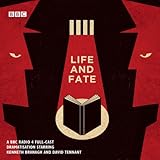
- Audible Audiobook
- Vasily Grossman (Author) - Kenneth Branagh, David Tennant, Raquel Cassidy (Narrators)
- English (Publication Language)
- 10/13/2011 (Publication Date) - BBC Audio (Publisher)
5. Engage with Philosophical Dialogues: Participate in the intellectual discussions and internal monologues that explore freedom, determinism, and the nature of evil.
- Action: Slow down during passages that delve into philosophical reflection or ethical debate.
- What to look for: Grossman’s explicit arguments concerning human dignity and the resistance of the individual spirit against oppressive systems.
- Mistake to avoid: Skimming these sections; they form the intellectual core of the novel and articulate its central message.
6. Examine the Role of Science and Ideology: Observe how scientific inquiry and its potential misuse are portrayed, particularly through Professor Shtrum’s work.
- Action: Consider the ethical implications of scientific advancement within a totalitarian state and the conflict between objective truth and state ideology.
- What to look for: The tension between scientific objectivity and the demands of political conformity.
- Mistake to avoid: Treating scientific elements as mere plot devices; they represent broader philosophical concerns about knowledge and power.
7. Reflect on the Novel’s Conclusion: Ponder the resolution of the various storylines and their implications for the characters and overarching themes.
- Action: Consider the lasting impact of the events on the characters and the broader societal context.
- What to look for: The enduring, albeit often fragile, human connections and the persistence of unresolved moral questions.
- Mistake to avoid: Expecting a simple or triumphant conclusion; Grossman’s ending is more reflective of ongoing struggle and the complex legacy of the era.
Understanding Life and Fate by Vasily Grossman
Vasily Grossman’s Life and Fate is frequently compared to Leo Tolstoy’s War and Peace for its epic scope and profound engagement with historical events. However, its unique power lies in its unflinching examination of totalitarianism and the enduring human spirit. Written in 1960 and suppressed by Soviet authorities for decades, the novel is a direct and deeply personal indictment of both Nazi and Stalinist regimes. Grossman, a Jewish writer and war correspondent, drew heavily on his firsthand experiences of the war and the Gulag to depict the immense suffering and moral compromises forced upon individuals.
The narrative unfolds across a vast canvas, following dozens of characters whose lives are irrevocably shaped by the cataclysm of World War II and the pervasive reach of state control. From the brutal defense of Stalingrad to the horrors of extermination camps and Siberian labor camps, Grossman meticulously details the physical and psychological impact of systematic oppression. Yet, amidst this profound darkness, the novel illuminates moments of extraordinary human connection, quiet acts of defiance, and the persistent search for meaning. At its core, Life and Fate grapples with the fundamental conflict between the state’s demand for absolute conformity and the irrepressible human need for individual freedom and moral autonomy.
Common Myths About Life and Fate
- Myth 1: Life and Fate is primarily an anti-Nazi novel.
- Why it matters: This view overlooks Grossman’s equally forceful critique of Soviet totalitarianism. The novel draws striking parallels between Nazi extermination camps and the Soviet Gulag, arguing that both systems, despite their ideological differences, share a common foundation in dehumanization and the suppression of individual conscience.
- Correction: Approach the novel with an understanding of Grossman’s dual critique. Pay attention to his portrayal of the Soviet secret police, the purges, and the pervasive atmosphere of fear within the USSR, often juxtaposed with the horrors of the Nazi regime.
- Myth 2: The novel is relentlessly bleak and offers no hope.
- Why it matters: While dealing with horrific subject matter, Life and Fate is ultimately a testament to human resilience. Grossman meticulously depicts the capacity for love, compassion, and courage even in the most dire circumstances, suggesting that the human spirit’s capacity for goodness cannot be entirely extinguished.
- Correction: Read the novel with an eye for its nuanced portrayal of humanity. Seek out instances of solidarity, ethical resistance, and the enduring search for meaning that Grossman embeds within the narrative, such as the quiet dignity of characters like Anna or the intellectual courage of Professor Shtrum.
Expert Tips for Reading Life and Fate
- Tip 1: Embrace the Polyphony.
- Actionable Step: Do not be intimidated by the large cast of characters. Consider keeping a character list if helpful, and focus on understanding how each individual’s story contributes to the larger thematic tapestry.
- Common Mistake to Avoid: Trying to meticulously track every single character’s subplot from the outset. Instead, allow the major narrative threads to emerge and connect them as the story progresses.
- Tip 2: Connect the Personal to the Political.
- Actionable Step: Actively look for how the grand political forces of Nazism and Stalinism impact the intimate lives and personal relationships of the characters.
- Common Mistake to Avoid: Reading the political commentary and the personal stories as separate entities. Grossman masterfully intertwines them, demonstrating that political systems are fundamentally defined by their effect on individual human beings.
- Tip 3: Recognize Grossman’s Moral Philosophy.
- Actionable Step: Pay close attention to the philosophical discussions and internal monologues, particularly those involving Professor Shtrum. These sections articulate Grossman’s core beliefs about freedom, compassion, and the nature of good and evil.
- Common Mistake to Avoid: Skipping over the more reflective or philosophical passages. These are not digressions but the very heart of the novel’s message, offering clear insights into what Grossman believed truly defined human existence.
Life and Fate by Vasily Grossman: A Literary Examination
The literary strength of Life and Fate by Vasily Grossman lies in its unparalleled ability to humanize the vast, impersonal forces of history. Grossman avoids grand pronouncements in favor of deeply observed individual experiences. The novel’s structure, moving fluidly between diverse settings—from the battlefields of Stalingrad to Siberian labor camps and scientific institutes—creates a mosaic of Soviet life under extreme duress. This
Quick Comparison
| Option | Best for | Pros | Watch out |
|---|---|---|---|
| Quick Answer | General use | <em>Life and Fate</em> is an epic novel set during World War II, detailing the Sovie… | Mistake to avoid: Expecting a single, easily identifiable protagonist; Grossm… |
| Who This Is For | General use | It is celebrated for its unflinching realism and its nuanced exploration of m… | Mistake to avoid: Underestimating the descriptive power; Grossman’s visceral… |
| What to Check First | General use | This book is recommended for readers prepared for a lengthy, character-driven… | Mistake to avoid: Becoming emotionally detached from individual fates; the no… |
| Step-by-Step Plan for Engaging with Life and Fate | General use | Readers interested in 20th-century Russian literature, historical fiction, an… | Mistake to avoid: Superficial equivalence; Grossman meticulously delineates t… |
Decision Rules
- If reliability is your top priority for Life and Fate by Vasily Grossman, choose the option with the strongest long-term track record and support.
- If value matters most, compare total ownership cost instead of headline price alone.
- If your use case is specific, prioritize fit-for-purpose features over generic ‘best overall’ claims.