Erich Maria Remarque’s Arch of Triumph
Quick Answer
- Arch of Triumph by Erich Maria Remarque is a novel set in Paris in 1938, exploring themes of statelessness, forbidden love, and the existential dread preceding World War II.
- This work is best suited for readers who appreciate introspective, character-driven literary fiction with a strong historical and psychological focus.
- Those seeking fast-paced plots or overt action sequences may find the novel’s deliberate pacing and somber tone less engaging.
Who This Is For
- This novel is for readers who value deep character analysis and are interested in the psychological impact of displacement and political persecution on individuals.
- It is suitable for those who appreciate literary fiction that grapples with complex moral dilemmas and the existential questions faced by individuals in turbulent historical periods.
For those who appreciate introspective, character-driven literary fiction with a strong historical and psychological focus, Erich Maria Remarque’s Arch of Triumph is an excellent choice. It delves into complex themes with a deliberate and somber tone.
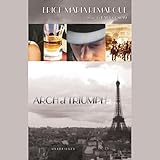
- Audible Audiobook
- Erich Maria Remarque (Author) - Ralph Cosham (Narrator)
- English (Publication Language)
- 12/17/2004 (Publication Date) - Blackstone Audio, Inc. (Publisher)
What to Check First
- Historical Context: The novel is set in Paris in 1938, a period of intense political anxiety as Nazism rises in Germany. This backdrop is crucial to understanding the characters’ precarious situations and underlying dread.
- Author’s Themes: Erich Maria Remarque, known for All Quiet on the Western Front, often explores the disillusionment and trauma following war. Arch of Triumph continues this examination, focusing on the internal struggles of those displaced by conflict and political upheaval.
- Protagonist’s Status: Dr. Ravic is an illegal immigrant and a former political prisoner, operating without legal papers. This statelessness shapes his every interaction and decision, highlighting the vulnerability of those without a homeland.
- Narrative Tone: Be prepared for a reflective, often melancholic tone. The novel prioritizes internal emotional landscapes and philosophical contemplation over overt action.
Step-by-Step Plan for Engaging with Arch Of Triumph by Erich Maria Remarque
1. Establish Ravic’s Existence: Focus on Dr. Ravic’s clandestine life in Paris, his illicit surgical practice, and the constant threat of discovery.
- Action: Read the opening chapters detailing Ravic’s precarious existence and his work for a black-market clinic.
- Look for: The pervasive sense of fear and the compromises he makes to survive.
- Mistake: Underestimating the significance of his medical practice as his primary means of maintaining a semblance of dignity and purpose.
2. Observe the Parisian Atmosphere: Pay attention to how Remarque depicts Paris as a city of both fleeting beauty and deep underlying despair on the eve of war.
- Action: Note the descriptions of Parisian nightlife, the expatriate communities, and the general mood of anxiety.
- Look for: The contrast between the city’s outward appearance and the characters’ internal turmoil.
- Mistake: Treating Paris as a mere backdrop; its atmosphere and social dynamics are integral to the characters’ psychological states.
3. Analyze the Relationship with Joan Madou: Examine the complex, often fraught, connection between Ravic and the actress Joan Madou.
- Action: Track the development of their relationship, from its initial intensity to its eventual complications.
- Look for: How their love provides solace but also becomes a source of entanglement, mirroring the broader political instability.
- Mistake: Reducing their relationship to a simple romance; it serves as a microcosm of larger existential struggles.
4. Identify the Threat of Haake: Understand the role of Gestapo agent Haake as a symbol of the encroaching political darkness and personal danger.
- Action: Observe Haake’s presence and his pursuit of Ravic and others like him.
- Look for: How Haake embodies the inescapable threat of persecution faced by those targeted by the Nazi regime.
- Mistake: Viewing Haake solely as a personal antagonist; he represents the systemic forces threatening the characters’ lives.
5. Evaluate Ravic’s Moral Choices: Consider the ethical quandaries Ravic faces, particularly concerning his medical skills and his personal safety.
- Action: Note instances where Ravic must make difficult decisions with profound consequences for himself and others.
- Look for: The compromises he makes and the emotional toll these decisions take.
- Mistake: Judging Ravic’s actions by conventional ethical standards without accounting for the extreme duress of his illegal status and the looming war.
6. Process the Thematic Resonance: Reflect on the novel’s broader themes of identity, memory, and the human capacity for both cruelty and compassion.
- Action: Identify recurring motifs and the philosophical questions posed throughout the narrative.
- Look for: Connections between individual struggles and the impending global conflict.
- Mistake: Focusing only on plot mechanics and missing the deeper commentary on human behavior.
7. Consider the Ending’s Ambiguity: Understand that the conclusion may not offer neat resolutions but rather a continuation of the characters’ search for peace.
- Action: Ponder the final events and their implications for Ravic and Joan.
- Look for: The lingering sense of uncertainty and the enduring impact of their experiences.
- Mistake: Expecting a definitive happy ending; Remarque’s focus is often on resilience and survival, not necessarily triumph.
Arch Of Triumph by Erich Maria Remarque: Themes and Context
This section delves into the core thematic concerns and the specific historical context that shapes Arch Of Triumph by Erich Maria Remarque. The novel is set in Paris in 1938, a city teetering on the brink of World War II. This period of heightened political tension and the rising tide of Nazism create an atmosphere of pervasive anxiety that permeates the lives of the characters, particularly Dr. Ravic, a stateless refugee and former political prisoner.
The primary themes explored include the profound psychological impact of displacement and exile, the complexities of forbidden love in times of crisis, and the persistent human search for meaning and identity when stripped of fundamental security. Remarque masterfully uses the setting of Paris not just as a backdrop but as a character in itself, a place that offers both a fragile sanctuary and a constant reminder of the encroaching dangers. The narrative’s strength lies in its introspective examination of Ravic’s internal struggles, his attempts to maintain his humanity and professional integrity in a world that has rendered him invisible.
BLOCKQUOTE_0
This quote from the novel powerfully encapsulates the pervasive sense of alienation and statelessness that defines many of its characters. It highlights how external circumstances can lead to an internal state of being an outsider, regardless of one’s physical location. This thematic resonance is a key reason why Arch Of Triumph by Erich Maria Remarque continues to be studied for its commentary on human behavior.
Common Myths About Arch Of Triumph
- Myth: Arch of Triumph is a straightforward war novel focused on action.
- Why it matters: This misconception can lead readers to expect a narrative driven by combat or overt heroism, which is not the novel’s primary focus.
- Fix: Understand that the novel is set in the shadow of war, concentrating on its psychological aftermath, the experiences of refugees, and existential struggles rather than battlefield events.
- Myth: The romantic relationship between Ravic and Joan Madou is the sole central element.
- Why it matters: While their love is significant, viewing it in isolation overlooks the broader thematic concerns of the novel.
- Fix: Recognize that their relationship is intertwined with Ravic’s quest for identity, his struggle against political oppression, and the general atmosphere of pre-war anxiety. It serves as a focal point for exploring these larger themes.
- Myth: The novel offers a hopeful or triumphant conclusion.
- Why it matters: Expecting a conventional happy ending can lead to disappointment with the novel’s more nuanced and somber resolution.
- Fix: Appreciate that Remarque’s focus is on resilience, survival, and the enduring human spirit, rather than a definitive victory or easy closure. The ending reflects the ongoing challenges faced by the characters.
Decision Criterion: Historical Empathy vs. Narrative Pacing
When considering Arch of Triumph by Erich Maria Remarque, a critical decision criterion emerges: your tolerance for deliberate pacing versus your desire for historical empathy.
- If your priority is deep historical empathy and understanding the psychological toll of displacement: You will likely find the novel’s detailed character studies and atmospheric descriptions highly rewarding. The novel excels at immersing the reader in the anxieties and moral compromises of its characters living under the shadow of fascism.
- If your priority is a fast-paced narrative with a clear, driving plot: You may find the novel’s introspective nature and slower development challenging. While the underlying tension is palpable, the narrative unfolds through character reflection and subtle interactions rather than overt action.
Expert Tips for Reading Arch Of Triumph
- Tip 1: Understand Ravic’s “Medical Ethics.” Dr. Ravic operates outside the legal medical system due to his status as an illegal immigrant, performing clandestine surgeries for a black-market clinic.
- Action: Observe how Ravic navigates these ethically ambiguous situations, balancing his professional skills with his precarious existence and the desperate needs of his patients.
- Mistake to Avoid: Judging his actions solely by modern, conventional ethical standards without acknowledging the extreme circumstances and lack of legal recourse he faces.
- Tip 2: Recognize Paris as a Character. The city of Paris is not merely a backdrop but a dynamic entity that offers both refuge and peril to its inhabitants, particularly those like Ravic who are not legally recognized.
- Action: Pay close attention to the descriptions of Parisian life, its social strata, the atmosphere of impending doom, and how these elements influence the characters’ actions and emotional states.
- Mistake to Avoid: Treating Paris as a neutral setting; its mood, social dynamics, and the constant threat of exposure are integral to the narrative’s tension.
- Tip 3: Appreciate the Nuances of Love and Despair. The relationships in the novel, particularly between Ravic and Joan Madou,
Quick Comparison
| Option | Best for | Pros | Watch out |
|---|---|---|---|
| Quick Answer | General use | <em>Arch of Triumph</em> by Erich Maria Remarque is a novel set in Paris in 1938, ex… | Mistake: Underestimating the significance of his medical practice as his prim… |
| Who This Is For | General use | This work is best suited for readers who appreciate introspective, character-… | Mistake: Treating Paris as a mere backdrop; its atmosphere and social dynamic… |
| What to Check First | General use | Those seeking fast-paced plots or overt action sequences may find the novel’s… | Mistake: Reducing their relationship to a simple romance; it serves as a micr… |
| Step-by-Step Plan for Engaging with Arch Of Triumph by Erich Maria Remarque | General use | This novel is for readers who value deep character analysis and are intereste… | Mistake: Viewing Haake solely as a personal antagonist; he represents the sys… |
Decision Rules
- If reliability is your top priority for Arch Of Triumph by Erich Maria Remarque, choose the option with the strongest long-term track record and support.
- If value matters most, compare total ownership cost instead of headline price alone.
- If your use case is specific, prioritize fit-for-purpose features over generic ‘best overall’ claims.