The Kalevala: Finland’s Epic Poem by Elias Lönnrot
The Kalevala by Elias Lönnrot: Quick Answer
- The Kalevala by Elias Lönnrot is a foundational work of Finnish national literature, compiled from oral folk poetry.
- It offers a broad range of myths, heroes, and creation stories, providing deep insight into Finnish culture and identity.
- Readers seeking epic narratives, complex characters, and a unique mythological system will find this work compelling.
The Kalevala by Elias Lönnrot: Who This Is For
- Readers interested in world mythology and epic poetry, particularly those exploring non-Western traditions.
- Individuals seeking to understand the cultural and national identity of Finland through its foundational literary work.
What to Check First
- Edition and Translation: The translation significantly impacts the reading experience. Look for scholarly editions with helpful annotations.
- Familiarity with Finnish Folklore: While not strictly necessary, a basic understanding of Finnish cultural motifs can enhance comprehension.
- Reading Goals: Are you reading for plot, cultural insight, linguistic beauty, or mythological structure? This will shape your expectations.
- Length and Scope: The Kalevala is an extensive work. Be prepared for a significant reading commitment.
For those looking to dive into Finland’s rich cultural heritage, Elias Lönnrot’s compilation, “The Kalevala,” is an essential read. This foundational work offers a captivating journey through Finnish myths, heroes, and creation stories.
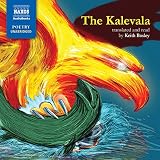
The Kalevala
- Audible Audiobook
- Elias Lönnrot (Author) - Keith Bosley (Narrator)
- English (Publication Language)
- 02/05/2013 (Publication Date) - Naxos AudioBooks (Publisher)
Step-by-Step Plan for Engaging with The Kalevala
1. Select a Reputable Translation:
- Action: Research and choose a translation known for its accuracy and literary merit. Examples include the translations by Francis Peabody Magoun Jr. or Keith Bosley.
- What to Look For: Translations that balance poetic flow with fidelity to the original meter and meaning. Check reviews for reader feedback on clarity and engagement.
- Mistake to Avoid: Opting for the cheapest or most readily available translation without checking its critical reception, which can lead to a disjointed or inaccurate understanding of the epic.
2. Familiarize Yourself with the Context:
- Action: Read introductory material about Elias Lönnrot’s compilation process and the historical/cultural background of Finnish oral poetry.
- What to Look For: Information on how Lönnrot gathered and organized the poems, and the significance of this epic for Finnish national identity.
- Mistake to Avoid: Diving directly into the text without understanding its origins, potentially missing the nuances of its construction and purpose.
3. Approach as a Mythological Cycle, Not a Linear Novel:
- Action: Understand that The Kalevala by Elias Lönnrot is a collection of interwoven myths and sagas, rather than a single, continuous narrative with a clear beginning, middle, and end.
- What to Look For: Recurring themes, characters, and motifs that connect different sections. Recognize that character arcs may be episodic rather than continuous.
- Mistake to Avoid: Expecting a plot structure similar to modern novels, which can lead to frustration with perceived inconsistencies or lack of progression.
4. Focus on Key Characters and Their Journeys:
- Action: Identify and track the central figures, such as Väinämöinen, Ilmarinen, and Lemminkäinen, and their primary quests or conflicts.
- What to Look For: The motivations, powers, and relationships of these heroes. Note their triumphs and failures.
- Mistake to Avoid: Getting lost in the vast cast of minor characters and supernatural beings without anchoring your understanding to the main protagonists.
5. Pay Attention to Creation Myths and Magical Elements:
- Action: Observe the descriptions of the world’s creation, the forging of magical artifacts (like the Sampo), and the use of powerful incantations.
- What to Look For: The symbolic meaning of these elements within the Finnish worldview. Note the power attributed to words and song.
- Mistake to Avoid: Dismissing the magical and mythical aspects as mere fantasy, thereby overlooking their deep cultural and philosophical significance.
6. Engage with Annotations and Scholarly Notes:
- Action: Utilize any footnotes, endnotes, or appendices provided in your edition to clarify obscure references, linguistic points, or cultural context.
- What to Look For: Explanations of archaic terms, mythological parallels, and Lönnrot’s editorial choices.
- Mistake to Avoid: Skimming or ignoring the scholarly apparatus, which can leave many passages ambiguous or their deeper meanings inaccessible.
7. Reflect on Themes of Nature, Fate, and Human Endeavor:
- Action: Consider the recurring themes of the relationship between humans and nature, the concept of destiny, and the challenges of creation and survival.
- What to Look For: How these themes are illustrated through the characters’ actions and the narrative’s events.
- Mistake to Avoid: Reading the epic solely for its surface-level adventures without considering the underlying philosophical and cultural messages.
Common Myths About The Kalevala
- Myth: The Kalevala is an ancient, unified text written by a single author.
- Why it Matters: This misconception overlooks the nature of epic poetry compilation and the role of oral tradition.
- Correction: The Kalevala is a literary epic compiled by Elias Lönnrot in the 19th century, drawing from a vast body of oral folk poetry collected from various regions of Finland and Karelia over centuries. Lönnrot organized, edited, and synthesized these poems to create a cohesive national epic.
- Myth: The Kalevala is a straightforward historical account of Finland’s past.
- Why it Matters: This can lead to misinterpretations of its narrative as literal history rather than mythological and symbolic storytelling.
- Correction: While the epic reflects aspects of ancient Finnish life, beliefs, and social structures, its primary purpose is mythological and cultural. It tells stories of creation, heroes, magic, and the formation of the world and its peoples, rather than recounting verifiable historical events.
- Myth: The Sampo is merely a magical mill.
- Why it Matters: This view reduces a central, complex artifact to a simple utility, missing its symbolic weight.
- Correction: The Sampo is a multifaceted artifact of immense power and significance. While it produces grain, salt, and gold, it also represents prosperity, abundance, and the source of good fortune. Its theft and subsequent destruction are pivotal events that drive much of the narrative’s conflict and reflect societal struggles over resources and power.
Expert Tips for Understanding The Kalevala
- Tip 1: Contextualize the “Singer” vs. “Compiler” Distinction.
- Action: Recognize that Lönnrot was a compiler and editor, not the original “singer” of these poems. Understand that his choices in arrangement and minor textual additions shaped the final epic.
- Common Mistake to Avoid: Attributing the authorship of the folk poems directly to Lönnrot, which diminishes the contributions of generations of anonymous bards and singers.
- Tip 2: Analyze the Role of Magic and Incantation.
- Action: Pay close attention to the spells, charms, and magical songs employed by characters. Note how they are used to overcome obstacles, heal, or influence events.
- Common Mistake to Avoid: Underestimating the power and significance of magic in the narrative; it is not merely decorative but a fundamental force shaping the world and its outcomes.
- Tip 3: Trace the Motif of the “Virgin Maiden.”
- Action: Identify instances where female characters embody purity, wisdom, or divine feminine energy, often associated with nature or prophecy.
- Common Mistake to Avoid: Overlooking the nuanced portrayal of female characters, who, despite sometimes being secondary to male heroes, hold significant symbolic and narrative importance.
BLOCKQUOTE_0
Decision Rules
- If reliability is your top priority for The Kalevala by Elias Lönnrot, choose the option with the strongest long-term track record and support.
- If value matters most, compare total ownership cost instead of headline price alone.
- If your use case is specific, prioritize fit-for-purpose features over generic ‘best overall’ claims.
FAQ
- Q1: Is The Kalevala difficult to read?
- A1: The difficulty can vary based on the translation and the reader’s familiarity with epic poetry and mythology. Reputable translations with good annotations are recommended for a more accessible experience.
- Q2: What is the central conflict or plot of The Kalevala?
- A2: There isn’t one singular plot. Instead, the epic follows the intertwined destinies of heroes like Väinämöinen and Ilmarinen, their quests for magical items like the Sampo, their rivalries, and their interactions with the gods and nature.
- Q3: How does The Kalevala relate to Finnish national identity?
- A3: Compiled during a period of rising Finnish nationalism, The Kalevala became a symbol of Finnish cultural heritage and distinctiveness. It provided a shared epic narrative that helped forge a sense of national unity and pride.
- Q4: Are there other Finnish epic poems similar to The Kalevala?
- A4: While The Kalevala is the most famous, Elias Lönnrot also compiled other related works, such as Kanteletar, which are collections of lyric and epic folk poetry. However, The Kalevala by Elias Lönnrot stands as the definitive national epic.
| Character | Primary Role | Key Attribute(s) | Notable Actions/Quests |
|---|---|---|---|
| Väinämöinen | Oldest singer, shaman, hero | Wisdom, magic, music, creation | Forges the first kantele, journeys to Pohjola for the Sampo |
| Ilmarinen | Master smith | Skill, craftsmanship, endurance | Forges the Sampo, creates the sky and stars |
| Lemminkäinen | Dashing warrior, adventurer | Courage, recklessness, impulsiveness | Joins the quest for the Sampo, dies and is resurrected |
| Louhi | Mistress of Pohjola | Power, sorcery, possessiveness | Guards the Sampo, opposes the heroes of Kalevala |
| Aino | Young maiden | Purity, transformation, connection to water | Escapes marriage to Väinämöinen, becomes a water spirit |
| Kullervo | Tragic hero, slave | Strength, defiance, misfortune | Seeks revenge against his uncle, tragic end |