Shulamith Hareven’s ‘Twilight And Other Stories’: A Collection
Shulamith Hareven’s Twilight And Other Stories offers a collection of precisely rendered, psychologically astute narratives. This review will dissect the collection’s thematic depth, narrative architecture, and suitability for specific reader profiles, providing actionable insights for literary engagement.
Twilight And Other Stories by Shulamith Hareven: Quick Answer
- This collection features subtly unsettling, psychologically rich stories that explore the quiet complexities of human relationships and societal undercurrents.
- Recommended for readers who appreciate nuanced character studies, atmospheric prose, and literature prioritizing introspection and emotional resonance.
- Readers seeking fast-paced action or explicit plot resolutions may find the collection’s understated and ambiguous nature less immediately engaging.
Who This Is For
- Readers interested in exploring contemporary Israeli literature and its unique cultural and historical perspectives.
- Individuals who value literary fiction that excels at portraying the inner lives of characters, revealing subtle shifts in perception and unspoken emotional truths.
What to Check First
Before engaging with Twilight And Other Stories, consider these critical elements:
- Hareven’s Prose Style: Her writing is characterized by precision and economy, building atmosphere and psychological depth through careful observation and understated language. If you prefer more direct or overtly dramatic prose, this collection’s style may require an adjustment.
- Thematic Focus: The stories frequently explore themes of displacement, the weight of memory, unspoken familial tensions, and the fragility of perceived domestic normalcy.
- Narrative Pacing and Resolution: Hareven’s narratives are contemplative, with resolutions often ambiguous, leaving the reader with lingering questions rather than definitive answers.
- Reader Preference for Ambiguity: This collection thrives on suggestion and inference. If you prefer stories with clear-cut moral pronouncements or explicit plot outcomes, this may not align with your preferred reading experience.
Step-by-Step Plan for Engaging with Twilight And Other Stories
To fully appreciate the layers within Twilight And Other Stories, a deliberate approach is beneficial.
1. Begin with the Title Story, “Twilight”:
- Action: Read the titular story, “Twilight,” first.
- What to Look For: Observe how Hareven establishes a subtly disquieting domestic environment and the underlying anxieties within character interactions. Note the use of ordinary details to construct an atmosphere of unease.
- Mistake: Attempting to accelerate through descriptive passages or anticipating immediate plot-driven conflict. This story, like others in the collection, develops its tension gradually and implicitly.
2. Analyze Character Dynamics and Subtext:
- Action: Dedicate attention to the relationships and interactions between characters in each story.
- What to Look For: Identify unspoken assumptions, significant silences, and the subtle power dynamics that govern character exchanges. Consider how memory and past experiences shape present behaviors and perceptions.
- Mistake: Concentrating solely on overt plot events and neglecting the psychological underpinnings that drive character actions and motivations.
3. Identify Recurring Motifs and Symbols:
- Action: Actively note any recurring images, symbols, or thematic elements that appear across multiple stories.
- What to Look For: Common motifs might include the passage of time, the persistent influence of the past, specific sensory details that evoke particular moods or memories, or recurring patterns in human behavior.
- Mistake: Treating each story as an isolated unit without considering potential thematic echoes or conceptual links that connect them within the collection.
Shulamith Hareven’s Twilight And Other Stories offers a collection of precisely rendered, psychologically astute narratives that delve into the quiet complexities of human relationships. If you appreciate literature that prioritizes introspection and emotional resonance, this collection is a must-read.
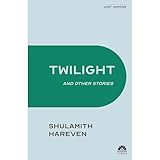
- Audible Audiobook
- Shulamith Hareven (Author) - Virtual Voice (Narrator)
- English (Publication Language)
- 12/07/2023 (Publication Date)
4. Engage with Narrative Ambiguity:
- Action: Embrace the open-ended nature of many of Hareven’s narratives.
- What to Look For: Observe instances where Hareven deliberately leaves interpretations open, inviting the reader to infer character motivations, fill narrative gaps, or draw their own conclusions about outcomes.
- Mistake: Seeking definitive answers or clear-cut moral pronouncements from the stories, which are designed to provoke thought rather than provide closure.
5. Consider the Societal and Cultural Context:
- Action: Reflect on the broader social and historical environment that subtly informs the personal dramas presented.
- What to Look For: Notice how elements of Israeli society, its history, and its cultural nuances subtly shape the characters’ lives and choices, even when these influences are not explicitly stated.
- Mistake: Reading the stories as universally abstract tales without acknowledging their specific cultural origins, which can significantly enrich the understanding of character motivations and thematic concerns.
6. Appreciate the Prose’s Economy and Precision:
- Action: Recognize and value the conciseness and deliberate precision of Hareven’s language.
- What to Look For: Observe how seemingly simple sentences or understated descriptions carry significant emotional weight or reveal subtle aspects of character depth and internal states.
- Mistake: Dismissing the prose as sparse or lacking detail without appreciating the intentional artistry in its economy and its power to evoke mood and psychological nuance.
Twilight And Other Stories by Shulamith Hareven: A Deeper Look
Shulamith Hareven’s collection, Twilight And Other Stories, stands as a significant contribution to contemporary short fiction, showcasing her mastery in capturing the subtle, often unsettling, dimensions of human experience. The narratives are not propelled by external conflict but by internal shifts and the quiet tensions that define relationships and individual psyches. Hareven excels at portraying moments of profound realization or understated despair, often found within the fabric of ordinary daily life. The collection’s primary strength lies in its evocative atmosphere and its capacity to foster empathy through meticulously drawn character portrayals.
One of the defining strengths of Twilight And Other Stories is its profound exploration of the unspoken. Hareven’s characters frequently communicate more through their silences, hesitations, and averted gazes than through explicit dialogue. In stories such as “The Passover,” the palpable weight of familial expectation and the quiet desperation of individuals navigating societal roles are rendered with striking clarity. The narrative refrains from overt judgment, presenting situations with a measured, dispassionate lens that compels the reader to form their own interpretations of characters’ choices and their repercussions. This approach demands active engagement and thoughtful consideration.
However, this very understated and nuanced approach can present a challenge for readers accustomed to more direct narrative styles. Those who prefer explicit emotional arcs or straightforward plot resolutions may find the collection’s subtlety a barrier to immediate connection. The stories often conclude not with dramatic finality but with a lingering question or a quiet shift in perspective, which can feel unresolved if one is seeking definitive closure. The enduring power of the collection resides in its resonance—the way it prompts reflection and stays with the reader long after the final page is turned.
BLOCKQUOTE_0
Common Myths About Twilight And Other Stories
- Myth 1: The stories are uniformly bleak and devoid of hope.
- Why it Matters: This perception can unnecessarily deter readers who might otherwise appreciate the collection’s nuanced portrayal of human resilience and moments of quiet connection amidst difficulty.
- Correction: While the stories often confront challenging themes and emotional complexities, they also contain profound observations, subtle instances of dark humor, and understated human bonds. The overall tone is more introspective and atmospheric than purely despondent.
- Myth 2: A deep understanding of Israeli history is a prerequisite for appreciating the collection.
- Why it Matters: This can create an unnecessary barrier to entry for a broader audience, suggesting the stories are exclusively tied to a specific cultural context.
- Correction: While the stories are situated within an Israeli setting, their core themes—family dynamics, identity, interpersonal relationships, and the search for meaning—possess universal relevance. The cultural backdrop enriches the narrative but is not essential for initial comprehension.
Expert Tips for Reading Shulamith Hareven’s Collection
- Tip 1: Cultivate Patience for Atmosphere and Subtlety.
- Actionable Step: Allocate dedicated, uninterrupted reading time for each story, allowing yourself to fully immerse in the mood and psychological landscape Hareven meticulously constructs.
- Common Mistake to Avoid: Attempting to skim descriptive passages or dialogue, which are crucial for building the story’s emotional texture and character interiority.
- Tip 2: Prioritize the Analysis of Subtext.
- Actionable Step: Pay close attention to what is not explicitly stated. Analyze silences, hesitations, body language (as described), and unspoken assumptions within the dialogue and narrative.
- Common Mistake to Avoid: Over-reliance on explicit dialogue for understanding character motivations; the most significant meanings often reside in the unsaid.
- Tip 3: Embrace and Explore Ambiguous Endings.
- Actionable Step: Resist the urge to seek definitive answers or neat resolutions at the conclusion of each story. Instead, view these open endings as invitations for continued contemplation and personal interpretation.
- Common Mistake to Avoid: Experiencing frustration with ambiguous conclusions; reframe them as opportunities to engage more deeply with the story’s themes and characters’ psychological states.
Literary Comparison: Thematic Resonance
| Collection Title | Author | Primary Themes | Narrative Style | Best For |
|---|---|---|---|---|
| Twilight And Other Stories | Shulamith Hareven | Identity, memory, domestic tension, societal undercurrents | Understated, psychological, atmospheric | Readers valuing introspection and nuanced character studies. |
| The Country of the Pointed Firs | Sarah Orne Jewett | Rural life, female community, memory, isolation | Evocative, observational, character-driven | Readers interested in American regionalism and subtle character portraits. |
| A Manual for Cleaning Women | Lucia Berlin | Working-class life, resilience, dark humor, survival | Raw, episodic, conversational | Readers who appreciate unflinching realism and a powerful, distinctive voice. |
Decision Rules
- If reliability is your top priority for Twilight And Other Stories by Shulamith Hareven, choose the option with