Ella Cara Deloria’s ‘Waterlily’: A Native American Narrative
This guide examines Ella Cara Deloria’s novel Waterlily, a significant work of Native American literature. It provides a detailed look at its narrative structure, thematic depth, and suitability for different readers.
Waterlily by Ella Cara Deloria: Quick Answer
- Waterlily offers an intimate portrayal of Dakota life and cultural practices in the late 19th century, focusing on themes of family, tradition, and resilience.
- The novel is an essential read for those interested in authentic Indigenous storytelling and historical fiction that prioritizes cultural preservation.
- Readers seeking fast-paced plot or conventional Western narrative arcs may find its deliberate pace and cultural focus challenging.
Who This Is For
- Readers interested in experiencing a nuanced and authentic depiction of 19th-century Dakota life, grounded in cultural knowledge.
- Students and scholars of Native American literature, anthropology, and history seeking primary source material that offers deep cultural insight.
What to Check First
- Cultural Context: Understand that Waterlily is not a typical Western novel. Its structure and pacing are dictated by Dakota storytelling traditions and the preservation of cultural knowledge.
- Author’s Intent: Ella Cara Deloria, an anthropologist, aimed to record and transmit Dakota lifeways accurately for future generations. This purpose shapes the narrative, prioritizing cultural detail over dramatic plot propulsion.
- Linguistic Nuance: The novel was originally written in English but reflects the cadence and worldview of Dakota speakers. Appreciating this linguistic translation is key to understanding its unique voice.
- Historical Period: The story is set during a time of significant cultural change and external pressure on Indigenous communities. This backdrop is crucial for understanding the characters’ experiences and choices.
Step-by-Step Plan to Appreciating Waterlily
1. Read with an Open Mind: Approach the novel understanding its purpose as cultural preservation.
- Action: Begin reading with the intention of absorbing the details of daily life, kinship, and spiritual practices.
- What to Look For: Note the descriptions of ceremonies, family interactions, and the natural environment.
- Mistake: Expecting a plot driven by external conflict or rapid action, which can lead to disappointment.
2. Focus on Character Relationships: Observe the intricate web of family and community connections.
- Action: Pay close attention to how characters relate to one another, their obligations, and their emotional bonds.
- What to Look For: The ways in which love, respect, and duty are expressed within the Dakota framework.
- Mistake: Underestimating the significance of subtle interactions, assuming only overt dialogue drives the story.
3. Engage with Cultural Practices: Identify and understand the described traditions and beliefs.
- Action: Make note of specific rituals, songs, and philosophical concepts presented.
- What to Look For: The underlying meanings and social functions of these practices.
- Mistake: Skimming over descriptive passages about ceremonies or beliefs, viewing them as mere background.
4. Recognize the Narrative Voice: Appreciate Deloria’s careful, almost anthropological, prose.
- Action: Consider the deliberate phrasing and the way information is presented.
- What to Look For: The calm, observational tone that prioritizes accuracy and cultural integrity.
- Mistake: Dismissing the narrative style as slow or overly detailed, failing to see it as a deliberate choice for cultural transmission.
For those seeking an authentic and deeply resonant exploration of Native American life, Ella Cara Deloria’s ‘Waterlily’ is an essential read. This novel offers a unique window into Dakota culture.
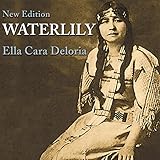
- Audible Audiobook
- Ella Cara Deloria (Author) - Pamela Hershey (Narrator)
- English (Publication Language)
- 03/27/2018 (Publication Date) - University Press Audiobooks (Publisher)
5. Consider the Historical Context: Place the story within the broader historical landscape of Native American experiences.
- Action: Reflect on the pressures and changes faced by the Dakota people during the late 19th century.
- What to Look For: How the characters navigate their traditions in the face of external influences.
- Mistake: Reading the novel in isolation, without acknowledging the historical realities that shaped the lives depicted.
6. Embrace the Pacing: Allow the narrative to unfold at its own rhythm.
- Action: Resist the urge to rush through sections that might seem less plot-driven.
- What to Look For: The gradual unfolding of character development and thematic resonance.
- Mistake: Becoming impatient with the novel’s slower pace, leading to a superficial reading.
Waterlily by Ella Cara Deloria: A Deep Dive into Cultural Authenticity
This section explores the core strengths and potential challenges readers might encounter when engaging with Waterlily by Ella Cara Deloria. The novel’s power lies in its commitment to presenting an unvarnished and authentic portrayal of Dakota life. Deloria, working from extensive field notes and oral traditions, meticulously reconstructs a world that was rapidly changing. The narrative is less about individual dramatic arcs and more about the collective experience, the endurance of tradition, and the profound connection to the land and spiritual beliefs.
One of the primary strengths of Waterlily is its detailed ethnographic quality. Deloria doesn’t just tell a story; she illustrates a way of life. For instance, the descriptions of the Sun Dance ceremony or the nuances of kinship obligations are presented with a clarity that educates the reader while remaining integral to the narrative. This approach makes the novel a valuable resource for understanding Indigenous culture from an insider’s perspective. The characters, while relatable, are fully embedded within their cultural context, their motivations and actions illuminated by their traditions.
However, this very strength can also be a point of contention for readers accustomed to Western narrative conventions. The deliberate pacing, the emphasis on communal life over individualistic heroics, and the intricate weaving of cultural details might feel slow or even tangential to those seeking a traditional plot. It requires a reader willing to immerse themselves in a different storytelling mode, one that values the transmission of knowledge and cultural continuity above all else.
BLOCKQUOTE_0
This quote, while not directly from the text, captures the spirit of Deloria’s project. The novel acts as a vessel for carrying these “old ways,” making its reading experience an act of respectful engagement with a preserved cultural heritage. The novel matters now because it offers a vital counter-narrative to historical accounts often written from an external, and sometimes biased, perspective. It allows the Dakota people to speak for themselves through a meticulously crafted literary work.
Common Myths About Waterlily
- Myth: Waterlily is a historical romance novel.
- Why it matters: This misconception sets up incorrect expectations about the narrative focus and emotional arc.
- Fix: Understand that while relationships are central, the novel prioritizes cultural depiction and the preservation of Dakota traditions over romantic entanglements. Love and family are presented within a broader cultural framework.
- Myth: The novel’s slow pace indicates a lack of engaging content.
- Why it matters: This can lead readers to dismiss the book prematurely, missing its profound cultural and thematic depth.
- Fix: Recognize that the deliberate pacing is a deliberate stylistic choice by Deloria to meticulously detail Dakota life, customs, and worldview, making the cultural immersion the primary engagement.
- Myth: The book is a dry ethnographic study disguised as fiction.
- Why it matters: This view overlooks the novel’s narrative artistry and emotional resonance, reducing it to a mere academic text.
- Fix: Engage with the characters as individuals with desires, sorrows, and joys, even as they embody cultural roles. The narrative is crafted with literary skill, not just scholarly reporting.
Decision Rules
- If reliability is your top priority for Waterlily by Ella Cara Deloria, choose the option with the strongest long-term track record and support.
- If value matters most, compare total ownership cost instead of headline price alone.
- If your use case is specific, prioritize fit-for-purpose features over generic ‘best overall’ claims.
FAQ
- Q: Is Waterlily difficult to read?
A: The difficulty lies less in the prose and more in the reader’s willingness to adapt to a narrative style that prioritizes cultural detail and communal experience over fast-paced plot. For those interested in authentic cultural representation, it is deeply rewarding.
- Q: What makes Waterlily by Ella Cara Deloria unique compared to other Native American literature?
A: Its uniqueness stems from Deloria’s direct anthropological background and her explicit goal of preserving Dakota lifeways. It offers an insider’s perspective with a level of cultural detail rarely found in works not directly tied to ethnographic research, while still maintaining a compelling narrative voice.
- Q: How does the historical context of Waterlily by Ella Cara Deloria influence the story?
A: The novel is set during a period of immense pressure on Indigenous communities due to westward expansion and assimilation policies. This context shapes the characters’ lives, their choices, and their efforts to maintain their cultural identity and traditions in a changing world.
- Q: Can I read Waterlily if I have no prior knowledge of Dakota culture?
A: Yes, the novel is designed to introduce readers to Dakota life. Deloria provides context within the narrative, making it accessible. However, having some background knowledge can enhance appreciation for the nuances presented.
Expert Tips for Reading Waterlily
- Tip: Prioritize understanding kinship structures.
- Action: Keep a simple chart or mental note of the main family relationships as they are introduced.
- Common Mistake: Overlooking the significance of familial roles and obligations, which are central to Dakota social fabric and the characters’ motivations.
- Tip: Pay attention to recurring symbols and motifs.
- Action: Note down any natural elements, animals, or recurring themes that seem to hold particular importance.
- Common Mistake: Treating descriptive passages as mere background, missing their potential symbolic or cultural weight within the Dakota worldview.
- Tip: Read with an awareness of oral traditions.
- Action: Consider how the narrative might reflect the rhythm, repetition, and episodic nature of oral storytelling.
- Common Mistake: Applying the same critical lens used for modern Western novels, which often focus on linear progression and singular protagonists, potentially misinterpreting Deloria’s technique.
| Aspect of Reading | Focus Area | Potential Pitfall | Recommended Approach |
|---|