Ottessa Moshfegh’s Lapvona: A Review and Analysis
Lapvona by Ottessa Moshfegh: Quick Answer
- Lapvona by Ottessa Moshfegh is a dark, medieval-inspired novel exploring themes of faith, class, and human cruelty. It offers a visceral, often disturbing, reading experience.
- Readers seeking Moshfegh’s signature bleakness and psychological depth will find it here, though its extreme nature may alienate some.
- This book is best suited for those who appreciate challenging narratives and are prepared for graphic content.
Who This Is For
- Established fans of Ottessa Moshfegh looking for her characteristic exploration of the grotesque and the morally compromised.
- Readers interested in historical fiction that deliberately subverts traditional genre expectations, focusing on the psychological and societal decay rather than romanticized pasts.
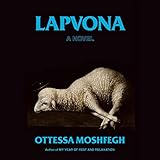
- Audible Audiobook
- Ottessa Moshfegh (Author) - Ottessa Moshfegh (Narrator)
- English (Publication Language)
- 06/21/2022 (Publication Date) - Penguin Audio (Publisher)
What to Check First
- Author’s Previous Work: If you enjoyed Moshfegh’s previous novels like My Year of Rest and Relaxation or Eileen, you will likely find Lapvona aligns with her established stylistic and thematic concerns.
- Tolerance for Graphic Content: Lapvona contains explicit descriptions of violence, bodily fluids, and psychological torment. Assess your comfort level with such material.
- Patience for Pacing: The novel’s atmosphere is built slowly, with a deliberate focus on the grim realities of its setting. It does not rely on rapid plot progression.
- Interest in Medieval Settings: While not a historical document, the novel uses a medieval backdrop to amplify its themes of superstition, poverty, and the arbitrary nature of power.
Step-by-Step Plan: Navigating Lapvona by Ottessa Moshfegh
This plan outlines key elements to consider when approaching and analyzing Lapvona by Ottessa Moshfegh.
1. Engage with the Setting: Observe the desolate medieval village of Lapvona.
- What to look for: The palpable sense of poverty, superstition, and the oppressive weight of the natural world. Moshfegh details the mud, the stench, and the constant struggle for survival.
- Mistake: Underestimating the setting’s role as a character; it’s not just a backdrop but a force shaping the inhabitants’ actions and beliefs.
2. Analyze the Characters’ Motivations: Examine the actions of characters like Marek, the village priest, and the lord.
- What to look for: The deep-seated desires, fears, and moral compromises that drive their behavior. Characters are often propelled by base instincts and warped faith.
- Mistake: Expecting conventional morality or relatable protagonists; Moshfegh’s characters are often monstrous or pathetic, driven by forces beyond simple good and evil.
3. Deconstruct Themes of Faith and Superstition: Pay attention to how religious belief and folk magic intertwine.
- What to look for: The perversion of faith into a tool of control and the reliance on superstition to explain the inexplicable. The novel questions the very nature of divine intervention.
- Mistake: Interpreting the religious elements literally; they function more as a lens through which to view human desperation and delusion.
4. Evaluate the Narrative Voice: Consider Moshfegh’s distinctive prose style.
- What to look for: The detached, often darkly humorous, yet unflinching narration that describes horrific events with a chilling neutrality.
- Mistake: Being put off by the bleakness or the lack of overt authorial judgment; the power lies in the objective presentation of depravity.
5. Identify Instances of Cruelty and Violence: Note the pervasive nature of suffering within the narrative.
- What to look for: The casual brutality, the systemic oppression, and the psychological violence inflicted by individuals and the community.
- Mistake: Treating the violence as gratuitous; it serves to underscore the novel’s commentary on the inherent darkness within human nature and society.
6. Assess the Novel’s Impact: Reflect on the lasting impression the story leaves.
- What to look for: The lingering sense of unease, the questions about humanity’s capacity for evil, and the stark portrayal of a world devoid of comfort or redemption.
- Mistake: Seeking catharsis or a sense of resolution; Lapvona is designed to provoke rather than to comfort.
Comparison Framework: Ottessa Moshfegh’s Literary Landscape
When evaluating Lapvona by Ottessa Moshfegh, it’s useful to compare its distinct elements against other works, both by Moshfegh and within the broader literary landscape. This framework helps to contextualize its unique offerings and potential drawbacks.
| Feature | Lapvona by Ottessa Moshfegh | My Year of Rest and Relaxation | Eileen |
|---|---|---|---|
| Setting | Medieval village, harsh and superstitious | Contemporary New York City, sterile and isolating | 1960s suburban New England, drab and suffocating |
| Protagonist | Multiple, often morally ambiguous or depraved | A young woman seeking escape through sleep and drugs | A young woman complicit in her own despair and a crime |
| Tone | Visceral, bleak, darkly satirical, medieval gothic | Detached, deadpan, existential dread | Claustrophobic, anxious, darkly comic |
| Key Themes | Faith, class struggle, human cruelty, ritual, societal decay | Alienation, escapism, critique of beauty standards, apathy | Loneliness, societal pressure, repressed desires, moral compromise |
| Reader Takeaway | Provocation, discomfort, exploration of humanity’s dark side | Reflection on modern ennui, critique of self-improvement culture | Unease, examination of psychological entrapment, unsettling conclusion |
Best-Fit Picks by Use Case
- For the Moshfegh Devotee: If you have followed Ottessa Moshfegh’s career and appreciate her unflinching gaze into the abyss, Lapvona is an essential, albeit challenging, addition to her oeuvre. Its thematic continuity and stylistic signature will resonate strongly.
- For the Discomfort Seeker: Readers who enjoy narratives that push boundaries, confront the darker aspects of human nature, and leave a lasting, unsettling impression will find Lapvona a compelling, if grim, experience. It’s a book designed to provoke thought through visceral means.
- For the Literary Explorer: If you are interested in novels that subvert genre expectations and use historical settings to explore timeless themes of power, faith, and human fallibility, Lapvona offers a unique and often disturbing perspective.
Common Mistakes
- Mistake: Expecting a straightforward historical narrative.
- Why it matters: Lapvona uses its medieval setting as a canvas for psychological and societal critique, not as a vehicle for historical accuracy.
- Fix: Approach the novel as a fable or allegory, where the historical elements serve the thematic concerns.
- Mistake: Seeking moral clarity or likable characters.
- Why it matters: Moshfegh deliberately populates her world with characters driven by base instincts and flawed beliefs.
- Fix: Engage with the characters as studies in human depravity and desperation, rather than looking for relatable heroes.
- Mistake: Being deterred by the graphic descriptions.
- Why it matters: The visceral content is integral to the novel’s atmosphere and its exploration of suffering.
- Fix: Brace yourself for the explicit nature of the prose; it’s a deliberate choice to immerse the reader in the grim reality of Lapvona.
- Mistake: Underestimating the role of superstition and distorted faith.
- Why it matters: These elements are central to the characters’ worldview and the novel’s commentary on how belief systems can be manipulated.
- Fix: Analyze how faith and superstition are weaponized and how they fail to provide genuine solace or order.
- Mistake: Looking for a traditional plot arc with clear resolution.
- Why it matters: The novel’s impact comes from its atmosphere and thematic resonance, not from a tightly wound plot.
- Fix: Focus on the immersive experience and the lingering questions the novel leaves behind, rather than seeking narrative closure.
Decision Rules
- If reliability is your top priority for Lapvona by Ottessa Moshfegh, choose the option with the strongest long-term track record and support.
- If value matters most, compare total ownership cost instead of headline price alone.
- If your use case is specific, prioritize fit-for-purpose features over generic ‘best overall’ claims.
FAQ
- Q: Is Lapvona a difficult book to read?
A: Yes, Lapvona is considered a difficult read due to its bleak themes, graphic violence, and often disturbing subject matter. It is not for the faint of heart.
- Q: How does Lapvona compare to Ottessa Moshfegh’s other novels?
A: Lapvona shares Moshfegh’s signature dark humor, psychological depth, and exploration of the grotesque. It is arguably more overtly grim and medieval in its setting and tone than My Year of Rest and Relaxation or Eileen.
- Q: What are the main themes explored in Lapvona?
A: The novel delves into themes of faith, superstition, class struggle, human cruelty, societal decay, and the corrupting nature of power within a medieval context.
- Q: Should I read Lapvona if I’m sensitive to violence or disturbing content?
A: If you are sensitive to graphic violence, gore, and psychological torment, it is advisable to proceed with caution or perhaps skip this particular novel. The content is explicit and pervasive.