Leïla Slimani’s The Perfect Nanny: A Chilling Psychological Thriller
Leïla Slimani’s The Perfect Nanny is a stark, unflinching examination of the dark currents that can lie beneath the surface of domestic tranquility. It’s a novel that grips the reader not through suspenseful plotting, but through its precise, almost clinical dissection of psychological breakdown and societal anxieties. This guide offers a structured approach to understanding its impact and appreciating its literary merit.
Quick Answer
- The Perfect Nanny by Leïla Slimani is a psychologically intense novel that begins with its tragic conclusion, meticulously unraveling the events leading to it.
- Its primary strength lies in its chillingly precise prose and its unflinching examination of class dynamics, parental anxieties, and the fragility of the human psyche.
- This book is for readers seeking a literary thriller that prioritizes atmosphere, character study, and social commentary over conventional suspense.
Who This Is For
- Readers who appreciate literary fiction that delves into the darker aspects of human psychology and societal structures.
- Individuals interested in narratives that explore the complex, often fraught, relationships within domestic spaces and the pressures of modern parenthood.
Leïla Slimani’s The Perfect Nanny is a critically acclaimed novel that delves into the dark side of domestic life. If you’re looking for a thought-provoking read, this Prix Goncourt winner is an excellent choice.
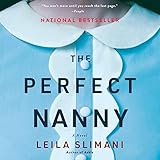
- Audible Audiobook
- Leila Slimani (Author) - Finty Williams (Narrator)
- English (Publication Language)
- 03/19/2019 (Publication Date) - Penguin Audio (Publisher)
What to Check First
Before immersing yourself in The Perfect Nanny, consider these critical elements:
- Narrative Structure: The novel opens with the violent climax. Understanding this non-linear approach is key to appreciating the author’s focus on the “how” and “why” rather than a traditional “whodunit.”
- Psychological Focus: Be prepared for an intense psychological exploration. Slimani’s prose is clinical and dispassionate, which heightens the unsettling nature of Louise’s deteriorating mental state.
- Thematic Undercurrents: The book is rich with themes of class, race, maternal guilt, and the precarious nature of domestic employment. Recognizing these layers will deepen your understanding of the characters’ motivations and the societal context.
- Author’s Intent: Leïla Slimani has stated her aim was to explore the “fragile relationship between families and the people they hire,” capturing a specific societal anxiety. This context helps frame the narrative’s purpose.
Step-by-Step Plan: Analyzing The Perfect Nanny by Leïla Slimani
To fully engage with the unsettling power of The Perfect Nanny, consider this analytical approach:
1. Process the Opening Scene: Observe the immediate, graphic depiction of the tragedy. What to look for: The stark, almost procedural description of violence. Mistake: Expecting the narrative to build towards this event; the shock value is intentional and serves as the story’s foundation.
2. Track the Gradual Erosion of Trust: Follow the subtle shifts in the dynamic between Myriam and Louise. What to look for: The slow increase in Louise’s dependence and Myriam’s growing unease, often dismissed. Mistake: Underestimating the significance of seemingly minor domestic incidents or perceived slights.
3. Map Louise’s Internal Deterioration: Focus on Louise’s isolation and her increasingly fractured perspective. What to look for: Textual evidence of her loneliness, paranoia, and the specific triggers for her actions. Mistake: Categorizing Louise solely as a villain; the narrative aims for a complex portrayal of psychological breakdown.
4. Evaluate Myriam’s Role: Understand Myriam’s motivations, ambitions, and her complicity in the situation. What to look for: Myriam’s justifications for overlooking Louise’s behavior and her own career aspirations. Mistake: Assigning sole blame to Myriam; the novel suggests a shared responsibility within the dysfunctional domestic arrangement.
5. Deconstruct the Social Commentary: Pay close attention to the unspoken tensions related to class, race, and cultural background. What to look for: The implicit assumptions and prejudices that shape the characters’ interactions and perceptions. Mistake: Reading the novel as purely a domestic drama, missing its broader critique of societal structures.
6. Appreciate the Pacing and Atmosphere: Note how Slimani uses deliberate pacing and atmospheric detail to build dread. What to look for: The contrast between mundane domestic routines and the rising psychological tension. Mistake: Growing impatient with the “slow burn”; the escalating unease is the central narrative engine.
7. Contemplate the Aftermath: Reflect on the ambiguous conclusion and its implications. What to look for: The lingering questions about responsibility and the societal factors that contributed to the tragedy. Mistake: Seeking a neat, cathartic resolution; the novel offers a disquieting ambiguity that reflects the complexities of the themes.
Common Mistakes
- Mistake: Approaching The Perfect Nanny as a traditional mystery or suspense novel.
- Why it matters: The novel’s power derives from its psychological realism and inevitable dread, not from plot twists or a “whodunit” structure. This expectation can lead to disappointment.
- Fix: Engage with the book as a character study and a social critique that builds tension through atmosphere and internal conflict, knowing the outcome from the outset.
- Mistake: Viewing Louise as a one-dimensional antagonist.
- Why it matters: Slimani meticulously builds Louise’s internal world, suggesting a complex interplay of loneliness, desperation, and deteriorating mental health. Reducing her to pure evil misses the novel’s nuanced exploration of psychological breakdown.
- Fix: Actively seek out textual evidence that illustrates Louise’s internal struggles and the societal or personal factors contributing to her state.
- Mistake: Underestimating the significance of class and race dynamics.
- Why it matters: These elements are integral to the narrative, influencing characters’ perceptions, behaviors, and the underlying power structures within the Parisian setting. Ignoring them leads to a superficial reading.
- Fix: Pay close attention to how characters interact based on their social standing and background, and how these dynamics create unspoken tensions and shape relationships.
- Mistake: Focusing solely on the climactic event rather than the psychological progression.
- Why it matters: The novel’s impact is cumulative, built upon the slow, deliberate unfolding of events and the psychological deterioration that leads to the tragedy.
- Fix: Immerse yourself in the narrative’s progression, noting the gradual shifts in relationships and the mounting unease, rather than solely anticipating the final act.
The Perfect Nanny by Leïla Slimani: A Literary Examination
Leïla Slimani’s The Perfect Nanny (original French title: Chanson douce) presents a chilling and meticulously crafted exploration of domesticity, class, and the insidious erosion of psychological stability. Winner of the prestigious Prix Goncourt in 2016, the novel immediately signals its intent with a startlingly direct opening: the violent aftermath of a tragedy. This structural choice is crucial, shifting the reader’s focus from suspense to a forensic examination of the events and psychological states that led to the catastrophe.
Slimani’s prose is exceptionally precise, cool, and devoid of sentimentality. This dispassionate tone amplifies the horror, creating a palpable sense of unease as the narrative unfolds the story of Myriam, a Parisian mother who, seeking to re-enter her career, hires Louise as a full-time nanny. Louise initially appears to be the ideal caregiver, seamlessly integrating into the family’s life and becoming indispensable. However, beneath this veneer of perfection, a disturbing dependency and profound mental instability begin to manifest. The novel excels at depicting the gradual escalation of these tensions, showing how mundane domestic life can become a breeding ground for psychological distress.
The core strength of The Perfect Nanny lies in its unflinching portrayal of the complex, often fraught, relationship between employers and domestic staff. Slimani probes the unspoken power dynamics, the inherent class distinctions, and the potential for resentment and desperation to fester within these intimate arrangements. Myriam, caught between her professional ambitions and her maternal anxieties, frequently overlooks or rationalizes Louise’s increasingly erratic behavior. This narrative thread serves as a potent cautionary tale about the blind spots and assumptions that can exist within seemingly comfortable bourgeois environments.
Thematic Resonance in The Perfect Nanny
Thematic depth is a hallmark of Slimani’s writing, and The Perfect Nanny offers a broad range of social commentary. The novel dissects the pressures placed upon contemporary mothers, the societal expectations surrounding childcare, and the often-invisible labor involved. It also subtly addresses issues of immigration and class, highlighting the implicit prejudices and power imbalances that characterize Parisian society. Louise’s profound isolation and her desperate need for belonging are rendered with a disquieting authenticity, prompting reflection on the societal structures that can contribute to such deep loneliness and mental fragmentation.
BLOCKQUOTE_0
This sentiment, though not a direct quote, captures the grim fatalism that permeates Slimani’s work. The novel suggests that a convergence of circumstances, psychological predispositions, and societal pressures can lead even seemingly ordinary individuals to commit unimaginable acts.
Failure Mode Detection: The Illusion of Control
A common failure mode for readers engaging with The Perfect Nanny by Leïla Slimani is the assumption of control. Myriam, the mother, believes she is meticulously managing her family’s life by hiring a competent nanny and resuming her career. This belief in her own agency, however, blinds her to the subtle but critical signs of Louise’s unraveling.
- Detection: Look for instances where Myriam dismisses her own or others’ concerns about Louise’s behavior, rationalizing it as stress or overwork. Pay attention to how Myriam prioritizes her professional life and social standing, potentially at the expense of fully attending to her children’s needs and the nanny’s well-being.
- Correction: Recognize that the novel critiques the illusion of control prevalent in modern, high-achieving households. Instead of seeking to manage every detail, consider the value of genuine emotional attunement and the recognition of one’s own limitations in overseeing complex human relationships. The narrative demonstrates that true safety is not achieved through meticulous management, but through awareness and empathy.
Quick Comparison
| Option | Best for | Pros | Watch out |
|---|---|---|---|
| Quick Answer | General use | The Perfect Nanny by Leïla Slimani is a psychologically intense novel that… | Mistake: Approaching The Perfect Nanny as a traditional mystery or suspense… |
| Who This Is For | General use | Its primary strength lies in its chillingly precise prose and its unflinching… | Why it matters: The novel’s power derives from its psychological realism and… |
| What to Check First | General use | This book is for readers seeking a literary thriller that prioritizes atmosph… | Fix: Engage with the book as a character study and a social critique that bui… |
| Step-by-Step Plan Analyzing The Perfect Nanny by Leïla Slimani | General use | Readers who appreciate literary fiction that delves into the darker aspects o… | Mistake: Viewing Louise as a one-dimensional antagonist. |
Decision Rules
- If reliability is your top priority for The Perfect Nanny by Leïla Slimani, choose the option with the strongest long-term track record and support.
- If value matters most, compare total ownership cost instead of headline price alone.
- If your use case is specific, prioritize fit-for-purpose features over generic ‘best overall’ claims.
FAQ
- Q: Is The Perfect Nanny based on a true story?
- A: