Joanne Harris’ Chocolat: A Sweet Escape
Chocolat by Joanne Harris: Quick Answer
- Chocolat by Joanne Harris provides a sensory-rich narrative about community, tradition, and the transformative power of pleasure in a small French village.
- This novel is well-suited for readers who appreciate character-driven stories, atmospheric settings, and thematic depth concerning social dynamics and personal freedom.
- Readers expecting fast-paced plots or overt supernatural elements might find the book’s deliberate pacing and understated allegorical style less engaging.
Who This Is For
- Readers who value literary fiction where food and sensory details are fundamental to character development and thematic exploration.
- Individuals interested in narratives that explore the impact of an outsider on a closed-off community, focusing on themes of conformity, repression, and eventual liberation.
What to Check First
- Thematic Alignment: Assess your interest in narratives that explore the conflict between rigid tradition and liberating pleasure, and how external influences can challenge established social norms. Chocolat by Joanne Harris is deeply invested in these conflicts.
- Pacing Preference: The novel unfolds at a measured pace, emphasizing atmosphere, character introspection, and the gradual evolution of social dynamics. If rapid plot progression is your preference, anticipate a more contemplative reading experience.
- Appreciation for Subtle Allegory: The novel uses understated, almost fable-like elements, particularly regarding the perceived effects of Vianne’s confections. Consider your comfort with narratives where the fantastical is subtle and symbolic.
- Character Study Appeal: The novel’s primary strength lies in its detailed examination of individual characters and their responses to change and temptation. If you are drawn to nuanced character portraits, this book is likely to resonate.
Step-by-Step Plan for Appreciating Chocolat by Joanne Harris
1. Engage with Sensory Descriptions: Immerse yourself in Joanne Harris’s detailed and evocative portrayal of chocolate, its creation, and its purported effects on the villagers.
- Action: Note the specific language used to describe taste, texture, and aroma. Observe how these descriptions are directly tied to character emotions and the unfolding social interactions.
- Mistake: Overlooking these descriptive passages, treating them as mere embellishment rather than crucial elements that build atmosphere and convey thematic weight.
2. Analyze Vianne’s Disruptive Influence: Track the initial impact of Vianne Rocher and her shop, “La Chocolaterie des Plaisirs Solitaires,” on the established routines and social hierarchy of Lansquenet-sous-Clés.
- Action: Observe the varied reactions of the villagers, particularly the more conservative and religiously devout. Note the contrast between Vianne’s open demeanor and the town’s ingrained, often restrictive, habits.
- Mistake: Perceiving Vianne solely as a shopkeeper, failing to recognize her role as a catalyst for social and personal transformation, and underestimating her challenge to the town’s ingrained repression.
3. Observe the Psychological Impact of Chocolate: Monitor how the specific chocolates Vianne prepares influence individual villagers, unlocking hidden desires and easing tensions.
- Action: Look for subtle shifts in behavior, the surfacing of suppressed emotions, and confessions that arise after consuming specific confections. For instance, consider the effect of the “Nuit Amère” chocolate on Madame Audel.
- Mistake: Interpreting the effects of the chocolate as mere coincidence or random occurrences, rather than as symbolic representations of psychological liberation and self-discovery.
4. Examine the Conflict with the Comte de Reynaud: Understand the motivations behind the Comte’s staunch opposition to Vianne and his efforts to maintain control over the village.
- Action: Analyze the Comte’s rigid adherence to tradition, his fear of pleasure, and his use of religious doctrine to enforce his views. Contrast his pronouncements with Vianne’s actions and their positive outcomes.
- Mistake: Underestimating the Comte’s role as the embodiment of the town’s collective repression, or viewing him as a simplistic antagonist without acknowledging the societal forces and historical context he represents.
5. Integrate Anouk’s Perspective: Consider the narrative observations of Vianne’s daughter, Anouk, and her cat, Pantoufle, as they offer a unique lens on the unfolding events.
- Action: Pay attention to Anouk’s interpretations of her mother’s actions and the town’s dynamics, her developing understanding of the world, and the subtle magical realism perceived through a child’s perspective.
- Mistake: Focusing exclusively on the adult conflicts and overlooking the distinct insights and narrative contributions provided by the younger perspective, which often highlights the more whimsical and intuitive aspects of the story.
6. Identify the Resolution’s Significance: Assess how the central conflicts are resolved and what these resolutions signify for the community and its individual inhabitants.
- Action: Observe the evolution of the town’s social dynamics, the gradual acceptance of pleasure and individuality, and the lasting impact of Vianne’s presence and her creations.
- Mistake: Expecting a dramatic, external climax. The resolution in Chocolat by Joanne Harris is often internal and communal, reflecting gradual, nuanced change rather than sudden upheaval.
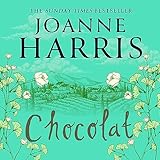
- Audible Audiobook
- Joanne Harris (Author) - Joanne Harris (Narrator)
- English (Publication Language)
- 03/29/2018 (Publication Date) - Orion Publishing Group (Publisher)
Common Mistakes
- Treating Chocolate as Mere Confectionery — Why it matters: In the novel, chocolate functions as a powerful metaphor for pleasure, temptation, and liberation. Dismissing its symbolic weight leads to a superficial understanding of the narrative’s core themes. — Fix: Actively analyze how different chocolates are described and the specific emotional or behavioral responses they elicit, linking these directly to character arcs and thematic development.
- Viewing the Comte de Reynaud as a Flat Antagonist — Why it matters: The Comte represents deeply ingrained societal forces of repression and fear of pleasure. Understanding his role as a product of his environment and the town’s history provides crucial context for Vianne’s struggle. — Fix: Analyze the Comte’s pronouncements and actions in relation to the town’s history and religious dogma, recognizing him as an embodiment of societal anxieties rather than a singular villain.
- Prioritizing Plot Over Atmosphere — Why it matters: Chocolat by Joanne Harris thrives on its rich, sensory atmosphere and character introspection. A purely plot-driven approach will miss much of the novel’s charm and thematic depth. — Fix: Allow yourself to be immersed in the descriptive language and character nuances. Appreciate the slower pace as a deliberate choice to build mood and allow for deeper engagement with the story’s themes.
- Overlooking Subtle Magical Realism — Why it matters: The almost uncanny power of Vianne’s chocolates and the unique perspectives of characters like Anouk hint at a reality slightly askew from the mundane. Recognizing these elements adds another layer to the reading experience and thematic interpretation. — Fix: Be open to interpretations where events and emotions are amplified or influenced by forces beyond the strictly rational, allowing for a richer appreciation of the novel’s allegorical nature.
Common Myths
- Myth: Chocolat by Joanne Harris is primarily a romance novel.
- Correction: While romantic relationships and attractions are present and contribute to character development, the novel’s central focus is on themes of community, tradition versus modernity, and personal liberation. The romantic elements serve the broader narrative of social change rather than being the primary driver.
- Myth: Vianne’s chocolates have literal magical powers.
- Correction: The “magic” of the chocolates is largely symbolic and psychological. They act as catalysts, unlocking suppressed emotions, desires, and confessions within the villagers, rather than possessing inherent supernatural properties. The power lies in their ability to break down psychological barriers.
Expert Tips
- Tip: Pay close attention to the names of the chocolates and their specific advertised effects.
- Actionable Step: Keep a running list of the chocolates mentioned, their ingredients (if specified), and the effects attributed to them by Vianne.
- Common Mistake to Avoid: Skipping over these details, assuming they are merely descriptive flourishes, and missing the symbolic connections Harris draws between specific flavors and psychological states.
- Tip: Analyze the evolving relationship between Vianne and the Comte de Reynaud as a microcosm of the town’s internal conflict.
- Actionable Step: Track their interactions, noting the underlying tensions and the gradual shifts in their respective positions and influence within Lansquenet-sous-Clés.
- Common Mistake to Avoid: Viewing their conflict as a simple good-versus-evil dynamic, rather than a clash between opposing philosophies of life and societal organization.
- Tip: Consider the role of food and sensory experience as a form of quiet rebellion against societal repression.
- Actionable Step: Note instances where communal meals, shared treats, or the simple act of enjoying food challenges the austerity or control imposed by figures like the Comte.
- Common Mistake to Avoid: Underestimating the subversive power of pleasure and sensory indulgence, seeing it as mere escapism rather than a force for personal and communal awakening.
Literary Context and Thematic Significance
Chocolat by Joanne Harris operates within a literary tradition that explores the profound connection between food, memory, emotion, and social ritual. While not a direct descendant, it echoes the sensibility found in authors who elevate culinary descriptions into narrative art, such as M.F.K. Fisher, who chronicled the intimate relationship between humans and their sustenance. Harris, however, infuses her work with a subtle, allegorical quality, transforming the simple act of selling chocolates into a narrative of liberation. The novel can be seen as a modern fable, where the introduction of an enticing pleasure challenges deeply entrenched societal norms and individual repressions within the seemingly idyllic setting of Lansquenet-sous-Clés.
The central thematic conflict in Chocolat by Joanne Harris is the enduring tension between tradition and liberation, personified by the austere Comte de Reynaud and the enigmatic Vianne Rocher. The Comte embodies a rigid, patriarchal, and religiously enforced order that prioritizes control and abstinence, viewing anything that awakens desire or individuality as a threat
Quick Comparison
| Option | Best for | Pros | Watch out |
|---|---|---|---|
| Chocolat by Joanne Harris Quick Answer | General use | Chocolat by Joanne Harris provides a sensory-rich narrative about community… | Mistake: Overlooking these descriptive passages, treating them as mere embell… |
| Who This Is For | General use | This novel is well-suited for readers who appreciate character-driven stories… | Mistake: Perceiving Vianne solely as a shopkeeper, failing to recognize her r… |
| What to Check First | General use | Readers expecting fast-paced plots or overt supernatural elements might find… | Mistake: Interpreting the effects of the chocolate as mere coincidence or ran… |
| Step-by-Step Plan for Appreciating Chocolat by Joanne Harris | General use | Readers who value literary fiction where food and sensory details are fundame… | Mistake: Underestimating the Comte’s role as the embodiment of the town’s col… |
Decision Rules
- If reliability is your top priority for Chocolat by Joanne Harris, choose the option with the strongest long-term track record and support.
- If value matters most, compare total ownership cost instead of headline price alone.
- If your use case is specific, prioritize fit-for-purpose features over generic ‘best overall’ claims.