Kate Quinn’s The Rose Code
Quick Answer
- The Rose Code by Kate Quinn is a historical fiction novel focusing on three women at Bletchley Park during World War II, who become entangled in a dangerous plot to expose a traitor.
- The novel blends espionage, intricate puzzles, and personal drama, highlighting the vital, often overlooked, roles women played in wartime intelligence.
- This book is recommended for readers who appreciate well-researched historical settings, complex female protagonists, and compelling mysteries.
Who This Is For
- This novel is suited for readers who enjoy historical fiction, particularly those interested in World War II and the significant contributions of codebreakers at Bletchley Park.
- It will appeal to audiences who prefer character-driven narratives that explore themes of friendship, resilience, and the societal pressures faced by women in extraordinary circumstances.
What to Check First
- Historical Context: Verify the novel’s grounding in the actual history of Bletchley Park and its codebreaking operations during WWII.
- Character Arcs: Assess the development and believability of the three central female characters and their individual journeys.
- Narrative Balance: Determine if the blend of espionage thriller elements and character-focused storytelling aligns with your reading preferences.
- Thematic Resonance: Consider how effectively the book explores its core themes, such as female bonds, the weight of secrets, and the impact of war on individuals.
Step-by-Step Plan for Understanding The Rose Code by Kate Quinn
1. Establish the Bletchley Park Setting.
- Action: Read the initial chapters and any author’s notes.
- What to look for: Details that define the historical context, the importance of codebreaking, and the atmosphere of Bletchley Park.
- Mistake to avoid: Assuming pre-existing knowledge of Bletchley Park’s operations; the novel provides necessary background.
2. Engage with the Protagonists: Osla, Mab, and Beth.
- Action: Observe their distinct backgrounds, motivations, and early interactions.
- What to look for: The formation of their individual personalities, their unique skills, and the foundation of their friendship.
- Mistake to avoid: Underestimating the interconnectedness of their personal journeys; their individual arcs are crucial to the plot.
3. Follow the Traitor Mystery.
- Action: Track the progression of clues and suspicions as they emerge.
- What to look for: The strategic placement of red herrings, subtle narrative hints, and the logical development of the investigation.
- Mistake to avoid: Over-focusing on the technical aspects of codebreaking; prioritize the human element driving the search for betrayal.
4. Analyze the Codebreaking Challenges.
- Action: Note the descriptions of the Enigma machine and the methods used to break its codes.
- What to look for: The ingenuity and persistence required by the codebreakers, and how these intellectual challenges affect the characters.
- Mistake to avoid: Expecting highly technical explanations of cryptographic processes; the narrative emphasizes their impact on the characters.
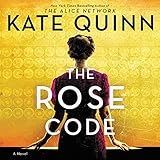
- Audible Audiobook
- Kate Quinn (Author) - Saskia Maarleveld (Narrator)
- English (Publication Language)
- 03/09/2021 (Publication Date) - William Morrow Paperbacks (Publisher)
5. Observe Relationship Dynamics.
- Action: Monitor their friendships, conflicts, and mutual support.
- What to look for: The strain that wartime experiences and secrets place on their bonds, and their ultimate reliance on one another.
- Mistake to avoid: Focusing exclusively on romantic subplots; the core strength of the narrative lies in their camaraderie.
6. Consider Post-War Repercussions.
- Action: Note how wartime experiences shape their lives after the conflict.
- What to look for: The lasting effects of secrecy, trauma, and personal sacrifices made during the war.
- Mistake to avoid: Assuming the story concludes entirely with the war’s end; the aftermath is integral to character development.
The Rose Code by Kate Quinn: A Common Reader Misstep
A frequent failure mode readers encounter with The Rose Code by Kate Quinn is an overemphasis on the intricate plot mechanics and historical detail, which can overshadow the story’s emotional core. This often stems from an expectation of a purely plot-driven thriller where the puzzle is the sole driver. However, Quinn’s narrative strength lies in her meticulous character development and her exploration of female relationships against the complex backdrop of war.
Detection: Readers experiencing this misstep might find themselves skimming descriptive passages, feeling a detachment from the characters’ personal lives, or struggling to connect the espionage elements to the characters’ motivations. If the emotional stakes feel distant or the characters’ actions appear driven solely by plot necessity rather than internal logic, this reading failure mode may be present.
Correction: To mitigate this, approach the novel with an understanding of its dual nature: a historical mystery interwoven with a profound character study. Prioritize the emotional journeys of Osla, Mab, and Beth. Recognize that the codebreaking and spycraft elements serve to illuminate their personal struggles, friendships, and resilience. Engaging with the author’s notes on historical context can enhance appreciation for the real-world pressures that inform the fictional narrative. By prioritizing the “why” behind the characters’ actions, rather than solely the “how” of the espionage, the reading experience will be significantly deepened.
Common Myths About The Rose Code
- Myth: The novel is primarily a technical guide to codebreaking.
- Correction: While Bletchley Park and its codebreaking activities form the setting, the narrative’s focus is on the human element. The technical aspects of codebreaking are integrated to advance the plot and illuminate character development, not as an educational component. The story centers on the individuals involved, their sacrifices, and their relationships under extreme pressure.
- Myth: The female protagonists are secondary characters to male intelligence figures.
- Correction: This novel deliberately highlights the critical, often underrecognized, contributions of women in wartime intelligence. Osla, Mab, and Beth are the central figures, driving the narrative through their intelligence, courage, and unique skill sets. The story’s aim is to showcase their agency and indispensable roles.
Expert Tips for Engaging with The Rose Code
- Tip: Observe subtle shifts in character dynamics.
- Actionable Step: Following significant plot developments, consider how each protagonist’s actions and dialogue reveal their evolving feelings toward each other and their circumstances.
- Common Mistake to Avoid: Treating characters as static archetypes; their relationships are intricate and undergo substantial changes.
- Tip: Utilize the author’s historical context.
- Actionable Step: Read the author’s notes, typically found at the beginning or end of the book, to gain insight into historical inspirations and the level of accuracy employed.
- Common Mistake to Avoid: Overlooking introductory remarks, which often contextualize fictional elements and enhance appreciation for the historical setting.
- Tip: Embrace the fusion of mystery and personal drama.
- Actionable Step: Engage equally with the unfolding espionage plot and the individual character arcs; neither element functions independently.
- Common Mistake to Avoid: Focusing exclusively on thriller aspects and neglecting emotional depth and character development, or vice versa.
Decision Rules
- If your primary concern is the historical reliability in The Rose Code by Kate Quinn, consider how well the novel integrates factual elements with its fictional narrative.
- If character depth is most important, evaluate how effectively the author develops the internal lives and relationships of the protagonists.
- If you prioritize a fast-paced plot, assess how well the mystery and espionage elements are balanced with character development.
Quick Comparison
| Feature | Description | Strengths | Potential Weaknesses |
|---|---|---|---|
| Setting & Atmosphere | Bletchley Park, WWII | Rich historical detail, immersive wartime environment. | May require some reader adjustment to the specific jargon of codebreaking. |
| Protagonists | Osla, Mab, Beth | Complex, well-developed female characters with distinct voices and motivations. | Their individual struggles can sometimes feel overwhelming if not balanced with plot momentum. |
| Plot Structure | Espionage mystery intertwined with personal drama | Compelling suspense, intricate puzzles, and emotionally resonant subplots. | The dual focus means neither element is purely dominant, which might not satisfy readers seeking a singular genre experience. |
| Thematic Depth | Friendship, loyalty, sacrifice, women’s roles | Thought-provoking exploration of wartime pressures and female resilience. | The weight of these themes can create a somber tone at times. |
FAQ
- Q: Is The Rose Code by Kate Quinn a standalone novel?
- A: Yes, “The Rose Code” is a standalone novel and can be read and enjoyed without prior knowledge of other books by Kate Quinn.
- Q: How historically accurate is The Rose Code?
- A: Kate Quinn is known for her rigorous research. While the specific characters and plot points are fictionalized, the novel is set against the authentic backdrop of Bletchley Park and its codebreaking operations, offering a well-researched portrayal of the era and its environment.
- Q: Can readers new to Kate Quinn’s work enjoy The Rose Code?
- A: Absolutely. “The Rose Code” serves as an excellent introduction to Kate Quinn’s writing style. Its engaging plot, compelling characters, and rich historical setting are characteristic of her work and appeal to a broad readership.
- Q: What are the central themes explored in The Rose Code?
- A: The novel primarily explores themes of female friendship and solidarity, the challenges women faced during wartime, the complexities of loyalty and betrayal, the psychological toll of secrecy and espionage, and the personal sacrifices made during conflict.