J. G. Ballard’s ‘The Crystal World’ Analysis
Quick Answer
- “The Crystal World” by J. G. Ballard is a profound exploration of entropy and stasis, depicting a world undergoing a slow, irreversible crystalline transformation.
- It is a work of allegorical science fiction, prioritizing atmosphere, psychological depth, and thematic resonance over conventional plot mechanics.
- Readers seeking a challenging, symbolic narrative that examines the human response to inevitable decay will find this novel compelling.
Who This Is For
- Readers who appreciate literary science fiction that delves into philosophical and psychological themes, particularly those related to entropy and societal breakdown.
- Those interested in J. G. Ballard’s recurring motifs and his unique, often unsettling, visions of the future and human consciousness.
For those seeking a challenging and symbolic narrative that examines the human response to inevitable decay, J. G. Ballard’s ‘The Crystal World’ is a compelling choice. This allegorical science fiction novel prioritizes atmosphere and psychological depth.
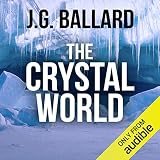
- Audible Audiobook
- J. G. Ballard (Author) - Sean Barrett (Narrator)
- English (Publication Language)
- 08/07/2014 (Publication Date) - Audible Studios (Publisher)
What to Check First
- Ballard’s Entropic Vision: Ballard frequently explores themes of societal decay, the breakdown of order, and the psychological allure of regression. Understanding this context is vital for interpreting “The Crystal World.”
- Symbolic Language: The novel employs rich, symbolic language. The crystal is not merely a physical phenomenon but a metaphor for stasis, the cessation of time, and the ultimate triumph of inorganic over organic.
- Narrative Focus: Be prepared for a narrative that prioritizes atmosphere, internal character states, and environmental description over action or a traditional plot arc. The story unfolds through observation and reflection.
- Allegorical Intent: View the novel as an extended metaphor for the human behavior and the inevitable processes of decay, rather than a literal scientific prediction.
Step-by-Step Plan for Understanding The Crystal World by J. G. Ballard
1. Initial Observation: The Crystal’s Advance. Focus on the early descriptions of the crystalline phenomenon’s gradual appearance and its initial effects on the environment.
- Action: Note the sensory details – the shimmering surfaces, the altered light, the hardening of organic matter.
- What to Look For: The subtle yet relentless nature of the crystal’s spread and its impact on the natural world, signaling a fundamental shift.
- Mistake: Treating the crystal solely as a physical threat; its true significance lies in its symbolic representation of stasis and the end of change.
2. Character Retreat: Isolation and Obsession. Observe how the inhabitants, particularly Dr. Sanders, react to the encroaching crystal and choose to isolate themselves within the estate.
- Action: Analyze the characters’ motivations for staying, their increasing detachment from the outside world, and their fixation on the phenomenon.
- What to Look For: The psychological process of surrender, the morbid fascination with the crystalline state, and the erosion of normal human concerns.
- Mistake: Expecting characters to behave according to conventional survival instincts; Ballard’s characters often embody psychological responses to overwhelming existential forces.
3. The Estate as Microcosm: The Devolving Environment. Examine the descriptions of the estate and its grounds as they are progressively overtaken by crystal.
- Action: Pay close attention to how the familiar becomes alien, how the crystal transforms organic life into inorganic structures, and how natural processes cease.
- What to Look For: The oppressive beauty of the crystal formations, the silencing of natural sounds, and the visual representation of entropy.
- Mistake: Interpreting the setting purely literally; the estate functions as a powerful symbol of a society succumbing to ossification and loss of vitality.
4. Thematic Core: Entropy and Stasis. Identify and connect the novel’s central concerns with entropy, decay, and the cessation of temporal flow.
- Action: Relate the physical crystallization to broader philosophical ideas about the end of progress, the loss of dynamism, and the human tendency towards inertia.
- What to Look For: The pervasive sense of inevitability and the characters’ paradoxical attempts to find meaning or solace within this terminal state.
- Mistake: Searching for a traditional conflict or a hopeful resolution; the central struggle is existential and internal, focused on the nature of being in the face of absolute stasis.
5. Ballard’s Counter-Narrative: The Allure of the End. Consider the novel’s exploration of the psychological attraction to endings and ultimate stillness.
- Action: Analyze instances where characters seem to accept, embrace, or find a strange peace within the crystalline stasis.
- What to Look For: The idea that the crystal world offers a form of ultimate order, a release from the anxieties of a dynamic existence, or a final, perfect form.
- Mistake: Underestimating the psychological complexity; Ballard suggests a deep-seated human inclination towards surrender when confronted with overwhelming, irreversible forces.
6. Literary Context: A Unique Vision of Decay. Place “The Crystal World” within Ballard’s body of work and its broader literary significance.
- Action: Compare its themes of decay and stasis to other Ballard novels or similar works of speculative fiction.
- What to Look For: How it serves as a counter-narrative to optimistic futures, offering a stark, beautiful, and unsettling perspective on endings and transformation.
- Mistake: Treating it as an isolated work; its power is amplified when understood as part of Ballard’s consistent engagement with the psychological and societal implications of entropy.
Common Myths About The Crystal World by J. G. Ballard
- Myth: The novel is a straightforward science fiction story about an alien invasion or environmental catastrophe.
- Why it Matters: This interpretation misses the allegorical and psychological depth, reducing a complex meditation on entropy to a simple plot.
- Fix: Understand the crystal as a metaphor for societal stagnation, psychological ossification, and the inevitable decay inherent in all systems, not just an external environmental threat.
- Myth: The characters are passive victims with no agency in their fate.
- Why it Matters: This overlooks Ballard’s nuanced portrayal of human psychology, where individuals often exhibit a complex interplay of resistance, acceptance, and even seduction by the prevailing conditions of decay.
- Fix: Recognize that the characters’ internal states and choices, however seemingly passive, are central to the novel’s exploration of how humans respond to and are drawn to profound, irreversible change.
- Myth: “The Crystal World” offers a clear moral or a definitive message about the future.
- Why it Matters: Ballard’s work is rarely didactic. Expecting a simple takeaway can lead to disappointment if the reader searches for a prescriptive answer or a clear moral lesson.
- Fix: Approach the novel as an exploration and evocation of a state of being. The “message” lies in the experience of encountering this crystalline world and contemplating its implications for consciousness and existence.
Expert Tips for Engaging with The Crystal World
- Tip 1: Embrace the Ambiguity.
- Action: Do not seek definitive explanations for the crystal’s origin or a clear resolution to the narrative.
- Common Mistake: Demanding plot logic or scientific plausibility where Ballard intends symbolic resonance and psychological exploration.
- Tip 2: Focus on Sensory and Psychological Detail.
- Action: Pay close attention to Ballard’s descriptions of light, texture, sound (or lack thereof), and the internal states of the characters.
- Common Mistake: Skimming descriptive passages, thereby missing the atmospheric build-up and the subtle cues to the novel’s deeper themes.
- Tip 3: Contextualize within Ballard’s Oeuvre.
- Action: Consider how “The Crystal World” relates to other works by Ballard that explore themes of entropy, technological alienation, and psychological breakdown.
- Common Mistake: Reading the novel in isolation, without appreciating how it contributes to Ballard’s consistent thematic concerns across his career.
Decision Rules for The Crystal World by J. G. Ballard
- If your primary interest is in allegorical science fiction that explores the psychological impact of societal decay, this novel is highly recommended.
- If you prefer fast-paced plots and clear narrative arcs, “The Crystal World” may present a challenge, and alternative works might be more suitable.
- If you are a dedicated admirer of J. G. Ballard’s unique style and thematic preoccupations, this novel offers a significant and characteristic example of his work.
FAQ
Q1: What is the central theme of “The Crystal World”?
A1: The central theme is entropy and stasis, explored through the metaphor of a world being overtaken by a crystalline structure. It examines the human psychological response to inevitable decay and the allure of ultimate stillness.
Q2: How does J. G. Ballard’s “The Crystal World” differ from typical dystopian literature?
A2: Unlike many dystopian novels that focus on oppressive regimes or active conflict, “The Crystal World” presents a more passive, internal form of collapse. The “antagonist” is entropy itself, and the narrative emphasizes psychological surrender and the seduction of stasis over rebellion or overt struggle.
Q3: Is “The Crystal World” a difficult book to read?
A3: It can be challenging due to its dense, symbolic prose and its focus on atmosphere and psychological states rather than conventional plot. Readers who appreciate literary science fiction and are prepared for a more contemplative experience will find it rewarding.
Q4: What does the crystal symbolize in the novel?
A4: The crystal symbolizes ultimate order, stasis, the cessation of time and change, and the triumph of inorganic matter over the organic. It represents an end state, both beautiful and terrifying, that reflects Ballard’s fascination with entropy.
BLOCKQUOTE_0
This quote encapsulates the novel’s paradoxical view of the crystalline transformation, highlighting its appeal as a form of absolute, albeit lifeless, order.
| Aspect | Description | Reader Takeaway |
|---|