Horror and History: Matt Ruff’s Lovecraft Country
This review examines Matt Ruff’s novel Lovecraft Country, focusing on its narrative strengths, thematic depth, and suitability for specific readerships. It aims to provide a nuanced understanding of the work’s contribution to contemporary horror and speculative fiction.
Lovecraft Country by Matt Ruff: Who This Is For
Lovecraft Country is recommended for readers who appreciate genre-bending narratives that blend supernatural horror with historical social commentary. It will appeal to those interested in exploring themes of racism, identity, and the supernatural within an American historical context.
What to Check First
Before diving into Lovecraft Country, consider the following:
- Author’s Style: Matt Ruff is known for his ability to weave disparate genres, often incorporating elements of horror, science fiction, and historical fiction. His prose is typically direct and accessible.
- Thematic Undertones: The novel directly confronts the legacy of Jim Crow-era racism in America. If you are sensitive to depictions of racial prejudice and violence, this is a significant element to be aware of.
- Pacing and Structure: The book is structured episodically, following protagonist Atticus Turner and his companions on various quests. This can create a dynamic reading experience but may feel disjointed to some.
- Lovecraftian Elements: While the title invokes H.P. Lovecraft, the novel uses his cosmic horror tropes as a springboard for its own narrative rather than a direct homage. The “Lovecraftian” elements are integrated into a distinctly American setting.
Step-by-Step Plan: Engaging with Lovecraft Country
To fully appreciate Lovecraft Country by Matt Ruff, consider approaching it with an awareness of its layered narrative.
1. Establish the Setting: Pay close attention to the historical period (1950s America) and its implications for the characters, particularly Atticus Turner. What to look for: The pervasive atmosphere of racial segregation and discrimination, which serves as a foundational horror alongside the supernatural. Mistake to avoid: Underestimating the significance of the historical context; it is not merely a backdrop but an active antagonist.
2. Track Character Arcs: Observe the individual journeys of Atticus, Letitia, and Montrose. What to look for: How each character grapples with their personal demons and the external threats they face, both human and eldritch. Mistake to avoid: Focusing solely on the supernatural plotlines; the character development is crucial to the novel’s emotional impact.
3. Analyze the Blend of Genres: Note how Ruff merges cosmic horror with pulp adventure and social realism. What to look for: The seamless integration of seemingly disparate elements, such as ancient curses and the stark realities of 1950s racial politics. Mistake to avoid: Expecting a purely Lovecraftian experience; the novel reinterprets and subverts many of Lovecraft’s original themes.
4. Examine the Use of Folklore and Mythology: Identify instances where African folklore and mythology are incorporated into the narrative. What to look for: The ways in which these traditions are presented as potent forces, often contrasting with or confronting the Western occultism. Mistake to avoid: Dismissing these elements as mere window dressing; they are integral to the novel’s unique power.
5. Consider thematic Resonance: Reflect on the novel’s exploration of heritage, family, and the search for belonging. What to look for: The recurring motif of legacy, both inherited and chosen, and how it shapes the characters’ actions and destinies. Mistake to avoid: Overlooking the emotional core of the story in favor of its more sensational aspects.
Lovecraft Country by Matt Ruff: A Deep Dive into Themes
Matt Ruff’s Lovecraft Country is a masterclass in blending genres, but its true power lies in its unflinching examination of American history through a speculative lens. The novel doesn’t just feature monsters; it confronts the very real, human-created horrors of racism and oppression, demonstrating how these forces can be as terrifying, if not more so, than any cosmic entity. The narrative’s strength lies in its ability to use the fantastical to illuminate the mundane, making the historical injustices feel visceral and immediate.
The structure, while episodic, allows Ruff to explore a wide array of supernatural phenomena and historical settings, from the sundown towns of the Midwest to the opulent mansions of the wealthy elite. Each episode acts as a self-contained horror story, yet contributes to the overarching narrative of Atticus’s quest to find his missing father and reclaim his birthright. This approach ensures a consistent level of engagement, with each chapter offering new challenges and revelations.
Contrarian Viewpoint: The Episodic Structure’s Limitations
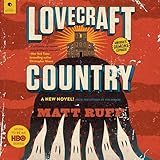
- Audible Audiobook
- Matt Ruff (Author) - Kevin Kenerly (Narrator)
- English (Publication Language)
- 02/23/2021 (Publication Date) - Harper (Publisher)
While the episodic nature of Lovecraft Country is a strength for many, it can also be a point of contention. For readers who prefer a tightly woven, single-arc plot, the shifts in focus and setting between chapters might feel jarring. The novel’s structure can sometimes dilute the momentum of individual storylines, leaving the reader wanting more immediate resolution for certain subplots or character interactions before moving on to the next distinct adventure. This is a deliberate choice by Ruff, prioritizing thematic exploration and variety over strict narrative cohesion, which may not resonate with all readers seeking a more traditional novelistic experience.
Common Myths About Lovecraft Country
- Myth: The book is a straightforward homage to H.P. Lovecraft’s works.
- Why it matters: This misconception might lead readers to expect a purely cosmic horror narrative focused on alien deities and existential dread.
- Fix: Understand that Ruff uses Lovecraft’s mythos as a foundation to explore distinctly American themes, particularly racism. The “monsters” are often metaphors for societal ills.
- Myth: The novel is solely about supernatural monsters and magic.
- Why it matters: This overlooks the critical role of historical and social commentary.
- Fix: Recognize that the human-created horrors of racism and segregation are as central to the plot and its terror as any eldritch being. The supernatural elements often serve to amplify or allegibly confront these real-world injustices.
- Myth: The characters are merely archetypes serving the plot.
- Why it matters: This diminishes the depth and emotional resonance of the characters.
- Fix: Engage with the characters’ individual journeys, motivations, and emotional struggles. Atticus, Letitia, and Montrose are complex individuals navigating trauma and identity within a hostile world.
Expert Tips for Reading Lovecraft Country
To maximize your understanding and enjoyment of Lovecraft Country, consider these practical insights:
- Tip: Actively research the historical context of the 1950s American South and Midwest.
- Actionable Step: Before or during reading, look up information on Jim Crow laws, sundown towns, and the broader Civil Rights movement of the era.
- Common Mistake to Avoid: Treating the historical setting as mere background noise; the pervasive racism is a primary source of terror and shapes every aspect of the characters’ lives and the narrative’s conflicts.
- Tip: Pay attention to the intergenerational trauma and legacy themes.
- Actionable Step: Note how the past actions of characters’ ancestors, particularly Montrose’s, directly influence the present dangers Atticus and his companions face.
- Common Mistake to Avoid: Focusing solely on the immediate supernatural threats and overlooking the deeper, inherited burdens that drive the plot and character motivations.
- Tip: Appreciate the subversive use of Lovecraftian tropes.
- Actionable Step: Identify how Ruff subverts or recontextualizes classic Lovecraftian elements (e.g., cults, forbidden knowledge, alien entities) to serve his exploration of African American experiences.
- Common Mistake to Avoid: Expecting a faithful reproduction of Lovecraft’s original themes and cosmology. Ruff uses these elements as a framework to critique and re-imagine them within an American context.
BLOCKQUOTE_0
Quick Comparison
| Option | Best for | Pros | Watch out |
|---|---|---|---|
| Who This Is For | General use | Author’s Style: Matt Ruff is known for his ability to weave disparate genres,… | Common Mistake to Avoid: Treating the historical setting as mere background n… |
| What to Check First | General use | Thematic Undertones: The novel directly confronts the legacy of Jim Crow-era… | Common Mistake to Avoid: Focusing solely on the immediate supernatural threat… |
| Step-by-Step Plan Engaging with Lovecraft Country | General use | Pacing and Structure: The book is structured episodically, following protagon… | Common Mistake to Avoid: Expecting a faithful reproduction of Lovecraft’s ori… |
| Lovecraft Country by Matt Ruff A Deep Dive into Themes | General use | Lovecraftian Elements: While the title invokes H.P. Lovecraft, the novel uses… | Common Mistake to Avoid: Treating the historical setting as mere background n… |
Decision Rules
- If reliability is your top priority for Lovecraft Country by Matt Ruff, choose the option with the strongest long-term track record and support.
- If value matters most, compare total ownership cost instead of headline price alone.
- If your use case is specific, prioritize fit-for-purpose features over generic ‘best overall’ claims.
FAQ
- Q: Is Lovecraft Country a horror novel, or is it more historical fiction?
- A: It is a powerful blend of both. The novel uses supernatural horror elements, including creatures and magic inspired by Lovecraftian lore, to explore the very real historical horrors of racism and segregation in 1950s America.
- Q: How closely does the book follow the HBO series?
- A: The HBO series is inspired by the book but takes significant creative liberties. While the core characters and many plot points are shared, the series develops its own narrative arcs and interpretations that differ from Matt Ruff’s novel.
- Q: What is the primary thematic takeaway from Lovecraft Country?
- A: A central theme is the confrontation of systemic racism as a form of horror as terrifying as any supernatural entity. The novel also explores themes of identity, family legacy, and finding one’s place in a hostile world.
- Q: Is the book suitable for someone new to Lovecraft’s work?
- A: Yes. While it references Lovecraftian themes, the novel stands on its own and is accessible to readers unfamiliar with H.P. Lovecraft. It uses his mythology as a springboard for its unique narrative rather than requiring prior knowledge.
- Q: What makes the “monsters” in this book particularly frightening?
- A: The monsters are frightening not only for their supernatural capabilities but also because they often serve as allegories for real-world prejudice and oppression. The terror is amplified by the characters’ vulnerability due to their race in a society that is already dangerous.
- Q: How does the episodic structure benefit the story?
- A: The episodic structure allows Ruff to explore a wide range of supernatural threats and historical settings, providing variety and keeping the reader engaged with distinct mini-narratives. It also allows for a broader thematic exploration by presenting different facets of the supernatural and societal challenges.