Discovering Love and Life in Pablo Neruda’s Poems
Quick Answer
- Core Appeal: Explores universal themes of love, nature, and social justice with potent imagery and emotional depth.
- Key Strength: Neruda’s ability to connect profound human experiences with the tangible world.
- Potential Challenge: Some readers may find the abstract or overtly political verses less accessible without context.
Who This Is For
- Readers seeking emotionally resonant poetry that delves into profound aspects of human experience.
- Individuals interested in exploring themes of love, nature, and political activism through a literary lens.
What to Check First
- Thematic Focus: Identify whether you are drawn to poems of love and sensuality, reflections on nature, or politically charged verses.
- Translation Quality: Different translations can significantly alter the impact and rhythm of Neruda’s work. Consider checking reviews for specific editions.
- Author’s Historical Context: Understanding the period in which Neruda wrote can illuminate the political and social undertones in many of his poems.
- Personal Resonance: Gauge your openness to lyrical language and potentially abstract or symbolic imagery.
Step-by-Step Plan for Engaging with Poems of Pablo Neruda by Pablo Neruda
1. Begin with Accessible Love Poems: Start with well-known collections like Twenty Love Poems and a Song of Despair.
- Action: Read poems such as “Tonight I Can Write the Saddest Lines.”
- What to Look For: The direct emotional expression, vivid sensory details (e.g., “the night is starry and the stars are blue and shiver in the distance”), and the melancholic tone.
- Mistake: Rushing through to more complex works without appreciating the foundational emotional landscape.
2. Explore Nature and Elemental Themes: Move to poems that connect human existence with the natural world.
- Action: Read selections from Canto General that focus on the geography and spirit of Latin America.
- What to Look For: Neruda’s personification of natural elements (mountains, rivers) and his sense of belonging to the earth.
- Mistake: Overlooking the ecological and existential connections Neruda draws between humanity and nature.
For a deep dive into the heart of Neruda’s work, this collection offers a powerful exploration of love, nature, and social justice through his signature potent imagery and emotional depth.
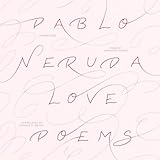
- Audible Audiobook
- Pablo Neruda (Author) - Armando Durán (Narrator)
- English (Publication Language)
- 11/01/2016 (Publication Date) - Blackstone Audio, Inc. (Publisher)
3. Engage with Political and Social Commentary: Approach the more overtly activist poems with an awareness of their context.
- Action: Read poems that address social injustice or political struggle.
- What to Look For: The use of strong, direct language to convey solidarity and protest, and the specific historical events or conditions being referenced.
- Mistake: Dismissing these poems as propaganda without understanding the deeply personal convictions driving them.
4. Analyze Poetic Devices: Pay attention to Neruda’s use of metaphor, simile, and personification.
- Action: Select a poem and identify recurring literary devices.
- What to Look For: How metaphors (e.g., comparing love to bread, or the body to the earth) create layers of meaning and emotional impact.
- Mistake: Reading solely for plot or direct meaning, thus missing the richness of the imagery.
5. Consider the Translation’s Impact: If possible, compare passages from different translations.
- Action: Find two translations of the same poem and read them side-by-side.
- What to Look For: Subtle shifts in rhythm, word choice, and the overall emotional tenor.
- Mistake: Assuming all translations offer the same experience of the original work.
6. Reflect on Universal Human Experiences: Connect the specific themes in the poems to your own life.
- Action: Journal your thoughts on how Neruda’s exploration of love, loss, or connection resonates with you.
- What to Look For: The enduring power of his observations on the human condition, transcending time and specific circumstances.
- Mistake: Treating the poems as solely historical artifacts rather than as living expressions of human emotion.
Common Mistakes
- Mistake: Focusing solely on the romantic poems and ignoring Neruda’s broader thematic scope.
- Why it Matters: This limits understanding of his evolution as a poet and his engagement with social and political issues, which are integral to his body of work.
- Fix: Actively seek out and read poems from different periods and thematic collections to gain a comprehensive view.
- Mistake: Expecting a linear narrative or straightforward message in every poem.
- Why it Matters: Neruda’s style is often lyrical, symbolic, and associative, relying on imagery and emotional evocation rather than direct exposition.
- Fix: Approach the poems with an openness to interpretation and allow the language and imagery to create their own impact.
- Mistake: Underestimating the influence of historical and political context on the poems.
- Why it Matters: Many of Neruda’s later works are deeply intertwined with the political realities of Chile and Latin America during his lifetime.
- Fix: Briefly research the historical periods referenced in the poems to better understand their urgency and meaning.
- Mistake: Neglecting to consider the translator’s role in shaping the reading experience.
- Why it Matters: Poetry is highly sensitive to linguistic nuances. Different translators can emphasize different aspects of rhythm, sound, and meaning.
- Fix: If possible, explore editions with translations by reputable poets or scholars, and be aware that the experience can vary between translations.
Poems of Pablo Neruda by Pablo Neruda: Strengths and Limitations
| Strength | Limitation |
|---|---|
| <strong>Vivid Imagery & Sensory Detail:</strong> Neruda’s language is exceptionally rich, painting concrete pictures and evoking strong feelings. | <strong>Potential for Obscurity:</strong> Some poems, especially those with dense symbolism or political undertones, may require deeper engagement or external context. |
| <strong>Emotional Resonance:</strong> His exploration of love, loss, and human connection is deeply felt and universally relatable. | <strong>Translation Variability:</strong> The impact of the poems can differ significantly based on the translator’s skill and interpretation. |
| <strong>Thematic Breadth:</strong> Covers love, nature, politics, and everyday life with equal passion and insight. | <strong>Abstract or Overtly Political Stances:</strong> Certain readers might find some poems too abstract or their political messages too direct for their taste. |
| <strong>Musicality and Rhythm:</strong> Even in translation, his verse often possesses a strong lyrical quality and flow. | <strong>Inconsistent Accessibility:</strong> While some poems are immediately engaging, others may demand more patience and analytical effort. |
BLOCKQUOTE_0
Expert Tips for Reading Neruda
- Tip: Prioritize thematic exploration over chronological reading.
- Action: Select a theme that interests you (e.g., love, the sea, political protest) and find poems related to it across different collections.
- Mistake to Avoid: Feeling obligated to read his works in strict publication order, which can lead to encountering challenging political poems before establishing a connection with his more accessible lyrical style.
- Tip: Engage with multiple translations for key works.
- Action: If you find a particular poem deeply affecting, seek out another translation and compare how different word choices and phrasing alter the experience.
- Mistake to Avoid: Assuming that the first translation you encounter is the definitive version, thereby missing nuances or alternative interpretations of Neruda’s intent.
- Tip: Contextualize political poems with brief historical research.
- Action: When encountering a poem with overt political themes, spend a few minutes searching for the specific events or social conditions it references.
- Mistake to Avoid: Dismissing politically charged poems as mere propaganda without understanding the historical struggles and personal convictions that fueled them.
Decision Rules
- If reliability is your top priority for Poems of Pablo Neruda by Pablo Neruda, choose the option with the strongest long-term track record and support.
- If value matters most, compare total ownership cost instead of headline price alone.
- If your use case is specific, prioritize fit-for-purpose features over generic ‘best overall’ claims.
FAQ
- Q: How can I best appreciate the Poems of Pablo Neruda by Pablo Neruda if I don’t speak Spanish?
- A: Focus on translations by reputable poets and scholars. Read reviews to identify translations known for their fidelity to Neruda’s style and emotional depth. Comparing different translations of the same poem can also enhance understanding.
- Q: What is the primary failure mode readers encounter with Poems of Pablo Neruda by Pablo Neruda?
- A: The primary failure mode is encountering the overtly political poems without sufficient context, leading to dismissal or misunderstanding. Readers may perceive them as abstract pronouncements rather than deeply felt expressions of solidarity and protest rooted in historical events.
- Q: How can I detect this political poem failure mode early?
- A: Pay attention to your initial reaction to poems that discuss social injustice, revolution, or specific political figures. If you feel confused, alienated, or find the language overly didactic, it’s a sign that contextual research might be beneficial.
- Q: Beyond love, what are other significant recurring themes in Neruda’s poetry?
- A: Nature, the sea, everyday objects (like socks or a tomato), social justice, political commentary, and the passage of time are all prominent themes. Neruda often connects the personal to the universal and the earthly to the cosmic.
- Q: Are there specific poems or collections that are considered more challenging?
- A: While Twenty Love Poems and a Song of Despair is generally accessible, longer works like Canto General can be more demanding due to their epic scope and dense historical and political references. Some individual poems may also be challenging due to their abstract imagery or specific allusions.