Children’s Fantasy: A Look at Roald Dahl’s The Witches
Roald Dahl’s The Witches remains a potent force in children’s literature, renowned for its darkly humorous take on a classic antagonist. This examination delves into its narrative construction, thematic depth, and suitability for young readers, offering a balanced perspective on its enduring impact.
Quick Answer
- Recommended for: Readers aged 8 and up who enjoy stories with dark humor, strong female elders, and protagonists who overcome adversity through wit and courage.
- Consider skipping if: The reader is particularly sensitive to frightening imagery or if a purely lighthearted fantasy narrative is desired.
- Core takeaway: A compelling, albeit unsettling, exploration of courage, appearance versus reality, and the power of knowledge, making it a significant work for its target demographic.
Who This Is For
- Children aged 8-12 who are ready for more complex narratives and can process themes of danger and fear without undue distress.
- Adults interested in revisiting a classic of children’s literature, analyzing Dahl’s distinctive narrative voice, or understanding its place in the canon of fairy tale subversion.
Roald Dahl’s classic tale, The Witches, is a must-read for young fantasy fans. If you’re looking for a copy, you can easily find it.
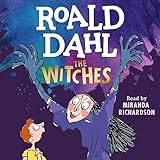
- Audible Audiobook
- Roald Dahl (Author) - Miranda Richardson (Narrator)
- English (Publication Language)
- 09/26/2013 (Publication Date) - Listening Library (Publisher)
What to Check First
- Reader’s Tolerance for Fright: The novel’s witches are depicted with genuinely terrifying characteristics and malicious intent. Ensure the intended reader is not easily frightened by grotesque descriptions or suspense.
- Appreciation for Dahl’s Style: Dahl’s prose is characterized by a unique blend of dark humor, cynicism, and direct address to the reader. Familiarity or openness to this style is beneficial.
- Understanding of Subverted Tropes: The story deliberately challenges conventional fairy tale expectations. Readers should be prepared for a less idyllic, more pragmatic resolution.
- Grandmother’s Role: The grandmother is a pivotal character, serving as both protector and educator. Her wisdom and practical approach are central to the narrative’s success.
Step-by-Step Plan: Engaging with The Witches by Roald Dahl
This structured approach helps readers fully appreciate the nuances and impact of The Witches by Roald Dahl.
1. Establish the Threat: Begin by understanding the core premise: a young boy and his grandmother must confront a secret society of witches bent on destroying children.
- What to look for: The grandmother’s detailed explanation of witch identification, emphasizing their hidden nature and specific physical tells (e.g., square feet, lack of toes).
- Mistake: Underestimating the witches’ threat by assuming they are easily distinguishable; Dahl’s witches are masters of disguise.
2. Analyze the Protagonist’s Development: Observe how the orphaned boy navigates his dangerous circumstances.
- What to look for: His initial fear, his reliance on his grandmother’s knowledge, and his eventual bravery and strategic thinking when faced with the Grand High Witch.
- Mistake: Viewing the protagonist solely as a victim; his agency and adaptability are key to the story’s resolution.
3. Evaluate the Grandmother’s Wisdom: Recognize the grandmother as not only a storyteller; she is a repository of crucial knowledge and a symbol of resilience.
- What to look for: Her specific lore about witches, her unwavering love and protection of her grandson, and her strategic counsel.
- Mistake: Dismissing her explanations as mere folklore; they are presented as vital survival information within the narrative.
4. Deconstruct the Witches’ Nature: Identify the specific, disturbing traits that define Dahl’s witches.
- What to look for: Their disguises (wigs, gloves), their absolute hatred for children, and their diabolical plans, particularly the Grand High Witch’s formula for turning children into mice.
- Mistake: Applying generic witch archetypes; Dahl’s witches are defined by a precise, chilling set of characteristics.
5. Assess the Balance of Humor and Horror: Note how Dahl expertly intertwines dark humor with genuine peril.
- What to look for: The absurdity of certain witch attributes (e.g., their smell) juxtaposed with the very real danger they represent.
- Mistake: Focusing exclusively on the humor and overlooking the underlying menace, or vice-versa, leading to a misinterpretation of the tone.
6. Consider the Thematic Significance: Reflect on the story’s exploration of appearances versus reality and the power of courage and knowledge.
- What to look for: How the narrative encourages readers to look beyond superficialities and to value wisdom and inner strength.
- Mistake: Missing the deeper messages by focusing solely on the plot; the story offers profound lessons about perception and bravery.
Common Myths About The Witches
- Myth: Witches in The Witches can be identified by obvious magical signs.
- Why it matters: This is a central misunderstanding that would render the protagonists helpless. The story’s tension hinges on witches’ ability to blend in.
- Fix: Understand that Dahl’s witches are defined by specific, subtle physical traits (like square feet, wigs, and gloves) that require keen observation, not overt magic, to detect.
- Myth: The book is a straightforward, feel-good fairy tale.
- Why it matters: This expectation can lead to disappointment or distress due to the novel’s darker elements.
- Fix: Approach the story acknowledging its significant elements of horror and suspense. The humor is often dark, and the witches are genuinely malevolent.
- Myth: The protagonist’s transformation into a mouse is a purely negative outcome.
- Why it matters: This overlooks the strategic advantage and thematic resolution Dahl crafts.
- Fix: Recognize that the transformation, while initially tragic, becomes the key to the protagonist’s ultimate success and survival, embodying the theme of turning disadvantage into strength.
The Witches by Roald Dahl: A Deeper Look
Dahl’s portrayal of witches in The Witches is a deliberate departure from typical folklore, presenting them as a secret, deeply malicious organization focused on the eradication of children. The narrative is built upon the grandmother’s meticulous cataloging of their hidden characteristics—their bald heads concealed by wigs, their gloved hands hiding claw-like fingers, and their saliva which is poisonous to children. This detailed exposition serves a dual purpose: it establishes the immediate, terrifying threat and equips both the protagonist and the reader with the knowledge necessary to identify and, ultimately, combat this hidden enemy.
The narrative strength of The Witches by Roald Dahl lies in its subversion of traditional heroic paradigms. Victory is not achieved through brute force or conventional magic, but through intelligence, observation, and profound courage. The protagonist’s transformation into a mouse, a seemingly devastating setback, becomes the very mechanism through which he can confront and defeat the witches. This choice underscores Dahl’s consistent theme that true strength often emerges from adaptability and the ability to leverage one’s circumstances, however dire.
BLOCKQUOTE_0
This quote starkly encapsulates the novel’s unflinching depiction of pure malevolence. Dahl does not offer complex, morally ambiguous villains; his witches are presented as embodiments of irrational hatred. This clear demarcation between innocent protagonists and utterly wicked antagonists establishes a potent moral framework, effective for its intended young audience. The story prompts readers to consider the nature of evil and the importance of vigilance, even when threats are not immediately apparent.
Thematic Elements and Narrative Strengths
A primary thematic strength of The Witches is its exploration of deception and the crucial difference between appearance and reality. The witches, who masquerade as ordinary women, are revealed to be monstrous in their intentions and actions. This encourages readers to question superficial judgments and to trust the wisdom passed down from elders, personified by the grandmother. Her character provides a vital counterpoint to the witches’ malice, highlighting the power of love, shared knowledge, and unwavering determination.
Dahl’s masterful use of dark humor is another significant strength. While the subject matter is inherently unsettling, the author injects moments of absurdity and grim wit that offer comic relief without diminishing the narrative’s stakes. The witches’ elaborate disguises and their reactions to the protagonist’s counter-plans often elicit a dark chuckle, making the story memorable and engaging. This careful balance is key to the book’s long-term relevance, allowing it to be both frightening and entertaining.
Limitations and Counterpoints
A notable limitation, and a point of contention for some, is the graphic nature of the violence and the pervasive sense of dread. The description of children being transformed into mice and the witches’ intent to boil them is stark and could be genuinely traumatizing for younger or more sensitive readers. This contrasts with many contemporary children’s books that opt for gentler themes and less visceral depictions of peril.
Furthermore, the absolute, unmitigated evil of the witches can be perceived as a simplification of complex motivations. While effective for a children’s narrative, it offers little room for exploring the nuances of villainy. The protagonist’s ultimate fate, while a victory of sorts, is also bittersweet, as he must live out his life as a mouse. This pragmatic, unsentimental resolution is a departure from the idealized conclusions often found in children’s literature, which some readers might find bleak or unsatisfying.
Expert Tips for Reading The Witches
- Tip 1: Master the “Witch Identification Protocol.”
- Actionable Step: Pay meticulous attention to the grandmother’s detailed explanations of how to identify a witch, noting specific physical characteristics and behaviors.
- Common Mistake to Avoid: Skimming over the grandmother’s lore as mere exposition; these details are the narrative’s operational manual for confronting the threat.
- Tip 2: Embrace the Pragmatic Hero.
- Actionable Step: Understand that the protagonist’s bravery stems from his love for his grandmother and his determination to survive, rather than from inherent magical powers or physical prowess.
- Common Mistake to Avoid: Expecting a conventional heroic arc; the protagonist’s vulnerabilities and cleverness are his primary strengths.
*
Quick Comparison
| Option | Best for | Pros | Watch out |
|---|---|---|---|
| Quick Answer | General use | Recommended for: Readers aged 8 and up who enjoy stories with dark humor, str… | Mistake: Underestimating the witches’ threat by assuming they are easily dist… |
| Who This Is For | General use | Consider skipping if: The reader is particularly sensitive to frightening ima… | Mistake: Viewing the protagonist solely as a victim; his agency and adaptabil… |
| What to Check First | General use | Core takeaway: A compelling, albeit unsettling, exploration of courage, appea… | Mistake: Dismissing her explanations as mere folklore; they are presented as… |
| Step-by-Step Plan Engaging with The Witches by Roald Dahl | General use | Children aged 8-12 who are ready for more complex narratives and can process… | Mistake: Applying generic witch archetypes; Dahl’s witches are defined by a p… |
Decision Rules
- If reliability is your top priority for The Witches by Roald Dahl, choose the option with the strongest long-term track record and support.
- If value matters most, compare total ownership cost instead of headline price alone.
- If your use case is specific, prioritize fit-for-purpose features over generic ‘best overall’ claims.