Charles Dickens’s Little Dorrit: Social Commentary Explored
This exploration of Little Dorrit by Charles Dickens is designed for readers interested in nuanced social commentary and the intricacies of Victorian society. It focuses on understanding the novel’s enduring relevance, its critique of institutions, and the character development that underpins its thematic depth.
Who this is for
- Students and scholars of Victorian literature seeking a comprehensive understanding of Dickens’s social critique and thematic concerns.
- Engaged readers who appreciate complex narratives and character studies, and who want to delve beyond plot to explore deeper societal issues.
What to check first
Before diving into the novel’s extensive commentary, consider these points:
- Historical Context: Familiarize yourself with the Poor Laws and the debtors’ prisons of Victorian England, as these are central to the novel’s setting and critique.
- Dickens’s Style: Be prepared for Dickens’s characteristic long sentences, intricate plotting, and large cast of characters.
- Thematic Preoccupation: Understand that Little Dorrit is deeply concerned with themes of imprisonment (literal and metaphorical), social hierarchy, and the corrupting influence of bureaucracy and wealth.
- Key Institutions: Recognize the significance of the Marshalsea Prison, the Circumlocution Office, and the workings of the Blandois conspiracy as focal points for Dickens’s satire.
Step-by-step plan: Engaging with Little Dorrit’s Social Commentary
1. Initial Reading & Character Mapping: Read through the novel, focusing on identifying the main characters and their initial circumstances.
- Action: Create a character map or list as you read.
- What to look for: Note how characters are introduced and their initial social standing. For instance, Amy Dorrit’s life within the Marshalsea versus Arthur Clennam’s return from abroad.
- Mistake: Overlooking minor characters who later become significant or whose situations illuminate broader societal issues.
2. Identify Key Settings and Their Symbolism: Pay close attention to the environments Dickens describes.
- Action: Note the descriptive passages for the Marshalsea, Bleeding Heart Yard, and the various opulent and impoverished homes.
- What to look for: How each setting reflects the social or psychological state of its inhabitants. The Marshalsea is not just a prison but a symbol of inherited misfortune and societal neglect.
- Mistake: Treating settings as mere backdrops rather than integral components of the novel’s thematic development.
3. Analyze the Critique of Institutions: Focus on Dickens’s portrayal of governmental bodies and social systems.
- Action: Specifically track the scenes involving the Circumlocution Office and the Department of the Intended.
- What to look for: The deliberate inefficiency, corruption, and self-preservation that characterize these institutions, and how they impact individuals like the Dorrit family.
- Mistake: Missing the satirical edge and understanding the Circumlocution Office as a literal depiction rather than a scathing indictment of bureaucratic inertia.
4. Trace the Theme of Imprisonment: Observe how “imprisonment” manifests in various forms.
- Action: List instances of literal imprisonment (Marshalsea), financial bondage, and psychological entrapment (e.g., societal expectations, secrets).
- What to look for: The parallels between the physical confinement of the debtors’ prison and the emotional or social constraints faced by characters like Amy Dorrit, Fanny Dorrit, or even Arthur Clennam in his own obligations.
- Mistake: Limiting the understanding of imprisonment to only the literal prison setting.
For a comprehensive understanding of Dickens’s critique, diving into the text itself is essential. This classic novel offers unparalleled insight into Victorian society.
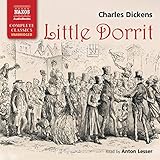
- Audible Audiobook
- Charles Dickens (Author) - Anton Lesser (Narrator)
- English (Publication Language)
- 10/29/2008 (Publication Date) - Naxos Audiobooks (Publisher)
5. Examine the Role of Money and Class: Assess how wealth, poverty, and social status shape character interactions and destinies.
- Action: Note the financial situations of key families and individuals, and how these influence their relationships and opportunities.
- What to look for: The corrupting influence of inherited wealth (the Dorrits after their inheritance) versus the resilience found in poverty (Amy Dorrit). The contrast between the “Affery” family and the wealthy, disconnected characters.
- Mistake: Underestimating the pervasive influence of class dynamics on every character’s arc.
6. Deconstruct Character Arcs: Follow the development of major characters, particularly Amy Dorrit and Arthur Clennam.
- Action: Revisit key moments of decision or revelation for these characters.
- What to look for: Amy’s quiet strength and selflessness versus her potential for growth; Clennam’s initial disillusionment and eventual understanding of true value.
- Mistake: Assuming characters remain static; Dickens often shows significant internal change, even if subtle.
7. Appreciate the Narrative Structure and Foreshadowing: Notice how Dickens weaves together disparate plot threads.
- Action: Review earlier chapters for details that gain significance later, especially concerning the Blandois plot or the origins of various characters’ misfortunes.
- What to look for: The interconnectedness of seemingly unrelated events and characters, and the subtle hints Dickens provides.
- Mistake: Becoming lost in subplots and failing to see how they contribute to the overarching themes and resolution.
Common Mistakes in Reading Little Dorrit by Charles Dickens
- Mistake: Focusing solely on plot mechanics.
- Why it matters: Little Dorrit thrives on its thematic depth and social commentary. Reducing it to a simple narrative misses its core purpose.
- Fix: Actively seek out the symbolic meanings, satirical critiques, and character motivations behind the events.
- Mistake: Underestimating the significance of minor characters.
- Why it matters: Characters like Mrs. Gamp (though more prominent in Martin Chuzzlewit, her archetype of societal fringe figures is present) or Mr. F.’s Aunt, while sometimes appearing for comic relief, often embody specific social failings or virtues.
- Fix: Consider the function of each character within the broader social tapestry Dickens is painting.
- Mistake: Expecting a fast-paced, modern narrative.
- Why it matters: Dickens’s Victorian prose is dense, descriptive, and often employs a more leisurely pace. This can be a barrier if the reader expects immediate gratification.
- Fix: Adjust reading expectations. Embrace the richness of the language and the detailed world-building. Read in shorter, focused sessions if necessary.
- Mistake: Interpreting the “Marshalsea” as solely a physical prison.
- Why it matters: The Marshalsea is a powerful metaphor for various forms of confinement—debt, societal expectation, emotional baggage, and the limitations imposed by bureaucracy.
- Fix: Constantly ask yourself, “What is this character or situation imprisoned by?” beyond the literal walls.
Little Dorrit by Charles Dickens: Exploring Themes and Character
The Prison as a Metaphorical Cage
One of the most potent aspects of Little Dorrit by Charles Dickens is its pervasive use of the prison as a symbol. This extends far beyond the literal confines of the Marshalsea debtors’ prison. Characters find themselves trapped by societal expectations, by their own secrets, by the suffocating weight of bureaucracy, and by the inherited circumstances of their birth. Amy Dorrit, though outwardly free, is initially imprisoned by her lifelong devotion to her father and her role as the family’s caretaker. Arthur Clennam, returning from abroad, finds himself entangled in a web of familial obligation and a loveless engagement, a different kind of confinement. The novel suggests that true freedom is not merely the absence of bars, but the liberation of the spirit from these myriad forms of bondage.
BLOCKQUOTE_0
This quote, reflective of the novel’s nuanced view of human nature, highlights how circumstances—often dictated by societal structures and systemic failures—can lead individuals to act in ways that appear “bad” but stem from their entrapment.
The Corrosive Nature of Bureaucracy and Wealth
Dickens launches a blistering attack on the inefficiency and self-serving nature of officialdom through the infamous Circumlocution Office. This fictional government department embodies the principle of “how not to do it,” serving as a symbol of the broader societal inertia and systemic corruption that Dickens observed. The novel also scrutinizes the impact of wealth, particularly inherited wealth, which can lead to idleness, moral decay, and a disconnect from reality. The Dorrit family’s transformation from impoverished prisoners to wealthy gentry illustrates how sudden affluence can corrupt character and distort relationships, stripping away the virtues forged in hardship.
Expert Tips for Deeper Engagement
- Tip: Track the “invisible” connections.
- Actionable Step: Maintain a running list of seemingly minor characters or plot points and revisit them later to see how they connect to the larger narrative and themes of Little Dorrit by Charles Dickens.
- Common Mistake to Avoid: Dismissing subplots or characters as tangential; they often serve as crucial links in Dickens’s intricate social commentary.
- Tip: Analyze the language of imprisonment.
- Actionable Step: Highlight or make notes of recurring words and phrases related to confinement, debt, freedom, and obligation throughout your reading.
- Common Mistake to Avoid: Reading descriptions of the Marshalsea literally without considering their metaphorical resonance for characters outside its walls.
- Tip: Compare the “born into” versus “earned” status.
- Actionable Step: Actively contrast characters who inherit privilege or misfortune (like the Dorrits or Clennam) with those who strive and suffer for their position (like the Meagles family’s aspirations for their daughter).
- Common Mistake to Avoid: Overlooking the subtle ways Dickens critiques the inherent unfairness of a class-based society where birth often dictates destiny.
Common Myths About Little Dorrit
- Myth: Little Dorrit is solely about the hardships of debtors’ prisons.
- Evidence-Based Rebuttal: While the Marshalsea is a central setting and symbol, the novel’s critique extends to all forms of societal and personal “imprisonment.” This includes the metaphorical prisons of bureaucracy (the Circumlocution Office), social obligation, and personal secrets that trap characters like Arthur Clennam and even Amy Dorrit in her devotion. The novel’s scope is far broader than just financial ruin.
- Myth: Amy Dorrit is a passive, uninteresting protagonist.
- Evidence-Based Rebuttal: Amy’s quiet resilience, unwavering loyalty, and profound empathy are not passivity but active moral strength. Her character arc involves a gradual, internal awakening to her own worth and desires, culminating in a significant personal sacrifice and eventual agency. Her strength lies in her steadfastness and moral compass, which serve as a counterpoint to the corruption and superficiality around her.
Decision Rules
- If reliability is your top priority for Little Dorrit by Charles Dickens, choose the option with the strongest long-term track record and support.
- If value matters most, compare total ownership cost instead of headline price alone.
- If your use case is specific, prioritize fit-for-purpose features over generic ‘best overall’ claims.
FAQ
- Q: Is Little Dorrit a difficult book to read?
- A: Little Dorrit can be challenging due to its length, intricate plot, large cast of characters, and Victorian prose style. However, its rich social commentary and compelling characters make the effort rewarding. Reading it in sections and focusing on thematic elements can enhance the experience.
- Q: What is the main message of Little Dorrit?
- A: A primary message is the critique of societal institutions—government, bureaucracy, and class structures—that imprison individuals, both literally and figuratively. It also explores themes of love, sacrifice, and the corrupting influence of wealth versus the enduring value of integrity and genuine connection.
- Q: How does Little Dorrit compare to other Dickens novels?
- A: Little Dorrit is considered one of Dickens’s most complex and thematically dense novels. It shares his characteristic satire and social critique found in works like Bleak House and Great Expectations, but its focus on bureaucracy and the pervasive theme of imprisonment sets it apart. The narrative structure is also particularly intricate, weaving together multiple storylines with a strong symbolic undercurrent.
| Character Group | Primary Theme(s) | Key Example | Reader Takeaway |
|---|---|---|---|
| <strong>The Marshalsea Inhabitants</strong> | Imprisonment, debt, familial obligation | Amy Dorrit, William Dorrit | Explores resilience and moral compass under duress. |
| <strong>The Bureaucrats</strong> | Inefficiency, corruption, self-preservation | The Circumlocution Office | Satirizes the failures of institutional systems. |
| <strong>The Wealthy Elite</strong> | Idleness, moral decay, superficiality | The Veneerings, the Gowan family | Critiques the corrupting influence of unearned privilege and social climbing. |
| <strong>The Aspiring Middle Class</strong> | Social mobility, ambition, compromise | The Meagles family, Arthur Clennam (initially) | Highlights the pressures and compromises involved in social advancement. |
How this list was curated
This guide was curated with the following criteria in mind:
1. Depth of Analysis: Prioritizing insights that go beyond plot summary to explore thematic significance and social critique.
2. Reader Accessibility: Providing actionable steps and explanations to help readers navigate the novel’s complexity.
3. Evidence-Based Commentary: Grounding observations in specific elements of the text and Dickens’s known concerns.
4. Thematic Cohesion: Ensuring that each section contributes to a holistic understanding of Little Dorrit‘s enduring relevance.
5. Practical Application: Offering concrete advice for engaging with the text, identifying common pitfalls, and extracting maximum value from the reading experience.
Segmentation: Reader Level and Time Commitment
- For the Casual Reader: Focus on the core narrative of Amy Dorrit and Arthur Clennam, identifying the main instances of imprisonment and the basic critique of the Circumlocution Office. A commitment of 1-2 hours per week for several weeks is recommended.
- For the Dedicated Student: Engage with the full thematic tapestry, including secondary characters and subplots. Analyze the symbolic use of settings and the nuances of Dickens’s satire. A commitment of 3-5 hours per week over a longer period will allow for deeper exploration and note-taking.
- For the Literary Analyst: Deconstruct the novel’s structure, linguistic devices, and historical context. Compare its themes to other Victorian social commentaries. This level requires consistent engagement and potentially supplementary reading
Structured Pick Cards
The Prison as a Metaphorical Cage
- Best for: readers who want practical takeaways and clear progression.
- Skip if: you need only advanced theory with little implementation guidance.
- Trade-off: stronger depth can mean a slower pace in some chapters.
The Corrosive Nature of Bureaucracy and Wealth
- Best for: readers who want practical takeaways and clear progression.
- Skip if: you need only advanced theory with little implementation guidance.
- Trade-off: stronger depth can mean a slower pace in some chapters.
Students and scholars of Victorian literature seeking a comprehensive understanding of
- Best for: readers who want practical takeaways and clear progression.
- Skip if: you need only advanced theory with little implementation guidance.
- Trade-off: stronger depth can mean a slower pace in some chapters.
By Reader Level
- Beginner: start with one fundamentals pick and one habit-building pick.
- Intermediate: prioritize books with frameworks you can apply weekly.
- Advanced: choose deeper titles focused on systems and decision quality.
An under-the-radar pick worth considering is a less mainstream title that explains decision quality with unusually clear examples.