Carlos Ruiz Zafon’s Marina: A Gothic Mystery Novel
Carlos Ruiz Zafon’s Marina is a novel that plunges readers into the shadowed corners of Barcelona, weaving a tale of adolescent discovery intertwined with a dark, unfolding mystery. This analysis provides a precise breakdown of its narrative structure, thematic resonance, and suitability for specific readers, offering a clear framework for understanding its literary merit.
Quick Answer
- For readers seeking atmospheric gothic suspense: Marina delivers a richly detailed narrative steeped in mystery, historical intrigue, and the poignant journey of a young protagonist.
- Ideal for those who appreciate intricate plotting: The novel expertly constructs a complex puzzle with a profound sense of place, drawing readers into its labyrinthine secrets.
- Recommended for admirers of evocative prose: Zafon’s distinctive, lyrical style imbues Barcelona with a palpable mood of melancholy and suspense, enhancing the novel’s thematic depth.
Who This Is For
- Readers who enjoy atmospheric, character-driven mysteries with strong gothic undertones and a focus on historical secrets.
- Individuals drawn to narratives that explore themes of memory, loss, the uncanny, and the enduring impact of the past.
What to Check First
Before embarking on Marina, consider these key aspects to optimize your reading experience:
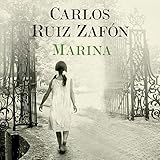
- Audible Audiobook
- Carlos Ruiz Zafón (Author) - Marcel Navarro (Narrator)
- Spanish (Publication Language)
- 01/28/2020 (Publication Date) - Random House Audio (Publisher)
- Pacing and Atmosphere: The novel builds its suspense and atmosphere deliberately. Readers accustomed to fast-paced thrillers may find the initial chapters more contemplative.
- Thematic Complexity: Be prepared for explorations of hidden truths, the unsettling nature of the uncanny, and the ambiguous relationship between reality and illusion.
- Setting as a Character: Barcelona is not merely a backdrop; it is a vital, breathing entity within the narrative. An interest in or familiarity with the city will significantly enhance immersion.
- Authorial Style: Zafon’s signature blend of lyrical prose, melancholic tone, and intricate narrative structures is a hallmark of his work.
Step-by-Step Plan for Understanding Marina by Carlos Ruiz Zafon
To fully appreciate the layers of Marina, approach it with a structured understanding of its narrative components.
1. Engage with Óscar’s Transformation: Focus on the protagonist, Óscar Drai, as he transitions to a new school and becomes entangled with the enigmatic Marina.
- What to look for: Óscar’s initial feelings of isolation and his growing fascination with Marina and the secrets she harbors.
- Mistake to avoid: Underestimating Óscar’s personal journey; his coming-of-age narrative is intrinsically linked to the central mystery.
2. Immerse Yourself in the Gothic Ambiance: Pay close attention to Zafon’s descriptions of decaying manors, hidden pathways, and the pervasive sense of unease.
- What to look for: Zafon’s deliberate use of shadow, fog, and architectural details to cultivate a palpable atmosphere of dread.
- Mistake to avoid: Dismissing the setting’s significance; the gothic elements are crucial for the plot’s development and thematic resonance.
3. Follow the Intricate Mystery: Unravel the enigma surrounding the Kolvenik family and the secrets of the “Flower of Smoke.”
- What to look for: Clues that connect seemingly unrelated events and characters, particularly the recurring motif of the automaton.
- Mistake to avoid: Expecting immediate answers; the mystery is designed to unfold gradually, revealing layers of deception and hidden histories.
4. Analyze the Interplay of Memory and Loss: Observe how past events and forgotten histories actively shape the present narrative.
- What to look for: The ways characters confront trauma, grief, and the lasting consequences of buried secrets.
- Mistake to avoid: Focusing solely on suspense; the emotional and psychological weight of the past is a primary thematic driver of the novel.
5. Consider the Uncanny Elements: Evaluate the presence and impact of the uncanny and potentially supernatural occurrences within the narrative.
- What to look for: Moments where the boundaries between the natural and unnatural appear to blur, and their effect on character perception.
- Mistake to avoid: Categorizing the novel strictly as fantasy; the uncanny elements are woven into a grounded, albeit dark, reality.
6. Appreciate Zafon’s Lyrical Prose: Savor the author’s descriptive language and evocative imagery.
- What to look for: The aesthetic quality and melancholic tone of the prose, even when depicting unsettling events.
- Mistake to avoid: Skimming descriptive passages; they are essential for establishing the novel’s unique mood and immersive quality.
Marina by Carlos Ruiz Zafon’s Gothic Barcelona
The city of Barcelona in Marina transcends its function as a mere setting; it becomes a character in its own right, imbued with history, secrets, and a pervasive gothic atmosphere that mirrors the novel’s dark themes. Zafon meticulously employs the city’s labyrinthine streets, hidden courtyards, and decaying architecture to amplify the sense of mystery and unease. This profound connection between place and plot is a defining characteristic of Zafon’s work, drawing readers into a world where the past is never fully relinquished.
Common Myths About Marina by Carlos Ruiz Zafon
- Myth 1: Marina is a straightforward ghost story.
- Why it matters: This assumption may lead to unmet expectations if readers anticipate overt supernatural encounters as the sole focus.
- Fix: Recognize that while the uncanny is present, the novel is more deeply concerned with psychological suspense, the weight of history, and the lingering impact of human actions. The “supernatural” often functions metaphorically for unresolved trauma and buried truths.
- Myth 2: The novel is exclusively a young adult coming-of-age story.
- Why it matters: While Óscar’s development is central, the novel’s complexity and mature themes extend beyond typical YA conventions.
- Fix: Understand that Marina integrates a coming-of-age narrative with intricate adult mysteries, gothic horror elements, and profound explorations of memory and loss, appealing to a broader readership.
Expert Tips for Reading Marina
- Tip 1: Embrace the Narrative Pace.
- Actionable Step: Allow the narrative to unfold deliberately, paying close attention to descriptive passages and character interactions in the initial chapters.
- Common Mistake to Avoid: Impatience with the early setup; rushing through these sections can cause readers to miss crucial atmospheric details and thematic foreshadowing.
- Tip 2: Maintain a Character and Plot Reference.
- Actionable Step: Briefly note key characters, their relationships, and significant plot developments as they are introduced, particularly concerning the Kolvenik family and the “Flower of Smoke.”
- Common Mistake to Avoid: Losing track of the intricate character web; Zafon’s plots are layered, and a simple reference can prevent confusion.
- Tip 3: Identify Symbolism in Narrative Elements.
- Actionable Step: Consider the symbolic weight of recurring objects and motifs, such as the automaton, the house of the “Dragon,” and specific Barcelona landmarks.
- Common Mistake to Avoid: Treating all narrative elements as purely literal; Zafon frequently imbues his work with deeper symbolic meaning that enriches the overall thematic structure.
BLOCKQUOTE_0
Frequently Asked Questions
- Q: Is Marina a standalone novel, or part of a series?
- A: Marina is a standalone novel. While it shares thematic and stylistic similarities with Zafon’s “Cemetery of Forgotten Books” series, it can be read independently.
- Q: How does Marina compare to The Shadow of the Wind?
- A: Both novels are set in Barcelona and feature gothic mystery elements. However, Marina leans more heavily into supernatural undertones and a coming-of-age narrative, while The Shadow of the Wind focuses more on literary mystery and the power of books.
- Q: What is the primary theme explored in Marina?
- A: The novel centrally explores the pervasive influence of the past on the present, the nature of memory, the uncovering of dark family secrets, and the transition from innocence to experience.
- Q: Is the novel suitable for younger readers?
- A: While it features a young protagonist, the novel deals with mature themes of death, trauma, and psychological darkness, making it more appropriate for mature young adults and adult readers.
| Aspect | Description | Reader Takeaway |
|---|---|---|
| Atmosphere | Dense, gothic, melancholic; Barcelona depicted as a living entity. | Evokes a strong sense of place and mood. |
| Mystery Plot | Intricate, layered, with elements of the uncanny and historical secrets. | Requires attention to detail for full appreciation. |
| Character Arc | Focuses on Óscar’s growth and his entanglement in a dark, complex world. | Provides a relatable entry point into the novel’s themes. |
| Prose Style | Lyrical, evocative, rich in metaphor and sensory detail. | Enhances immersion and emotional resonance. |
| Thematic Depth | Explores memory, loss, trauma, and the blurred lines of reality. | Offers substantial food for thought beyond the plot. |
Decision Rules
- If reliability is your top priority for Marina by Carlos Ruiz Zafon, choose the option with the strongest long-term track record and support.
- If value matters most, compare total ownership cost instead of headline price alone.
- If your use case is specific, prioritize fit-for-purpose features over generic ‘best overall’ claims.