Black Elk Speaks: A Lakota Visionary’s Story
Understanding Black Elk Speaks by John G. Neihardt
- Black Elk Speaks by John G. Neihardt is a seminal work that recounts the spiritual visions and life experiences of a Lakota holy man. It provides a profound, albeit mediated, glimpse into Lakota cosmology and the devastating impact of colonial expansion on Indigenous peoples.
- Readers should approach this text with an awareness that it is a literary interpretation, shaped by the non-Lakota poet John G. Neihardt, who transcribed and shaped Black Elk’s oral narratives.
- The book’s enduring power lies in its exploration of spiritual themes and its historical context, but a critical understanding of its authorship and the translation process is crucial for a balanced reception.
Who Should Read Black Elk Speaks by John G. Neihardt
- Individuals seeking to understand Indigenous American spirituality, cosmology, and the historical trauma experienced by the Lakota people during a period of intense cultural disruption.
- Readers interested in the intersection of personal vision, cultural resilience, and the devastating effects of colonial expansion on Native American societies.
What to Check First
- Authorship and Mediation: Confirm that John G. Neihardt, a non-Lakota poet, is the author and transcriber. His editorial choices and literary voice significantly influence the narrative.
- Translation Nuances: Understand that Black Elk’s spoken words were translated and interpreted, meaning the text includes layers of Neihardt’s understanding and stylistic preferences.
- Historical Context: Familiarize yourself with the specific historical period of conflict, displacement, and cultural suppression faced by the Lakota people in the late 19th and early 20th centuries.
- Scholarly Discourse: Be aware that Black Elk Speaks by John G. Neihardt has been subject to extensive academic debate regarding its authenticity and the extent of Neihardt’s influence.
Step-by-Step Plan for Engaging with Black Elk Speaks
1. Engage with Prefatory Materials: Begin by reading Neihardt’s preface and any subsequent forewords or introductions, particularly those by Indigenous scholars.
- Action: Read all prefatory sections carefully.
- What to Look For: The stated intentions of Neihardt, the circumstances of the book’s creation, and early critical discussions about its reception.
- Mistake: Overlooking these contextual elements and assuming the book is a direct, unvarnished autobiography, which can lead to a misapprehension of its origins.
2. Analyze the Great Vision: Dedicate specific attention to Black Elk’s descriptions of his profound spiritual vision received in childhood, as it forms the book’s spiritual and thematic core.
- Action: Analyze the symbolism and imagery presented in the vision sequences.
- What to Look For: The interconnectedness of natural elements, the roles of the Six Grandfathers, and the central metaphor of the “flowering tree” as representations of Lakota spiritual power and well-being.
- Mistake: Dismissing the visions as purely symbolic or allegorical without attempting to understand their significance within the specific framework of Lakota cosmology.
For those seeking a profound and historically significant account of Lakota spirituality and the impact of colonization, Black Elk Speaks by John G. Neihardt is an essential read. This seminal work offers a unique perspective on Indigenous cosmology and the resilience of a people.
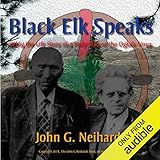
- Audible Audiobook
- John G. Neihardt (Author) - Robin Neihardt (Narrator)
- English (Publication Language)
- 01/31/2014 (Publication Date) - Skyyrim Studios (Publisher)
3. Contextualize Historical Events: Follow Black Elk’s life narrative as it intersects with significant historical events, such as the Battle of the Little Bighorn, the Ghost Dance movement, and the Wounded Knee Massacre.
- Action: Correlate Black Elk’s accounts with established historical records.
- What to Look For: The tangible effects of broken treaties, forced displacement, and the suppression of Indigenous culture on the Lakota people.
- Mistake: Accepting all historical accounts as objective fact without cross-referencing with other historical sources, particularly those offering Indigenous perspectives.
4. Identify Neihardt’s Stylistic Interventions: Pay close attention to the language and narrative structure Neihardt employs, noting where his poetic sensibilities might influence the presentation.
- Action: Identify instances of elevated language, metaphorical phrasing, or narrative shaping that suggest Neihardt’s authorial voice.
- What to Look For: The tone, which can be both evocative and potentially romanticized, and how it frames Black Elk’s experiences and spiritual insights.
- Mistake: Assuming the prose is a literal transcription of Black Elk’s spoken words, failing to recognize the collaborative and interpretive nature of the text.
5. Evaluate the Theme of Sorrow: Observe Black Elk’s recurring expressions of sadness and his perception that his vision was insufficient to prevent the suffering of his people.
- Action: Reflect on the emotional arc and the recurring motifs of loss and disillusionment.
- What to Look For: The profound sense of grief, particularly after the Wounded Knee Massacre, and how this colors the interpretation of the vision’
Quick Comparison
| Option | Best for | Pros | Watch out |
|---|---|---|---|
| Understanding Black Elk Speaks by John G Neihardt | General use | Black Elk Speaks by John G. Neihardt is a seminal work that recounts the spir… | Mistake: Overlooking these contextual elements and assuming the book is a dir… |
| Who Should Read Black Elk Speaks by John G Neihardt | General use | Readers should approach this text with an awareness that it is a literary int… | Mistake: Dismissing the visions as purely symbolic or allegorical without att… |
| What to Check First | General use | The book’s enduring power lies in its exploration of spiritual themes and its… | Mistake: Accepting all historical accounts as objective fact without cross-re… |
| Step-by-Step Plan for Engaging with Black Elk Speaks | General use | Individuals seeking to understand Indigenous American spirituality, cosmology… | Mistake: Assuming the prose is a literal transcription of Black Elk’s spoken… |
Decision Rules
- If reliability is your top priority for Black Elk Speaks by John G. Neihardt, choose the option with the strongest long-term track record and support.
- If value matters most, compare total ownership cost instead of headline price alone.
- If your use case is specific, prioritize fit-for-purpose features over generic ‘best overall’ claims.