Arthur Rimbaud’s ‘A Season in Hell’ Analysis
This analysis delves into Arthur Rimbaud’s A Season in Hell, a seminal prose poem that captures a period of profound spiritual and artistic upheaval. It is intended for readers interested in modernist literature, the intricacies of confessional writing, and the biographical context that shaped groundbreaking artistic expression.
Who This Is For
- Literary Scholars and Students: Individuals focused on Symbolism, the evolution of modernist poetic techniques, and the exploration of subjective experience in literature.
- Readers Seeking Thematic Depth: Those drawn to works that grapple with fundamental questions of identity, belief, artistic purpose, and the complexities of human behavior.
What to Check First
Before engaging with A Season in Hell, consider these foundational elements:
To fully immerse yourself in the analysis of Arthur Rimbaud’s seminal prose poem, having a copy of ‘A Season in Hell’ is essential. This edition provides the original text for reference as you delve into its complex themes.
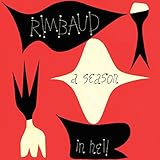
- Audible Audiobook
- Arthur Rimbaud (Author) - Michael C. Gwynne (Narrator)
- English (Publication Language)
- 06/11/2018 (Publication Date) - Spoken Word Inc (Publisher)
- Author’s Age: Arthur Rimbaud composed this work around the age of 17. This context is essential for understanding its raw emotional intensity and experimental spirit.
- Historical and Literary Context: The late 19th century was a period of significant artistic change. Familiarity with movements like Symbolism, which emphasized suggestion and indirect imagery, provides a framework for Rimbaud’s approach.
- Genre: Prose Poetry: A Season in Hell is written in prose paragraphs that retain poetic qualities, rather than traditional verse. This hybrid form allows for both narrative flow and concentrated imagery.
- Subjectivity and Symbolism: Rimbaud’s narrative is intensely personal and utilizes a wide array of symbols. Engaging with the text requires an openness to subjective interpretation and an appreciation for metaphor.
Step-by-Step Plan for Understanding A Season in Hell by Arthur Rimbaud
To fully appreciate the layered meaning within A Season in Hell, a structured approach is recommended.
1. Begin with “Bad Blood” (Mauvais Sang): This section establishes the narrative, confronting the narrator’s past and perceived transgressions.
- Action: Read this section to identify the core conflicts and the narrator’s self-condemnation.
- What to look for: Recurring motifs of impurity, ancestral guilt, and a visceral rejection of conventional morality.
- Mistake to avoid: Treating the narrator’s pronouncements as literal autobiography without recognizing their symbolic weight.
2. Analyze “The Alchemist’s Dream” (Le Rêve de l’Alchimiste): This part explores the transformative power and potential pitfalls of artistic creation.
- Action: Examine the alchemical imagery as a metaphor for the poet’s attempt to transmute base experiences into art.
- What to look for: The parallels between the alchemist’s quest for gold and the poet’s search for pure expression.
- Mistake to avoid: Getting bogged down in the literal interpretation of alchemical processes; the focus is on the symbolic journey.
3. Deconstruct “I is Another” (Je est un autre): This pivotal section delves into the fractured nature of identity.
- Action: Pay close attention to the shifts in voice and the direct address to a fragmented self.
- What to look for: The breakdown of a unified ego and the confrontation with internal multiplicities.
- Mistake to avoid: Assuming a stable, coherent narrator; the essence of this section is the dissolution of the singular “I.”
4. Engage with “The Drinker of Fire” (Le Buveur de Chaleur): This section depicts the intoxicating and destructive pursuit of extreme sensation.
- Action: Observe the vivid imagery associated with overwhelming experience and its consequences.
- What to look for: The narrator’s embrace of dangerous pleasures as a means of pushing the boundaries of consciousness.
- Mistake to avoid: Viewing this as mere hedonism; it represents a desperate attempt to find meaning through extreme states.
5. Process “The Impossible” (L’Impossible): This section confronts the limitations of reality and the yearning for transcendence.
- Action: Identify moments where Rimbaud articulates the desire for an escape from earthly constraints.
- What to look for: The recurring theme of flight or a higher state that remains perpetually out of reach.
- Mistake to avoid: Interpreting the sense of impossibility as ultimate despair; it also highlights the persistent human drive for something more.
6. Consider “The Dawn” (L’Aurore): This concluding part offers a tentative resolution and a re-evaluation of past torments.
- Action: Note the shift in tone and the emergence of a more measured, albeit weary, perspective.
- What to look for: A sense of acceptance of past struggles and a nascent hope for a future detached from former obsessions.
- Mistake to avoid: Expecting a complete or easy redemption; the conclusion is marked by a hard-won, fragile peace.
A Season in Hell by Arthur Rimbaud: A Critical Examination
This section offers a nuanced assessment of the literary merits and thematic impact of A Season in Hell.
Strengths
- Unprecedented Voice and Style: Rimbaud’s prose poetry is revolutionary for its raw, confessional intensity and audacious linguistic innovation. The work feels intensely personal, offering a direct, unfiltered glimpse into a young, tormented psyche. For example, the opening lines of “Bad Blood” immediately establish a tone of radical self-interrogation: “I have been a pagan. I have adored what I worshipped.” This bold declaration was groundbreaking for its time.
- Visceral and Enduring Imagery: The text is populated with striking, often surreal images that resonate deeply. The “drinkers of fire” and the alchemical metaphors create a dreamlike, disorienting landscape that powerfully mirrors the narrator’s internal state. The depiction of hell as a place where “fear spreads its wings” provides a potent evocation of psychological anguish.
- Profound Thematic Exploration: Despite its apparent fragmentation, A Season in Hell grapples with universal human themes: the struggle for identity, the conflict between innocence and experience, the nature of artistic creation, and the quest for spiritual truth. Its exploration of the poet as an outcast and a visionary continues to hold significant relevance.
Limitations
- Obscurity and Elusiveness: The highly subjective and allusive nature of Rimbaud’s prose can make A Season in Hell challenging to fully grasp on initial readings. The lack of a clear, linear narrative and the dense symbolic language can be barriers for readers seeking straightforward meaning. For instance, the section “The Alchemist’s Dream” is rich with esoteric references that may require considerable background knowledge or annotation to unpack effectively.
- Potential for Misinterpretation: The intensity of Rimbaud’s self-exploration, particularly his unflinching descriptions of spiritual crisis and experiences that could be perceived as debauchery, can lead to misinterpretations of his artistic intent. Some readers might focus solely on the sensational aspects without fully appreciating the underlying philosophical and artistic quest. The raw depiction of “the infernal marriages” could be seen as gratuitous if not understood as symbolic representations of his internal struggle.
- Demanding Readership: This is not a work to be passively consumed. It requires active engagement, rereading, and potentially consulting critical analyses to fully appreciate its layers of meaning. The fragmented structure and the demands it places on the reader’s interpretive skills are significant.
Common Myths About A Season in Hell
Several persistent misconceptions surround Arthur Rimbaud’s A Season in Hell. Addressing these can lead to a more accurate and appreciative understanding of the work.
- Myth: A Season in Hell is merely a raw, unedited diary of Rimbaud’s personal debauchery.
- Why it matters: This view reduces a complex literary creation to simple biographical sensationalism, overlooking its profound artistic and philosophical ambitions.
- Fix: Recognize that while biographical elements are certainly present, the work uses these experiences as a symbolic language to explore universal themes of spiritual crisis, artistic identity, and the search for transcendence. The “hell” depicted is as much internal and existential as it is external.
- Myth: The work signifies Rimbaud’s absolute and final renunciation of poetry.
- Why it matters: This overlooks the complex and evolving relationship Rimbaud had with his art, and the fact that A Season in Hell itself is a powerful act of poetic creation.
- Fix: Understand that the work marks a critical turning point—a cathartic purging of past creative obsessions and torments. It signifies the end of one phase of his artistic life, not necessarily an absolute abandonment of creative expression itself, but a profound reorientation.
- Myth: The poem is entirely pessimistic and offers no glimmer of hope.
- Why it matters: This perspective ignores the nuanced conclusion and the tentative steps towards a new understanding presented in the final sections of the work.
- Fix: Pay close attention to the concluding sections, particularly “The Dawn” (L’Aurore), which suggests a move towards a different kind of existence. This is a state marked by a weary but present acceptance and a detachment from past agonies, rather than a complete or untroubled redemption.
Expert Tips for Reading A Season in Hell
Approaching Arthur Rimbaud’s A Season in Hell can be significantly enhanced by employing established critical strategies.
- Tip 1: Leverage Annotations and Critical Guides.
- Actionable Step: Before or during your reading, consult scholarly editions or reputable literary analyses that provide context for Rimbaud’s dense allusions, symbols, and biographical references.
- Common Mistake to Avoid: Attempting to decipher the work in isolation without external aids, which can lead to potential misinterpretations of its complex symbolic language and allusions.
- Tip 2: Prioritize Thematic Arcs Over Plot Progression.
- Actionable Step: Instead of searching for a linear story, focus on tracking the recurring themes such as identity, sin, redemption, and the nature of art as they evolve across different sections.
- Common Mistake to Avoid: Becoming disoriented by the fragmented narrative and feeling frustrated by the lack of clear plot progression, thereby missing the underlying thematic coherence and development.
- Tip 3: Consider the Author’s Age and Historical Context.
- Actionable Step: Maintain awareness that Rimbaud wrote this seminal work in his late teens. This perspective should inform your understanding of its raw intensity, experimentalism, and the adolescent turmoil it so vividly captures.
- Common Mistake to Avoid: Judging the work solely by the standards of mature literary output, without acknowledging the extraordinary precocity and youthful angst it so powerfully embodies.
Decision Criteria for Engaging with A Season in Hell
When considering your engagement with A Season in Hell by Arthur Rimbaud, several factors can influence your approach and expectations.
- If your primary constraint is time: Prioritize reading key sections like “Bad Blood,” “I is Another,” and “The Dawn” to grasp the essential arc of the narrator’s crisis and resolution.
- If your goal is deep literary analysis: Dedicate time to examining the symbolic language and intertextual references, perhaps using critical guides to enrich your understanding.
- If you are new to modernist poetry: Approach A Season in Hell with patience, recognizing its experimental nature and the reward of persistent engagement.
Decision Rules
- If reliability is your top priority for A Season in Hell by Arthur Rimbaud, choose the option with the strongest long-term track record and support.
- If value matters most, compare total ownership cost instead of headline price alone.
- If your use case is specific, prioritize fit-for-purpose features over generic ‘best overall’ claims.
FAQ
- Q: Is A Season in Hell considered a poem or prose?
- A: It is classified as prose poetry. This means it utilizes the rhythmic and evocative language characteristic of poetry but is structured in prose paragraphs rather than traditional verse lines.
- Q: What is the primary “hell” that Arthur Rimbaud describes in the work?
- A: The “hell” is multifaceted. It encompasses intense spiritual torment, the agony of artistic struggle, profound disillusionment with both societal norms and the narrator’s personal past, and the internal conflict arising from a fragmented identity.
- Q: Why is A Season in Hell by Arthur Rimbaud so historically significant in literature?
- A: Its significance lies in its radical departure from conventional poetic forms, its intensely personal and confessional voice, and its profound influence on subsequent modernist and surrealist literature. It marked a pivotal shift in how poets could explore the self and the psyche.
- Q: Should I read other works by Rimbaud before tackling A Season in Hell?
- A: While not strictly mandatory, reading some of his earlier poetry, such as Illuminations, can provide valuable context for his developing style and thematic preoccupations before you delve into the more complex structure and themes of A Season in Hell.
| Section | Core Themes Explored | Recommended Reading Focus | Common Misinterpretation to Avoid |
|---|---|---|---|
| Bad Blood | Rebellion, self-recrimination, ancestral guilt | Identify initial conflicts and the narrator’s defiance. | Treating the narrator’s pronouncements as literal autobiography. |
| The Alchemist’s Dream | Artistic creation, spiritual transformation | Analyze alchemical metaphors for poetic endeavor. | Interpreting alchemical terms in a literal rather than symbolic sense. |
| I is Another | Fragmented identity, internal conflict | Track shifts in voice and the dissolution of the “I.” | Assuming a stable, unified narrator throughout the text. |
| The Drinker of Fire | Extreme sensation, destructive pursuit | Observe imagery of intense experience and its cost. | Viewing this section as mere hedonism rather than a quest for meaning. |
| The Impossible | Limitations, yearning for transcendence | Note expressions of unattainable desires and escape. | Concluding with absolute nihilism; the search persists. |
| The Dawn | Tentative resolution, acceptance, weary hope | Observe the shift in tone towards acceptance and peace. | Expecting a complete or untroubled redemption; it is hard-won. |