Understanding E. B. White’s Charlotte’s Web
This analysis examines E. B. White’s classic children’s novel, Charlotte’s Web, focusing on its thematic depth, narrative construction, and long-term relevance. It provides a critical perspective for readers considering its literary merit and impact.
Who This Is For
- Readers interested in a deeper analysis of classic children’s literature beyond surface-level plot summaries.
- Educators and parents seeking to understand the nuanced themes and literary techniques present in Charlotte’s Web.
What to Check First
- Thematic Resonance: Consider the central themes of life, death, friendship, and loyalty. How does White present these complex ideas for a young audience?
- Narrative Voice: Analyze White’s distinctive, calm, and observant narrative voice. How does it shape the reader’s perception of the barnyard characters and events?
- Character Development: Examine the growth and interactions of Wilbur and Charlotte. Are their relationships believable and emotionally impactful?
- Symbolism: Identify key symbols, such as the spider’s web and the changing seasons. What deeper meanings do they convey?
Step-by-Step Plan: Deconstructing Charlotte’s Web by E. B. White
1. Analyze the Opening: Examine the initial chapters where Wilbur is introduced and faces potential demise.
- Action: Read the first 50 pages carefully.
- What to Look For: The immediate establishment of conflict and the introduction of key characters. Note the tone White employs to address potentially grim subject matter.
- Mistake: Assuming the book is solely about a pig; overlooking the subtle foreshadowing of mortality.
2. Trace Wilbur’s Development: Observe Wilbur’s emotional journey from a vulnerable piglet to a celebrated barnyard resident.
- Action: Track Wilbur’s interactions and emotional responses throughout the novel.
- What to Look For: His evolving understanding of his place in the world and his dependence on Charlotte.
- Mistake: Focusing only on external events; failing to appreciate Wilbur’s internal growth and capacity for friendship.
3. Evaluate Charlotte’s Role: Study Charlotte’s motivations and actions.
- Action: Pay close attention to Charlotte’s dialogue and her weaving of words into her web.
- What to Look For: Her intelligence, compassion, and her strategic approach to saving Wilbur. Consider the philosophical underpinnings of her actions.
- Mistake: Viewing Charlotte as merely a plot device; underestimating the depth of her character and her existential reflections.
4. Examine the Barnyard Ecosystem: Observe the social dynamics and character archetypes within the barnyard.
- Action: Identify and analyze the roles of characters like Templeton the rat, Goose, and the sheep.
- What to Look For: How these characters contribute to the overall narrative and reflect different aspects of community and self-interest.
- Mistake: Dismissing minor characters as simple caricatures; missing their symbolic or thematic contributions.
5. Assess the Climax and Resolution: Analyze the events surrounding the county fair and Charlotte’s passing.
- Action: Read the final chapters, focusing on the emotional arc of Wilbur and the consequences of Charlotte’s sacrifice.
- What to Look For: The narrative’s handling of death and legacy. How does White create a sense of closure while acknowledging loss?
- Mistake: Expecting a purely “happy ending”; failing to recognize the profound beauty in the acceptance of life’s natural cycles.
6. Consider the Legacy: Reflect on the book’s enduring impact and critical reception.
- Action: Research critical essays or historical context surrounding the book’s publication.
- What to Look For: Recurring interpretations of its themes and its place in children’s literature canon.
- Mistake: Assuming universal acclaim without understanding the specific literary contributions that have cemented its status.
Common Myths About Charlotte’s Web
- Myth: Charlotte’s Web is simply a story about animal friendship.
- Why it matters: This view simplifies the novel’s profound exploration of mortality, the nature of sacrifice, and the interconnectedness of life.
- Fix: Recognize that while friendship is central, the narrative uses this bond as a vehicle to explore deeper existential questions about life, death, and legacy, particularly through Charlotte’s deliberate actions and ultimate fate.
- Myth: Charlotte’s weaving is a magical act.
- Why it matters: Attributing the web’s success to magic overlooks the literary craftsmanship and thematic significance of her intelligence and determination.
- Fix: Understand Charlotte’s weaving as a testament to her intellect and agency. The “magic” lies in her ability to use her unique skills to influence human perception and achieve her goal, highlighting the power of communication and creative problem-solving.
For those looking to delve into the literary nuances of E. B. White’s beloved classic, the original novel is essential reading. It offers a rich tapestry of themes and characters that continue to resonate with readers of all ages.
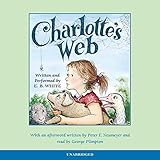
- Audible Audiobook
- E. B. White (Author) - E. B. White (Narrator)
- English (Publication Language)
- 10/24/2003 (Publication Date) - Listening Library (Publisher)
- Myth: The book’s ending is purely tragic due to Charlotte’s death.
- Why it matters: This perspective ignores the nuanced portrayal of life cycles and the concept of legacy that White carefully constructs.
- Fix: Appreciate that Charlotte’s death is presented as a natural part of life, and her sacrifice results in a positive and lasting legacy for Wilbur and her offspring. The ending emphasizes continuity and the enduring impact of love and friendship.
Decision Rules
- If reliability is your top priority for Charlotte’s Web by E. B. White, choose the option with the strongest long-term track record and support.
- If value matters most, compare total ownership cost instead of headline price alone.
- If your use case is specific, prioritize fit-for-purpose features over generic ‘best overall’ claims.
FAQ
- Q: What is the primary message of Charlotte’s Web?
- A: The novel’s primary message centers on the profound nature of friendship, loyalty, and sacrifice, while also exploring the acceptance of life’s natural cycles, including birth and death, and the concept of legacy.
- Q: Why is Charlotte’s Web considered a classic?
- A: It is considered a classic due to its masterful storytelling, relatable characters, exploration of universal themes in a sensitive manner, and E. B. White’s elegant and accessible prose that resonates with both children and adults.
- Q: Is the book appropriate for very young children?
- A: While beloved by many young children, the themes of mortality and sacrifice may require discussion and guidance from an adult reader, depending on the child’s maturity and sensitivity.
Key Themes in Charlotte’s Web by E. B. White
E. B. White masterfully weaves complex themes into the seemingly simple narrative of a pig and a spider. The most prominent is the cycle of life and death. Wilbur’s initial peril underscores mortality, while Charlotte’s eventual death and the continuation of her egg sac represent the natural progression of life. This is intertwined with the theme of friendship and loyalty. Charlotte’s dedication to Wilbur, a creature fundamentally different from her, showcases the extraordinary bonds that can form and the sacrifices made for those we care about. The novel also subtly explores communication and perception, as Charlotte’s clever wordplay in her web manipulates human understanding and saves Wilbur’s life, highlighting the power of language and ingenuity.
BLOCKQUOTE_0
Strengths and Limitations
| Strength | Description |
|---|---|
| <strong>Profound Thematic Depth</strong> | The novel tackles significant themes like life, death, friendship, and loyalty with remarkable nuance and sensitivity, making them accessible to young readers without oversimplification. |
| <strong>Elegant and Precise Prose</strong> | E. B. White’s writing style is clear, economical, and evocative. His precise language creates vivid imagery and a calm, observant tone that draws readers into the barnyard world. |
| <strong>Memorable and Well-Developed Characters</strong> | Wilbur, the innocent pig, and Charlotte, the wise spider, are iconic. Their relationship is the heart of the story, and even secondary characters like Templeton the rat are distinct and serve thematic purposes. |
| <strong>Emotional Resonance</strong> | The book elicits genuine emotional responses, from the fear of Wilbur’s fate to the sadness of Charlotte’s passing, and ultimately, a sense of peace and continuity. |
| <strong>Enduring Literary Merit</strong> | Its sophisticated exploration of complex themes and its masterful use of language have cemented its place as a significant work in children’s literature, offering layers of meaning for readers of all ages. |
| <strong>Limitation</strong> | <strong>Pacing for Modern Readers:</strong> Some contemporary young readers, accustomed to faster-paced narratives, might find the initial chapters’ detailed descriptions and slower build-up less immediately engaging. |
| <strong>Limitation</strong> | <strong>Subtlety of Themes:</strong> While a strength for adult appreciation, the deeper philosophical implications regarding mortality and the nature of existence might be missed or only partially grasped by very young children without adult guidance. |
Expert Tips for Appreciating Charlotte’s Web
1. Focus on Charlotte’s Agency: Observe how Charlotte, despite her physical limitations as a spider, actively shapes events through her intelligence and communication.
- Actionable Step: Analyze Charlotte’s dialogue and the specific words she chooses for her web. Note how these choices directly influence the humans’ actions.
- Common Mistake to Avoid: Viewing Charlotte’s actions as purely instinctual or magical, rather than a deliberate and strategic application of her unique abilities.
2. Recognize the Narrative’s Unflinching Honesty: E. B. White does not shy away from the realities of life and death, presenting them with a calm, matter-of-fact tone.
- Actionable Step: Pay attention to how White describes the natural order of the barnyard, including the inevitability of change and loss.
- Common Mistake to Avoid: Expecting a consistently “happy” narrative devoid of sorrow or the acknowledgement of mortality, which would undermine the book