Understanding Desiring God By John Piper
Quick Answer
- Core Thesis: John Piper’s Desiring God posits that the ultimate human purpose is to glorify God by finding supreme joy and satisfaction in Him.
- Central Concept: Christian Hedonism is defined not as selfish pleasure-seeking, but as the pursuit of ultimate delight in God, which in turn magnifies His worth.
- Impact: The book aims to reorient a reader’s motivations, demonstrating how finding one’s greatest joy in God is the most God-honoring and fulfilling pursuit.
Who This Is For
- Individuals seeking a theological framework that integrates personal joy with the worship of God.
- Readers interested in understanding John Piper’s concept of “Christian Hedonism” and its biblical and practical implications.
What to Check First
- Author’s Theological Framework: John Piper’s work is deeply rooted in Reformed theology, emphasizing God’s sovereignty and glory. Understanding this context is crucial for grasping his arguments.
- Definition of “Christian Hedonism”: Verify Piper’s precise definition. It is not about pursuing pleasure for its own sake, but about finding ultimate pleasure in God as the supreme good.
- Scriptural Foundation: Piper heavily relies on biblical exegesis. Review key passages he cites (e.g., Psalms, New Testament teachings) to understand the textual basis for his claims.
- Distinction from Secular Hedonism: Note how Piper differentiates his concept from worldly hedonism, which seeks satisfaction in created things rather than the Creator.
- Potential for Misinterpretation: The term “hedonism” can be misleading. Be aware of how Piper addresses potential misunderstandings and defends his use of the term within a Christian context.
Step-by-Step Plan to Engaging with Desiring God by John Piper
1. Establish God’s Supreme Worth:
- Action: Read the initial chapters that lay the groundwork for God’s ultimate value and sovereignty in all of existence.
- What to Look For: Piper’s argument that God’s glory is the highest possible aim and that true human flourishing is found in acknowledging this supreme worth.
- Mistake: Focusing solely on achieving personal happiness without first grounding it in the supreme value and worth of God as its source.
2. Grasp the Definition of Christian Hedonism:
- Action: Carefully study Piper’s explanation and defense of “Christian Hedonism.”
- What to Look For: The core proposition that seeking and finding joy in God is not selfish but is the most effective way to honor Him by displaying His attractiveness.
- Mistake: Confusing Christian Hedonism with secular hedonism, thereby misinterpreting its theological foundation and its God-centered objective.
3. Analyze the Link Between Joy and God’s Glory:
- Action: Identify how Piper connects individual joy in God to the glorification of God.
- What to Look For: The concept that a person experiencing profound joy in God serves as a more potent testament to God’s worth and attractiveness than one who merely acts out of obligation.
- Mistake: Viewing the glorification of God as an external activity separate from the internal, heartfelt enjoyment and satisfaction derived from Him.
4. Examine Practical Applications:
- Action: Review the sections discussing the application of Christian Hedonism to daily life, suffering, worship, and evangelism.
- What to Look For: Concrete examples and reasoning for how to pursue God-centered joy across various life circumstances, including periods of hardship.
- Mistake: Treating the book as purely theoretical without considering or attempting to implement its principles in personal experience and daily living.
5. Engage with Counterarguments and Nuances:
- Action: Pay close attention to sections where Piper addresses potential objections or clarifies his arguments, especially concerning self-denial and suffering.
- What to Look For: Piper’s reasoned responses to biblical passages or theological viewpoints that might appear to contradict his thesis, demonstrating a robust engagement with opposing ideas.
- Mistake: Dismissing the book’s central thesis without thoroughly grappling with its internal logic, its scriptural exegesis, and its engagement with potential counter-interpretations.
6. Synthesize and Apply to Personal Desires:
- Action: Reflect on how the principles of Desiring God can inform and reorient your own desires and spiritual pursuits.
- What to Look For: Specific areas where personal desires may be misaligned with God’s supreme worth and how to intentionally reorient them towards Him.
- Mistake: Reading the book passively without engaging in intentional self-examination and applying its core message to one’s own motivations and desires.
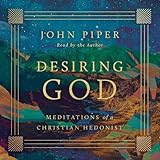
- Audible Audiobook
- John Piper (Author) - John Piper (Narrator)
- English (Publication Language)
- 09/09/2025 (Publication Date) - Crossway (Publisher)
Common Mistakes When Reading Desiring God by John Piper
- Mistake: Misinterpreting “Christian Hedonism” as selfish pursuit of pleasure.
- Why it Matters: This fundamental misunderstanding leads to viewing the book’s core message as unbiblical or self-centered, missing its emphasis on God’s supreme worth as the ultimate object of joy.
- Fix: Focus on Piper’s consistent linkage of personal joy to the glorification of God. Understand that true joy is found in Him and serves to demonstrate His attractiveness and supreme value.
- Mistake: Treating the book as a superficial self-help guide for happiness.
- Why it Matters: Desiring God is a theological treatise. Framing it as merely a happiness manual bypasses its deep theological arguments about God’s sovereignty, the nature of worship, and the biblical understanding of joy.
- Fix: Engage with the theological arguments and biblical exegesis. Understand that happiness is a byproduct of rightly valuing and pursuing God, not the primary goal in itself.
- Mistake: Ignoring the extensive biblical exposition.
- Why it Matters: Piper’s arguments are built upon a thorough engagement with Scripture. Skipping this weakens the understanding of his conclusions and their foundation, leading to superficial engagement.
- Fix: Read the biblical passages Piper cites and consider his interpretations within their immediate context. Evaluate his exegesis critically to grasp the foundation of his claims.
- Mistake: Applying the concept of “joy” superficially.
- Why it Matters: True Christian joy, as presented by Piper, is often forged in trials and is distinct from fleeting emotional highs. Superficial application can lead to disappointment when life circumstances are difficult.
- Fix: Recognize that Piper discusses a deep, abiding joy rooted in God’s character and promises, which can coexist with suffering and is sustained by faith, not merely by favorable circumstances.
Understanding Desiring God By John Piper: A Theological Examination
John Piper’s seminal work, Desiring God, presents a robust theological argument for what he terms “Christian Hedonism.” This perspective posits that the ultimate purpose of humanity is to glorify God by finding our supreme satisfaction in Him. Piper challenges the common dichotomy between duty and delight in Christian living, asserting that the two are inextricably linked. He argues that the most profound way to honor God is to experience and express the greatest joy possible in His presence and His character.
The book’s central thesis is that God is most glorified in us when we are most satisfied in Him. This is not a call to selfish pleasure-seeking, but rather a profound redirection of desire toward the ultimate good. Piper meticulously unpacks this concept through extensive biblical exposition, drawing from a wide range of Scripture to build his case. He contends that true Christian living is not a grim adherence to rules, but a vibrant pursuit of God as the source of all true joy.
The Core of Christian Hedonism
At the heart of Desiring God lies the principle that God’s glory is magnified when His people find their deepest joy in Him. Piper’s argument is that a person who is genuinely happy in God, who delights in His attributes and His promises, serves as a living testament to God’s worth. This joy is not merely an emotional state but a deep-seated contentment and satisfaction rooted in one’s relationship with the Creator.
BLOCKQUOTE_0
This foundational statement underscores the importance Piper places on the synergy between God’s glory and human enjoyment of Him.
Expert Tips for Engaging with Desiring God
- Tip 1: Prioritize God’s Worth Above Personal Feelings.
- Action: When reading about joy, consistently ask yourself: “Is this joy directed towards God and reflecting His worth, or is it primarily about my own comfort?”
- Common Mistake to Avoid: Focusing on the feeling of joy as the primary indicator of spiritual health, rather than the object of that joy being God’s supreme worth.
- Tip 2: Wrestle with the Concept of “Suffering Joy.”
- Action: Actively seek out and analyze chapters discussing joy in the midst of trials and suffering, paying close attention to the biblical support Piper provides.
- Common Mistake to Avoid: Dismissing Piper’s claims about joy in suffering as unrealistic or overly idealistic without thoroughly examining his theological and scriptural reasoning for its possibility.
- Tip 3: Distinguish Between “Wanting” and “Lusting.”
- Action: Pay close attention to Piper’s nuanced definitions of desire, particularly his distinction between healthy, God-centered desires and unhealthy, all-consuming lusts.
- Common Mistake to Avoid: Equating all strong desires with “lust,” which can lead to an unnecessary suppression of God-given desires for Him and His kingdom.
Key Tenets and Their Implications
Piper’s work systematically builds a case for Christian Hedonism through several interconnected tenets:
- The Sovereignty of God: Piper begins by establishing God’s absolute rule over all things
Quick Comparison
| Option | Best for | Pros | Watch out |
|---|---|---|---|
| Quick Answer | General use | Core Thesis: John Piper’s Desiring God posits that the ultimate human purpo… | Mistake: Focusing solely on achieving personal happiness without first ground… |
| Who This Is For | General use | Central Concept: Christian Hedonism is defined not as selfish pleasure-seekin… | Mistake: Confusing Christian Hedonism with secular hedonism, thereby misinter… |
| What to Check First | General use | Impact: The book aims to reorient a reader’s motivations, demonstrating how f… | Mistake: Viewing the glorification of God as an external activity separate fr… |
| Step-by-Step Plan to Engaging with Desiring God by John Piper | General use | Individuals seeking a theological framework that integrates personal joy with… | Mistake: Treating the book as purely theoretical without considering or attem… |
Decision Rules
- If reliability is your top priority for Desiring God by John Piper, choose the option with the strongest long-term track record and support.
- If value matters most, compare total ownership cost instead of headline price alone.
- If your use case is specific, prioritize fit-for-purpose features over generic ‘best overall’ claims.