Tsitsi Dangarembga’s This Mournable Body: A Powerful Novel
This Mournable Body by Tsitsi Dangarembga: Quick Answer
- “This Mournable Body” by Tsitsi Dangarembga offers a profound, albeit challenging, exploration of post-colonial disillusionment and the psychological toll of systemic oppression.
- The novel is best suited for readers seeking dense, character-driven narratives that grapple with complex social and political themes.
- Readers anticipating a straightforward plot or optimistic resolution may find the novel’s introspective and often bleak tone difficult.
Who This Is For
- Readers interested in contemporary African literature and its engagement with post-colonial legacies.
- Those who appreciate literary fiction that delves deeply into the internal struggles of its characters and critiques societal structures.
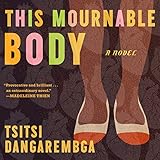
- Audible Audiobook
- Tsitsi Dangarembga (Author) - Adenrele Ojo (Narrator)
- English (Publication Language)
- 08/07/2018 (Publication Date) - HighBridge, a division of Recorded Books (Publisher)
What to Check First
- Author’s Previous Work: This novel is the third in a trilogy following “Nervous Conditions” (1988) and “The Book of Not” (2006). While it can be read independently, understanding the preceding narratives, particularly Tambudzai’s journey, enriches the reading experience.
- Thematic Density: Be prepared for a narrative that prioritizes psychological depth and social commentary over rapid plot progression. Themes of shame, self-loathing, and the search for identity are central.
- Narrative Perspective: The story is told from the first-person perspective of Tambudzai, whose internal monologue is extensive and often fraught with anxiety and self-doubt. This can be a barrier for some readers.
- Zimbabwean Context: Familiarity with the sociopolitical and economic landscape of Zimbabwe during the period depicted is beneficial for a deeper understanding of the novel’s themes.
Step-by-Step Plan: Engaging with This Mournable Body
1. Familiarize Yourself with the Context: Before beginning, read a brief overview of the political and economic climate of Zimbabwe during the period the novel is set.
- Action: Read a short historical summary of Zimbabwe’s post-independence challenges.
- What to Look For: Understanding the backdrop of national disillusionment and economic hardship will illuminate Tambudzai’s personal struggles.
- Mistake to Avoid: Assuming the novel is solely a personal drama without acknowledging its sociopolitical commentary.
2. Approach with Patience: Recognize that the novel’s pace is deliberate, focusing on Tambudzai’s internal state and her observations of the world around her.
- Action: Commit to a reading pace that allows for reflection on Tambudzai’s thoughts and feelings.
- What to Look For: The gradual unfolding of Tambudzai’s psychological deterioration and her attempts to navigate a society that offers her little agency.
- Mistake to Avoid: Expecting immediate plot resolutions or clear-cut answers to Tambudzai’s problems.
3. Engage with Tambudzai’s Inner Monologue: Pay close attention to Tambudzai’s thoughts, anxieties, and rationalizations. This is where the novel’s core themes reside.
- Action: Annotate or highlight passages that reveal Tambudzai’s internal conflicts and self-perceptions.
- What to Look For: The recurring motifs of shame, the desire for respectability, and the internal conflict between her aspirations and her perceived reality.
- Mistake to Avoid: Dismissing Tambudzai’s internal struggles as mere navel-gazing; they are crucial to understanding the novel’s critique of internalized oppression.
4. Analyze Symbolic Encounters: Note the significance of Tambudzai’s interactions with other characters, particularly those representing different facets of societal expectations or power structures.
- Action: Keep a character list and note the function of each significant encounter in relation to Tambudzai’s development.
- What to Look For: How characters like her aunt, her former mentors, and potential romantic interests reflect or challenge Tambudzai’s self-perception.
- Mistake to Avoid: Reading character interactions as purely plot-driven events rather than symbolic representations of larger social forces.
5. Consider the Novel’s Title: Reflect on the meaning of “mournable body” in relation to Tambudzai’s physical and psychological state, as well as the broader implications for a post-colonial nation.
- Action: Dedicate time after reading to contemplate the title’s multifaceted meaning.
- What to Look For: The ways in which Tambudzai feels her existence is devalued and how this mirrors a collective societal experience.
- Mistake to Avoid: Focusing solely on the literal meaning of “body” without considering its metaphorical weight in the context of trauma and identity.
6. Synthesize Themes: After reading, take time to connect the individual elements of Tambudzai’s story to the overarching themes of disillusionment, identity, and the legacy of colonialism.
- Action: Write a short summary or reflection connecting Tambudzai’s personal journey to the novel’s broader social critique.
- What to Look For: The interconnectedness of personal failure and systemic issues; the elusive nature of freedom and success in a post-colonial context.
- Mistake to Avoid: Isolating Tambudzai’s struggles as purely individual failings, thereby missing the novel’s broader critique.
This Mournable Body by Tsitsi Dangarembga: A Deeper Look
This Mournable Body by Tsitsi Dangarembga continues the narrative arc of Tambudzai, the protagonist from her earlier works “Nervous Conditions” and “The Book of Not.” Set in contemporary Zimbabwe, the novel plunges the reader into Tambudzai’s increasingly desperate search for dignity and belonging in a nation grappling with economic hardship and political disillusionment. Dangarembga masterfully portrays the psychological toll of living under systemic pressure, where personal worth becomes inextricably linked to external validation and material success. The narrative’s strength lies in its unflinching examination of shame, self-loathing, and the corrosive effects of internalized oppression, offering a potent counterpoint to triumphant post-colonial narratives.
The novel’s thematic core revolves around Tambudzai’s yearning for a respectable life, a desire that becomes a source of profound anxiety and moral compromise. As she navigates job rejections, social pressures, and her own insecurities, her sense of self erodes. Dangarembga’s prose is precise, often clinical, mirroring Tambudzai’s internal state. The narrative eschews easy answers, instead offering a stark portrayal of a woman caught in a suffocating social and economic environment. The “mournable body” of the title refers not only to Tambudzai’s physical and emotional suffering but also to the collective trauma of a nation whose promise has been deferred. This focus on the internal landscape makes the novel a powerful, if demanding, exploration of what it means to exist when societal structures offer little solace or support.
Common Myths About This Mournable Body
- Myth: The novel is a straightforward story of overcoming adversity.
- Evidence: The narrative arc of Tambudzai does not follow a conventional triumphant trajectory. Instead, her attempts to achieve “respectability” often lead to further internal conflict and moral compromise.
- Why it Matters: This assumption sets up an expectation for a triumphant arc that the novel deliberately subverts, potentially leading to reader disappointment if this expectation is not managed.
- Correction: “This Mournable Body” is a critique of the systems that make such straightforward triumphs elusive. It focuses on the psychological and emotional cost of striving for success in a hostile environment, often leading to internal decay rather than outward victory.
- Myth: Tambudzai is solely responsible for her misfortunes.
- Evidence: The novel meticulously details the economic precarity, political corruption, and lingering effects of colonialism that create the conditions for Tambudzai’s struggles. Her actions are consistently presented as reactions to overwhelming external pressures.
- Why it Matters: This perspective overlooks the novel’s central argument about the impact of sociopolitical structures on individual lives, framing the issues as personal failings rather than systemic ones.
- Correction: While Tambudzai makes choices, the novel meticulously details how economic precarity, political corruption, and the lingering effects of colonialism create the conditions for her struggles. Her actions are often reactions to overwhelming external pressures.
- Myth: The novel offers a hopeful message about finding oneself.
- Evidence: The narrative’s conclusion is not one of clear self-discovery or resolution, but rather an ongoing struggle. The tone is often bleak, reflecting the difficult realities faced by the protagonist.
- Why it Matters: Readers seeking solace or clear paths to self-discovery might be disappointed by the novel’s bleakness and lack of easy answers.
- Correction: The novel’s “hope” lies in its honesty and its powerful articulation of a specific lived experience. It offers recognition and understanding rather than easy solutions, prompting reflection on the nature of dignity and survival.
Expert Tips for Reading This Mournable Body
- Tip: Prioritize understanding the sociopolitical context of post-independence Zimbabwe.
- Actionable Step: Read a brief article or chapter on Zimbabwe’s economic and political history from the late 20th century onwards before starting the novel. For example, resources from the Council on Foreign Relations or academic overviews of the country’s economic challenges can provide valuable background.
- Common Mistake to Avoid: Treating Tambudzai’s struggles as purely personal, thus missing the novel’s broader critique of systemic issues that shape individual destinies.
- Tip: Embrace the ambiguity and lack of clear resolution.
- Actionable Step: Focus on the psychological journey and thematic exploration rather than searching for a definitive plot conclusion. Recognize that Dangarembga’s style intentionally mirrors the unresolved nature of many post-colonial struggles.
- Common Mistake to Avoid: Becoming frustrated by the absence of neat endings, which is a deliberate stylistic choice by the author to reflect the ongoing nature of Tambudzai’s predicaments and the societal issues at play
Quick Comparison
| Option | Best for | Pros | Watch out |
|---|---|---|---|
| This Mournable Body by Tsitsi Dangarembga Quick Answer | General use | “This Mournable Body” by Tsitsi Dangarembga offers a profound, albeit challen… | Mistake to Avoid: Assuming the novel is solely a personal drama without ackno… |
| Who This Is For | General use | The novel is best suited for readers seeking dense, character-driven narrativ… | Mistake to Avoid: Expecting immediate plot resolutions or clear-cut answers t… |
| What to Check First | General use | Readers anticipating a straightforward plot or optimistic resolution may find… | Mistake to Avoid: Dismissing Tambudzai’s internal struggles as mere navel-gaz… |
| Step-by-Step Plan Engaging with This Mournable Body | General use | Readers interested in contemporary African literature and its engagement with… | Mistake to Avoid: Reading character interactions as purely plot-driven events… |
Decision Rules
- If reliability is your top priority for This Mournable Body by Tsitsi Dangarembga, choose the option with the strongest long-term track record and support.
- If value matters most, compare total ownership cost instead of headline price alone.
- If your use case is specific, prioritize fit-for-purpose features over generic ‘best overall’ claims.