True Crime: The Onion Field by Joseph Wambaugh
Quick Answer
- The Onion Field by Joseph Wambaugh is a seminal true crime work that meticulously dissects the psychological impact of a brutal kidnapping and murder.
- It is essential reading for those interested in the deep psychological profiles of criminals and victims, and the lasting effects of trauma.
- Readers seeking a fast-paced thriller might find its deliberate, analytical pacing less engaging, though its depth offers significant insight into human behavior.
Who This Is For
- Readers interested in the psychological dimensions of crime, focusing on the motivations of perpetrators and the enduring trauma experienced by victims.
- Individuals who value meticulously researched narratives grounded in factual reporting and offer an insider’s perspective on law enforcement realities.
What to Check First
- Author’s Background: Joseph Wambaugh’s extensive career as an LAPD detective provides unparalleled authenticity and insight into police procedures and the criminal justice system.
- The Core Event: The book details the 1963 kidnapping of LAPD officers Ian Campbell and Karl Hettinger by Gregory Ulas Powell and Jimmy Smith, leading to Campbell’s murder.
- Narrative Approach: Wambaugh combines journalistic rigor with deep psychological character studies, prioritizing realism and emotional truth over sensationalism.
- Genre Impact: The Onion Field is widely regarded as a foundational text that elevated the true crime genre through its depth, detail, and humanistic focus.
Step-by-Step Plan for Engaging with The Onion Field
This structured approach ensures a thorough understanding of The Onion Field by Joseph Wambaugh, highlighting key elements and potential misinterpretations.
For those seeking a profound exploration of criminal psychology and the enduring effects of trauma, Joseph Wambaugh’s ‘The Onion Field’ is an absolute must-read. It offers unparalleled insight into the minds of both perpetrators and victims.
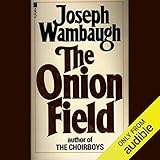
- Audible Audiobook
- Joseph Wambaugh (Author) - Jonathan Davis (Narrator)
- English (Publication Language)
- 02/23/2010 (Publication Date) - Audible Studios (Publisher)
1. Establish Historical Context: Understand the book’s publication (1973) and the events’ timeline (1963). Recognize that law enforcement practices, legal frameworks, and societal attitudes were distinct during that era.
- Action: Research the socio-political climate of the early 1960s in the United States.
- What to Look For: How prevailing societal norms and police procedures of the time may have influenced the investigation and the characters’ responses.
- Mistake to Avoid: Evaluating historical actions or procedures solely through a contemporary lens without acknowledging the specific context of the period.
2. Analyze Character Psychology: Wambaugh dedicates significant attention to dissecting the minds of both the perpetrators and the victims, focusing on their psychological profiles.
- Action: Identify and document key psychological traits of Gregory Ulas Powell (e.g., sociopathy) and Jimmy Smith, alongside the distinct reactions of Officers Campbell and Hettinger during their captivity.
- What to Look For: Internal monologues, behavioral descriptions, and Wambaugh’s explicit analyses of their mental states.
- Mistake to Avoid: Overlooking psychological details, which are central to the book’s impact and Wambaugh’s thesis on criminal behavior and trauma.
3. Examine Police Procedural Authenticity: Leverage Wambaugh’s insider knowledge by focusing on the investigative processes, challenges faced by law enforcement, and internal LAPD dynamics.
- Action: Note the methods employed in the manhunt, the legal strategies utilized, and any internal critiques of the police response.
- What to Look For: Realistic portrayal of investigative legwork, inter-departmental communication, and the justice system’s engagement with the case.
- Mistake to Avoid: Underestimating procedural details as mere background; they are critical for understanding the narrative’s realism and potential systemic commentary.
4. Deconstruct Trauma and Survival: The book deeply explores the long-term psychological impact on the surviving officer, Karl Hettinger.
- Action: Track Hettinger’s post-event life, focusing on his struggles with PTSD, reintegration difficulties, and the enduring effects of trauma.
- What to Look For: Descriptions of his internal conflicts, career challenges, and how the event continued to shape his life.
- Mistake to Avoid: Perceiving Hettinger’s survival as a simple resolution; the narrative emphasizes profound and lasting psychological scars.
5. Appreciate Narrative Craft: Recognize how Wambaugh balances factual reporting with compelling storytelling to create a vivid and disturbing experience.
- Action: Analyze his use of dialogue, descriptive passages, and pacing to build tension and convey emotional weight.
- What to Look For: Stark, unvarnished language and a deliberate, documentary-like unfolding of the narrative.
- Mistake to Avoid: Expecting a conventional thriller’s fast pace; the book’s power derives from its methodical and detailed approach.
6. Evaluate Ethical and Societal Commentary: Reflect on the moral questions raised concerning evil, justice, and societal factors contributing to crime.
- Action: Consider Wambaugh’s implicit critique of the justice system and his exploration of societal conditions influencing criminal behavior.
- What to Look For: Nuances in the portrayal of justice, individual responsibility, and the broader societal context.
- Mistake to Avoid: Concentrating solely on the crime’s sensational aspects and overlooking deeper ethical and societal dimensions.
The Onion Field by Joseph Wambaugh: A True Crime Masterpiece
The Onion Field by Joseph Wambaugh stands as a landmark achievement in true crime literature, distinguished by its profound psychological introspection and unvarnished realism. Wambaugh, drawing from his extensive experience as an LAPD detective, transforms a harrowing 1963 kidnapping and murder into a deep examination of human nature under extreme duress. The narrative’s power emanates from its unflinching gaze, avoiding sensationalism while immersing the reader in the terror experienced and the enduring consequences. This work serves as a critical study of criminal behavior, the psychological toll of violence, and the complex realities faced by law enforcement, solidifying its place as essential reading for those seeking depth and authenticity.
Understanding The Onion Field by Joseph Wambaugh Through its Themes
Joseph Wambaugh’s meticulous research and insider perspective are the bedrock of The Onion Field. The book recounts the kidnapping of LAPD officers Ian Campbell and Karl Hettinger by Gregory Ulas Powell and Jimmy Smith, detailing the brutal murder of Officer Campbell. However, the work transcends a mere recounting of events by delving into the psychological landscapes of those involved. Wambaugh meticulously explores the sociopathic tendencies of Powell and the profound, life-altering trauma experienced by the surviving officer, Karl Hettinger. This detailed examination of the psychological fallout makes The Onion Field a crucial text for understanding not only the mechanics of crime but also its deep and lasting human impact.
Common Myths and Misconceptions
- Myth: The Onion Field is primarily a procedural police novel focused on solving the crime.
- Evidence: While police work is depicted, Wambaugh’s emphasis is overwhelmingly on the psychological aftermath and the internal lives of the individuals. The book spends significant pages detailing Officer Hettinger’s struggles post-trauma and the perpetrators’ motivations.
- Correction: Recognize the book as a psychological study first and foremost, with the procedural elements serving to frame the human drama.
- Myth: The narrative offers a clear-cut hero-villain dynamic.
- Evidence: Wambaugh’s portrayal is nuanced. While Powell is depicted as a dangerous sociopath, the book also explores the complexities of Hettinger’s post-traumatic stress, which impacts his life in ways that complicate simple victimhood.
- Correction: Approach the characters with an understanding that Wambaugh explores the shades of gray in human behavior, even in the face of extreme violence.
- Myth: The book is a straightforward, fast-paced thriller.
- Evidence: Wambaugh’s writing style is deliberate and detailed, focusing on character development and atmosphere. The pacing is often slow and methodical, mirroring the painstaking nature of investigations and the lingering effects of trauma.
- Correction: Engage with the book expecting a deep, analytical read rather than a high-octane action narrative. Patience is rewarded with profound insight.
Expert Tips for Reading The Onion Field
- Tip 1: Prioritize Psychological Analysis.
- Action: Actively seek out and analyze Wambaugh’s descriptions of the characters’ internal states, motivations, and psychological reactions to events.
- Mistake to Avoid: Reading through the psychological insights as mere exposition; these are the core of the book’s contribution to understanding criminal behavior and trauma.
- Tip 2: Contextualize Police Procedures.
- Action: Pay attention to the details of the investigation and legal proceedings, understanding them as reflections of the era and Wambaugh’s insider perspective.
- Mistake to Avoid: Dismissing the procedural elements as dry or irrelevant; they provide crucial authenticity and context for the events and the justice system’s response.
- Tip 3: Understand the Metaphorical Weight of the Title.
- Action: Consider how the title “The Onion Field” relates not just to the literal location but also to the layered nature of the psychological complexities Wambaugh explores.
- Mistake to Avoid: Interpreting the title solely as a geographical reference, thus missing the deeper thematic implications of peeling back layers of human behavior and trauma.
BLOCKQUOTE_0
Comparison Table: True Crime Narratives
| Feature | The Onion Field by Joseph Wambaugh | In Cold Blood by Truman Capote | Helter Skelter by Vincent Bugliosi |
|---|---|---|---|
| Focus | Psychological impact, trauma | Character study, societal context | Legal defense, narrative of events |
| Author’s Role | Investigator, interpreter | Narrator, observer | Prosecutor, participant |
| Pacing | Deliberate, detailed | Literary, immersive | Procedural, investigative |
Decision Rules
- If reliability is your top priority for The Onion Field by Joseph Wambaugh, choose the option with the strongest long-term track record and support.
- If value matters most, compare total ownership cost instead of headline price alone.
- If your use case is specific, prioritize fit-for-purpose features over generic ‘best overall’ claims.