Toni Morrison’s Song of Solomon: Themes and Symbolism
This analysis delves into the intricate thematic landscape and potent symbolism within Toni Morrison’s Song of Solomon, providing a structured approach for readers to engage with its complexities.
Quick Answer
- Song of Solomon by Toni Morrison explores themes of identity, heritage, and the African American experience through rich symbolism, particularly flight and naming.
- Readers seeking a deep understanding of American literature and the complexities of Black identity will find this novel rewarding.
- A failure mode for readers is overlooking the interconnectedness of myth and reality, leading to a fragmented interpretation of the narrative.
Who This Is For
- Readers interested in literary analysis of African American literature and the works of Toni Morrison.
- Students and scholars examining themes of identity, ancestry, and cultural heritage in American fiction.
What to Check First
- The Significance of Names: Pay close attention to how characters’ names are given, chosen, or rejected, as they often reflect identity and lineage. For example, Milkman’s journey begins with his given name, Macon Dead III, and evolves as he seeks a more meaningful connection to his past.
- The Symbolism of Flight: The recurring motif of flight, both literal and metaphorical, is central to the novel’s exploration of freedom, escape, and the yearning for ancestral origins. Consider the myths of the flying Africans.
- The Interplay of Myth and Reality: Morrison masterfully blends folklore, myth, and historical reality. Recognize that the fantastical elements are often grounded in the psychological and social realities of the characters.
- Character Motivations: Understand the driving forces behind characters like Milkman Dead, Pilate, and Guitar. Their desires for wealth, belonging, and justice shape the narrative’s trajectory.
Step-by-Step Plan for Analyzing Song of Solomon by Toni Morrison
1. Identify Initial Character Naming and its Implications:
- Action: Note the names of key characters upon their introduction, especially Milkman (Macon Dead III), his father (Macon Dead Jr.), and his aunt (Pilate).
- What to Look For: Observe the practicality or absurdity of these names and how they are perceived by the characters and their community.
- Mistake: Assuming names are purely arbitrary or decorative, rather than symbolic markers of identity and imposed history.
For a comprehensive understanding of Toni Morrison’s masterpiece, consider diving directly into the novel itself. Song of Solomon is a rich tapestry of identity, heritage, and the African American experience, woven with potent symbolism.
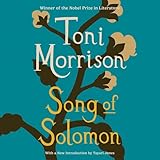
- Audible Audiobook
- Toni Morrison (Author) - Toni Morrison, Karen Murray (Narrators)
- English (Publication Language)
- 09/12/2017 (Publication Date) - Random House Audio (Publisher)
2. Track the Development of Milkman’s Identity:
- Action: Follow Milkman’s journey from his childhood in Michigan to his ancestral home in rural Virginia.
- What to Look For: Observe his evolving understanding of himself, his family history, and his place in the world as he uncovers secrets and confronts his heritage.
- Mistake: Focusing solely on Milkman’s external quest for gold and ignoring his internal transformation and search for ancestral connection.
3. Analyze the Recurring Symbolism of Flight:
- Action: Note every instance where flight or the idea of flying is mentioned or depicted.
- What to Look For: Consider the different contexts of flight: the mythical flying Africans, the desire for escape, the literal act of flying, and the symbolic freedom from oppression.
- Mistake: Dismissing the flight motif as purely fantastical, without connecting it to themes of liberation and the African diaspora’s spiritual heritage.
4. Examine the Role of Myth and Folklore:
- Action: Identify specific myths, legends, and folktales referenced in the novel, such as the story of Solomon.
- What to Look For: Understand how these narratives inform the characters’ beliefs, actions, and understanding of their past.
- Mistake: Separating the mythical elements from the novel’s social and historical context, failing to see them as integral to the characters’ psychological realities.
5. Investigate the Theme of Ancestry and Heritage:
- Action: Trace the genealogical lines and family histories presented throughout the novel.
- What to Look For: Observe how the characters grapple with their inherited past, both its burdens and its strengths, and how this influences their present.
- Mistake: Viewing family history as a static entity, rather than a dynamic force that shapes individual and collective identity.
6. Deconstruct the Symbolism of the South:
- Action: Analyze the portrayal of rural Virginia as Milkman’s ancestral homeland.
- What to Look For: Consider how the South represents a place of both trauma and rootedness, a site of historical oppression but also the origin of familial and cultural identity.
- Mistake: Interpreting the Southern setting solely as a backdrop for the plot, without appreciating its symbolic weight in the characters’ search for origin.
7. Evaluate the Novel’s Conclusion:
- Action: Reflect on Milkman’s final actions and understanding at the novel’s end.
- What to Look For: Assess whether Milkman has achieved true freedom or understanding, and what the final moments signify about his journey.
- Mistake: Expecting a definitive, neatly tied-up resolution, and overlooking the nuanced, often ambiguous, nature of Milkman’s transformation.
Common Myths About Song of Solomon by Toni Morrison
- Myth: The novel is primarily about a man searching for buried treasure.
- Why it Matters: This reduces the narrative to a simplistic adventure story, ignoring the deeper exploration of identity, heritage, and the African American experience.
- Fix: Recognize that Milkman’s quest for gold is a catalyst for his actual journey: the search for his ancestral roots and self-understanding. The “treasure” is metaphorical.
- Myth: The flying African myth is purely fantastical and disconnected from reality.
- Why it Matters: This overlooks how Morrison uses folklore to represent the profound psychological and spiritual yearning for freedom and connection to ancestral pasts within the context of slavery and oppression.
- Fix: Understand the myth as a powerful symbol of resilience, escape, and the desire to reclaim a lost heritage, deeply interwoven with the characters’ lived experiences.
Quick Comparison
| Option | Best for | Pros | Watch out |
|---|---|---|---|
| Quick Answer | General use | <em>Song of Solomon</em> by Toni Morrison explores themes of identity, heritage, and… | Mistake: Assuming names are purely arbitrary or decorative, rather than symbo… |
| Who This Is For | General use | Readers seeking a deep understanding of American literature and the complexit… | Mistake: Focusing solely on Milkman’s external quest for gold and ignoring hi… |
| What to Check First | General use | A failure mode for readers is overlooking the interconnectedness of myth and… | Mistake: Dismissing the flight motif as purely fantastical, without connectin… |
| Step-by-Step Plan for Analyzing Song of Solomon by Toni Morrison | General use | Readers interested in literary analysis of African American literature and th… | Mistake: Separating the mythical elements from the novel’s social and histori… |
Decision Rules
- If reliability is your top priority for Song of Solomon by Toni Morrison, choose the option with the strongest long-term track record and support.
- If value matters most, compare total ownership cost instead of headline price alone.
- If your use case is specific, prioritize fit-for-purpose features over generic ‘best overall’ claims.
FAQ
- Q: What is the central conflict in Song of Solomon?
- A: The central conflict is Milkman Dead’s internal struggle to reconcile his inherited identity and familial history with his desire for self-discovery and freedom from societal and personal constraints.
- Q: How does the symbolism of flight relate to the novel’s themes?
- A: Flight symbolizes liberation, escape from oppression, the yearning for ancestral origins, and spiritual transcendence. It connects the mythical past of the flying Africans to the characters’ present-day struggles for freedom and identity.
- Q: Is Song of Solomon by Toni Morrison a historical novel?
- A: While deeply rooted in the history of the African American experience, Song of Solomon is more accurately described as a literary novel that uses historical context and folklore to explore universal themes of identity, family, and belonging.
- Q: What makes the naming conventions in the novel significant?
- A: The names in Song of Solomon are not arbitrary. They reflect the characters’ lineage, the historical circumstances of their ancestors (e.g., slave names), and their personal journeys of self-definition, often highlighting the disconnect between imposed identities and true selves.
- Q: How does the novel address the legacy of slavery?
- A: The novel addresses the legacy of slavery through its exploration of inherited trauma, the search for lost ancestry, the impact of slave names on identity, and the ongoing struggle for freedom and self-determination among African Americans.
Expert Tips for Engaging with Song of Solomon
- Tip: Actively map the genealogical connections.
- Actionable Step: Keep a running chart of characters and their relationships as you read, noting how names and family stories are passed down.
- Common Mistake to Avoid: Becoming overwhelmed by the family tree and failing to see how these connections directly inform character motivations and thematic development.
- Tip: Pay close attention to dialogue and oral traditions.
- Actionable Step: Note recurring phrases, proverbs, and the way characters recount stories, as these often carry symbolic weight and reveal cultural values.
- Common Mistake to Avoid: Dismissing informal speech or folklore as mere background color, rather than understanding it as a crucial method of knowledge transmission and cultural preservation.
- Tip: Consider the dual nature of symbols.
- Actionable Step: When encountering a symbol like flight or a specific name, consider its literal meaning and its deeper metaphorical or psychological implications within the narrative context.
- Common Mistake to Avoid: Settling on a single interpretation of a symbol, thereby missing its complexity and how it evolves throughout the novel.
BLOCKQUOTE_0
Strengths and Limitations
- Strengths:
- Thematic Depth: The novel offers a profound and nuanced exploration of identity, heritage, and the African American experience, making it a cornerstone of American literature. The intricate weaving of myth and reality, particularly evident in the symbolism of flight and naming, provides rich material for analysis.
- Character Development: Milkman’s transformation from a shallow, materialistic young man to one who grapples with his ancestral past is a compelling narrative arc. Characters like Pilate are vividly drawn and contribute significantly to the novel’s thematic resonance.
- Lyrical Prose: Morrison’s writing style is exceptionally evocative and poetic, drawing readers into the emotional and psychological landscapes of her characters. The use of language itself becomes a powerful tool for conveying meaning and cultural heritage.
- Limitations:
- Complexity of Symbolism: For readers unfamiliar with African American folklore or historical contexts, the dense symbolism and interwoven myths can be challenging to fully grasp on a first read. This can lead to a superficial understanding of the novel’s deeper messages.
- Ambiguous Resolution: The novel does not offer a neatly packaged conclusion, which may leave some readers seeking more definitive answers feeling unsatisfied. The nuanced ending requires careful consideration and interpretation.
- Pacing and Narrative Structure: While the structure is intentional, the non-linear elements and shifts in focus can occasionally disrupt the flow for readers accustomed to more straightforward narrative progression.
Reading Context and Comparison
Song of Solomon is best approached as a significant work within the post-civil rights era of American literature, building upon and diverging from earlier narratives of Black experience. It stands apart from more straightforward historical fiction by its profound embrace of myth and folklore as integral components of historical and psychological truth. Readers who appreciate works like Zora Neale Hurston’s Their Eyes Were Watching God for its exploration of Black female identity and cultural expression, or Gabriel García Márquez’s One Hundred Years of Solitude for its masterful use of magical realism and generational sagas, will find thematic and stylistic echoes in Morrison’s novel. Understanding the historical context of the Great Migration and the lingering impact of slavery enhances the reading experience, but Morrison’s genius lies in her ability to make these historical realities resonate through deeply personal and universally human struggles for identity and belonging.