Timothy Ferriss’s ‘The 4 Hour Body’ Guide
Quick Answer
- Experimental Framework: The 4 Hour Body by Timothy Ferriss offers a systematic, data-driven approach to achieving rapid physical transformations by treating the body as a system to be optimized.
- Actionable Protocols: The book provides specific, often unconventional, methods for weight loss, muscle gain, and improved performance, requiring meticulous tracking.
- Focus on Efficiency: Protocols are designed for maximum impact with minimal time investment, emphasizing precise execution and consistent measurement.
Who This Is For
- Individuals seeking significant, measurable improvements in body composition or physical performance within defined timeframes.
- Those who prefer an experimental, evidence-based approach to health and fitness, willing to test and adapt protocols based on personal results.
What to Check First
- Consult a Healthcare Professional: Before implementing any drastic dietary or exercise changes, especially those outlined in The 4 Hour Body, obtain medical clearance to ensure safety.
- Define Your Primary Goal: Clearly articulate whether you aim for fat loss, muscle gain, increased energy, or another specific outcome to select the most relevant protocols.
- Assess Lifestyle Compatibility: Evaluate your daily schedule, available time, and resources to determine the feasibility of adhering to the book’s demanding protocols.
- Understand Measurement Tools: Identify how you will accurately track progress, whether it’s body weight, body fat percentage, circumference measurements, or performance metrics.
Step-by-Step Plan for Implementing Protocols from The 4 Hour Body by Timothy Ferriss
This plan provides a structured method for applying the principles found within The 4 Hour Body by Timothy Ferriss.
1. Select a Specific Protocol:
- Action: Identify one primary goal from the book (e.g., rapid fat loss) and choose the corresponding protocol, such as the Slow-Carb Diet.
- Look For: Clear, detailed instructions on diet, exercise, and any recommended supplements specific to your chosen goal.
- Mistake: Attempting to combine multiple complex protocols simultaneously, which can lead to confusion and dilute effectiveness. For instance, trying to implement the fat-loss diet while also pursuing a strict muscle-gain workout without understanding their potential interactions.
2. Establish Baseline Metrics:
- Action: Before starting, meticulously record your key performance indicators. For fat loss, this typically includes body weight, body fat percentage (if measurable), and key circumference measurements (e.g., waist, hips).
- Look For: Consistent measurement tools and timing. For example, weigh yourself first thing in the morning after using the restroom, before consuming anything.
- Mistake: Inaccurate or inconsistent baseline measurements, such as weighing yourself at different times of day or using different scales, which renders progress tracking unreliable.
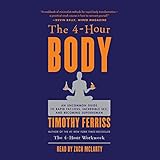
The 4-Hour Body: An Uncommon Guide to Rapid Fat-Loss, Incredible Sex, and Becoming Superhuman
- Audible Audiobook
- Timothy Ferriss (Author) - Zach McLarty (Narrator)
- English (Publication Language)
- 12/14/2010 (Publication Date) - Random House Audio (Publisher)
3. Implement Dietary Changes:
- Action: Strictly adhere to the dietary guidelines of your chosen protocol. For the Slow-Carb Diet, this means focusing on permitted food groups and rigorously avoiding restricted ones.
- Look For: A clear understanding of allowed foods (e.g., lean proteins, legumes, non-starchy vegetables) and forbidden foods (e.g., grains, dairy, fruits, processed sugars).
- Mistake: Making unauthorized substitutions or “cheating” frequently without understanding the physiological impact, thereby undermining the protocol’s intended metabolic effects.
4. Incorporate Specified Exercise Regimens:
- Action: Execute the exercise protocols as precisely outlined, focusing on intensity, frequency, and form. The book often details short, high-impact workouts.
- Look For: Detailed instructions on sets, repetitions, rest periods, and exercise selection. The “Ageless Male Workout” is an example of a protocol with specific exercise parameters.
- Mistake: Substituting exercises, reducing the intensity, or compromising form to complete workouts faster, which negates the intended stimulus for adaptation and increases injury risk.
5. Track Your Progress Meticulously:
- Action: Log your chosen metrics daily or weekly as specified. Utilize a dedicated notebook or a spreadsheet for organized data entry.
- Look For: Trends, plateaus, or unexpected deviations from your expected results.
- Mistake: Skipping tracking sessions or recording imprecise data, which prevents objective assessment of what is working and what requires adjustment.
6. Perform the “Sacrificial Day” (If Applicable):
- Action: For protocols like the Slow-Carb Diet, execute the designated “all-you-can-eat” day as prescribed.
- Look For: Adherence to the spirit of the day – consuming enjoyable foods without excessive overindulgence that leads to physical discomfort or negates previous progress.
- Mistake: Treating the sacrificial day as an unrestricted binge that undoes the metabolic benefits achieved during the week, turning a strategic reset into a setback.
7. Analyze and Adjust:
- Action: After a defined period (e.g., 2-4 weeks), review your tracked data. If results are not meeting expectations, identify potential issues based on the book’s troubleshooting advice.
- Look For: Areas where adherence may have weakened or where external factors might be influencing outcomes.
- Mistake: Abandoning the protocol prematurely or making arbitrary adjustments without a clear understanding of the cause-and-effect relationship between actions and results.
Common Mistakes When Applying The 4 Hour Body by Timothy Ferriss
- Mistake: Treating the book as rigid dogma rather than a framework for personal experimentation.
- Why it matters: The core principle is to test and adapt. Overly strict adherence without personal feedback can lead to frustration and failure.
- Fix: View each protocol as a hypothesis to test on your own body. Be prepared to adjust quantities, timing, or specific foods based on your personal response and tracked data.
- Mistake: Neglecting the importance of sleep and recovery.
- Why it matters: While the book emphasizes diet and exercise, adequate sleep is crucial for hormonal balance, muscle repair, and overall metabolic function, all of which directly impact results.
- Fix: Prioritize 7-9 hours of quality sleep per night. Establish a consistent sleep schedule and optimize your sleep environment.
- Mistake: Inconsistent measurement and tracking.
- Why it matters: Without reliable data, objective assessment of progress is impossible, hindering your ability to identify what is working or causing plateaus.
- Fix: Develop a strict routine for taking measurements (e.g., morning weight, weekly waist circumference) and logging them immediately.
- Mistake: Focusing solely on the scale and ignoring body composition.
- Why it matters: The scale does not provide a complete picture. You can lose fat and gain muscle, resulting in minimal scale change but significant improvements in body composition and appearance.
- Fix: Track multiple metrics, including body fat percentage (if feasible), circumference measurements, and how your clothes fit, in addition to weight.
- Mistake: Over-reliance on supplements without addressing foundational diet and exercise.
- Why it matters: Supplements are intended to supplement, not replace, proper nutrition and training. They are often ineffective or detrimental if the basics are not in place.
- Fix: Ensure your diet and exercise are optimized first. Thoroughly research any suggested supplements, understand their purpose, and consult a healthcare provider.
The 4 Hour Body by Timothy Ferriss: A Decision Checklist
Use this checklist to assess your readiness for the book’s approach.
- [ ] Goal Clarity: Have I clearly defined my primary physical objective (e.g., fat loss, muscle gain)?
- [ ] Experimental Mindset: Am I willing to test unconventional methods and rigorously track my results?
- [ ] Health Clearance: Have I consulted a healthcare professional about implementing new, potentially drastic, dietary or exercise plans?
- [ ] Time Commitment: Am I prepared to dedicate specific, albeit potentially short, periods to focused diet and exercise protocols?
- [ ] Data Tracking Tools: Do I have a reliable method (notebook, spreadsheet, app) for meticulously recording my progress?
- [ ] Dietary Flexibility: Am I open to significantly altering my eating habits, even if it means temporarily excluding foods I enjoy?
Quick Comparison
| Option | Best for | Pros | Watch out |
|---|---|---|---|
| Quick Answer | General use | Experimental Framework: The 4 Hour Body by Timothy Ferriss offers a systema… | Mistake: Attempting to combine multiple complex protocols simultaneously, whi… |
| Who This Is For | General use | Actionable Protocols: The book provides specific, often unconventional, metho… | Mistake: Inaccurate or inconsistent baseline measurements, such as weighing y… |
| What to Check First | General use | Focus on Efficiency: Protocols are designed for maximum impact with minimal t… | Mistake: Making unauthorized substitutions or “cheating” frequently without u… |
| Step-by-Step Plan for Implementing Protocols from The 4 Hour Body by Timothy Ferriss | General use | Individuals seeking significant, measurable improvements in body composition… | Mistake: Substituting exercises, reducing the intensity, or compromising form… |
Decision Rules
- If reliability is your top priority for The 4 Hour Body by Timothy Ferriss, choose the option with the strongest long-term track record and support.
- If value matters most, compare total ownership cost instead of headline price alone.
- If your use case is specific, prioritize fit-for-purpose features over generic ‘best overall’ claims.
FAQ
- Q: Do I need to buy specific supplements recommended in The 4 Hour Body?
- A: Not necessarily. The book suggests supplements that may enhance results for specific protocols. However, always research them, understand their purpose, and consult a healthcare provider before use. Prioritize foundational diet and exercise first.
- Q: How often should I perform the “sacrificial day” for the Slow-Carb Diet?
- A: The book typically recommends one sacrificial day per week, often on a weekend. This day is designed to provide metabolic and psychological relief. It is crucial, however, not to overindulge to the point of undoing the week’s progress.
- Q: Is The 4 Hour Body suitable for vegetarians or vegans?
- A: While the book’s dietary protocols, particularly the Slow-Carb Diet, heavily feature animal proteins, it is possible to adapt them. This requires careful planning to ensure adequate protein and nutrient intake from plant-based sources, which may involve more complex food choices and supplementation.
- Q: What is the counter-intuitive aspect of The 4 Hour Body that most articles miss?
- A: A key counter-intuitive aspect is the emphasis on strategic indulgence (the sacrificial day) as a necessary component for long-term adherence and metabolic optimization, rather than a deviation to be avoided. This is often overlooked in favor of focusing solely on restriction.
- Q: How does The 4 Hour Body differ from standard fitness advice?
- A: Standard advice often promotes gradual, sustainable changes. *The