Thomas Hardy’s The Mayor of Casterbridge: Fate and Ambition
This analysis delves into Thomas Hardy’s “The Mayor of Casterbridge,” examining its exploration of fate, ambition, and the consequences of past actions. It is designed for readers interested in classic literature, character studies, and the deterministic forces that shape human lives.
Who This Is For
- Readers who appreciate complex, morally ambiguous characters and their psychological journeys.
- Students and enthusiasts of Victorian literature, particularly the works of Thomas Hardy and his thematic concerns.
What to Check First
- The Novel’s Setting: Casterbridge, a fictional Dorset town, is more than a backdrop; it’s a character embodying tradition and societal constraints that influence the plot.
- Key Characters: Understand the motivations of Michael Henchard, the titular mayor whose life is driven by ambition and regret, and Elizabeth-Jane, whose resilience contrasts with Henchard’s impulsiveness.
- Thematic Core: The novel is a profound examination of fate versus free will, the inescapable nature of the past, and the destructive potential of pride and ambition.
The Mayor of Casterbridge by Thomas Hardy: A Closer Look
“The Mayor of Casterbridge” stands as a stark testament to Thomas Hardy’s unflinching gaze upon the human behavior. The novel chronicles the rise and fall of Michael Henchard, a man whose impulsive sale of his wife and child at a young age sets in motion a chain of events that ultimately leads to his ruin. Hardy masterfully weaves a narrative where societal pressures, personal flaws, and an almost palpable sense of fate conspire against his protagonist. The story is not simply about a man’s ambition; it’s a deep dive into the psychological toll of guilt, the crushing weight of reputation, and the often-unseen forces that dictate human destiny. The stark, often bleak, landscape of Wessex mirrors the internal struggles of its characters, making “The Mayor of Casterbridge” a powerful, if challenging, reading experience.
For those looking to dive into this classic, Thomas Hardy’s ‘The Mayor of Casterbridge’ is an essential read that masterfully explores the destructive potential of ambition and the inescapable nature of the past.
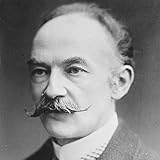
- Audible Audiobook
- Thomas Hardy (Author) - Simon Vance (Narrator)
- English (Publication Language)
- 03/19/2010 (Publication Date) - Tantor Audio (Publisher)
Step-by-Step Plan for Understanding The Mayor of Casterbridge
1. Initial Character Assessment: Observe Michael Henchard’s initial impulsive act of selling his wife, Susan, at the Weymouth market.
- What to look for: The desperation and resignation in both Henchard and Susan, hinting at the societal and economic pressures of the era.
- Mistake: Viewing Henchard solely as a villain from the outset, rather than a product of his circumstances and immaturity.
2. The Return and Rise: Trace Henchard’s return to Casterbridge and his subsequent ascent to the position of Mayor.
- What to look for: The contrast between his past and present success, and the underlying anxiety that his past will resurface.
- Mistake: Underestimating the fragility of his success, built upon a foundation of secrecy.
3. The Re-emergence of the Past: Analyze the impact of Newson’s arrival and the revelation of Susan’s true marital status.
- What to look for: The psychological torment this inflicts on Henchard and how it begins to unravel his carefully constructed life.
- Mistake: Believing Henchard can simply outrun or ignore his past transgressions.
4. Ambition’s Double Edge: Examine Henchard’s relentless drive and how it clashes with his inherent moral weaknesses.
- What to look for: His fierce independence and pride, which often lead to self-sabotage, especially in his rivalry with Donald Farfrae.
- Mistake: Focusing only on his ambition and overlooking the destructive pride that fuels it.
5. Elizabeth-Jane’s Role: Observe Elizabeth-Jane’s development from a somewhat passive figure to a woman of strength and moral clarity.
- What to look for: Her ability to learn from Henchard’s mistakes and her compassionate, yet firm, judgment.
- Mistake: Dismissing Elizabeth-Jane as a secondary character; her perspective is crucial to understanding the novel’s moral landscape.
6. The Inevitability of Fate: Consider the recurring motifs of omens, dreams, and the sense of predestination in the narrative.
- What to look for: How external events and internal compulsions seem to guide Henchard towards his downfall.
- Mistake: Attributing Henchard’s fate solely to external forces without acknowledging his personal agency and choices.
7. The Final Downfall: Analyze Henchard’s ultimate surrender and his departure from Casterbridge.
- What to look for: The profound sense of desolation and the quiet dignity in his final moments, a stark contrast to his earlier bluster.
- Mistake: Expecting a conventional redemption arc; Hardy’s endings are often starkly realistic.
Common Myths About The Mayor of Casterbridge
- Myth: Michael Henchard is purely a victim of fate.
- Why it matters: This oversimplifies the narrative and absolves Henchard of responsibility for his repeated poor decisions.
- Fix: Recognize that while fate plays a role, Henchard’s pride, temper, and inability to learn from his past are significant contributing factors to his downfall. His agency, though flawed, is undeniable.
- Myth: The novel is simply a cautionary tale about the dangers of ambition.
- Why it matters: This limits the scope of Hardy’s thematic exploration.
- Fix: Understand that the novel is a complex study of character, the inescapable nature of the past, the hypocrisy of society, and the philosophical interplay between free will and determinism.
Expert Tips for Understanding The Mayor of Casterbridge
- Tip: Pay close attention to Hardy’s use of symbolism, particularly natural phenomena and recurring objects.
- Actionable Step: Note how weather patterns, the furmity woman, or the skimmity-ride directly foreshadow or comment on Henchard’s actions and fate.
- Common Mistake to Avoid: Glossing over descriptive passages, assuming they are mere atmospheric details rather than integral parts of the narrative’s thematic structure.
- Tip: Consider the novel’s portrayal of societal judgment and its impact on individual lives.
- Actionable Step: Analyze how the Casterbridge community’s gossip and memory of past events actively contribute to Henchard’s isolation and eventual despair.
- Common Mistake to Avoid: Focusing solely on Henchard’s internal struggles and neglecting the external pressures and social condemnation he faces.
- Tip: Explore the novel through the lens of character contrast, particularly between Henchard and Donald Farfrae.
- Actionable Step: Compare and contrast their leadership styles, their approaches to business and community, and their ultimate fates to highlight the novel’s core themes.
- Common Mistake to Avoid: Viewing Farfrae as simply a foil; his character also has complexities and limitations that offer a different perspective on success and morality.
BLOCKQUOTE_0
This quote, though seemingly simple, encapsulates the novel’s complex exploration of marital relationships and the devastating consequences when those bonds are broken or founded on deceit. It prompts a deeper consideration of blame and circumstance within the narrative.
The Mayor of Casterbridge by Thomas Hardy: A Reading Segmentation
For the Literary Scholar: Focus on Hardy’s narrative techniques, his deterministic philosophy, and the novel’s place within the broader context of Victorian literature. Examine the intricate parallels between character actions and external forces.
For the Character Study Enthusiast: Immerse yourself in the psychological portraits of Henchard and Elizabeth-Jane. Analyze their motivations, their growth (or lack thereof), and the internal conflicts that drive their decisions.
For the First-Time Reader: Approach the novel with patience, allowing the characters and plot to unfold gradually. Focus on understanding the initial premise and the subsequent consequences, rather than immediately seeking definitive judgments.
A Surprising Pick: The Role of the Furmity Woman
While many focus on Henchard’s grand ambitions and dramatic falls, the figure of the furmity woman, who reappears years after the initial sale, is a crucial, often under-appreciated, element. Her presence is not merely a plot device but a manifestation of the past’s inescapable grip. She represents the lingering consequences of Henchard’s rash act, a constant reminder that the past is never truly buried. Her quiet, almost spectral reappearance serves as a potent symbol of how deeply ingrained past sins can resurface to exact their toll, underscoring Hardy’s deterministic worldview in a way that grander events might not.
How This List Was Curated
This analysis was curated with the following criteria:
- Thematic Depth: Prioritizing insights into the novel’s core themes of fate, ambition, and consequence.
- Character Nuance: Focusing on the psychological complexity of the characters, particularly Michael Henchard and Elizabeth-Jane.
- Narrative Structure: Examining how Hardy constructs the plot to emphasize the inevitability of Henchard’s downfall.
- Reader Engagement: Providing actionable steps and clear takeaways for readers to deepen their understanding of the novel.
- Contextual Relevance: situating the novel within its literary and historical context.
Quick Comparison
| Option | Best for | Pros | Watch out |
|---|---|---|---|
| Who This Is For | General use | Readers who appreciate complex, morally ambiguous characters and their psycho… | Mistake: Viewing Henchard solely as a villain from the outset, rather than a… |
| What to Check First | General use | Students and enthusiasts of Victorian literature, particularly the works of T… | Mistake: Underestimating the fragility of his success, built upon a foundatio… |
| The Mayor of Casterbridge by Thomas Hardy A Closer Look | General use | The Novel’s Setting: Casterbridge, a fictional Dorset town, is more than a ba… | Mistake: Believing Henchard can simply outrun or ignore his past transgressio… |
| Step-by-Step Plan for Understanding The Mayor of Casterbridge | General use | Key Characters: Understand the motivations of Michael Henchard, the titular m… | Mistake: Focusing only on his ambition and overlooking the destructive pride… |
Decision Rules
- If reliability is your top priority for The Mayor of Casterbridge by Thomas Hardy, choose the option with the strongest long-term track record and support.
- If value matters most, compare total ownership cost instead of headline price alone.
- If your use case is specific, prioritize fit-for-purpose features over generic ‘best overall’ claims.
FAQ
- Is “The Mayor of Casterbridge” a happy story?
No, “The Mayor of Casterbridge” is a tragedy. It explores the downfall of its protagonist, Michael Henchard, due to his past actions and character flaws, leading to a somber and often bleak conclusion.
- What is the primary theme of “The Mayor of Casterbridge”?
The primary themes revolve around the inescapable nature of the past, the destructive power of pride and ambition, the conflict between fate and free will, and the consequences of societal judgment.
- Why is Michael Henchard’s selling of his wife so significant?
This act is the foundational sin that drives the entire narrative. It represents a profound moral failing and a betrayal of trust, setting in motion a chain of events that haunts Henchard and ultimately leads to his ruin. It also highlights the desperate circumstances of some women and the transactional nature of relationships in that era.
- How does Elizabeth-Jane differ from Henchard?
Elizabeth-Jane, while initially passive, develops into a character of resilience, moral clarity, and measured judgment. She learns from Henchard’s mistakes and avoids his impulsiveness and pride, ultimately finding a more stable and ethical path.
Structured Pick Cards
Readers who appreciate complex, morally ambiguous characters and their psychological journ
- Best for: readers who want practical takeaways and clear progression.
- Skip if: you need only advanced theory with little implementation guidance.
- Trade-off: stronger depth can mean a slower pace in some chapters.
Students and enthusiasts of Victorian literature, particularly the works of Thomas Hardy a
- Best for: readers who want practical takeaways and clear progression.
- Skip if: you need only advanced theory with little implementation guidance.
- Trade-off: stronger depth can mean a slower pace in some chapters.
**The Novel’s Setting
- Best for: readers who want practical takeaways and clear progression.
- Skip if: you need only advanced theory with little implementation guidance.
- Trade-off: stronger depth can mean a slower pace in some chapters.
By Reader Level
- Beginner: start with one fundamentals pick and one habit-building pick.
- Intermediate: prioritize books with frameworks you can apply weekly.
- Advanced: choose deeper titles focused on systems and decision quality.