The Sandman Volume 10 Explained
This guide provides a precise, analytical breakdown of The Sandman, Vol. 10: The Kindly Ones, focusing on its narrative structure, thematic depth, and its definitive role in Neil Gaiman’s acclaimed comic series. It is designed for readers seeking a thorough and objective understanding of this concluding volume.
The Sandman, Vol. 10 by Neil Gaiman: Audience Profile
- Series Completionists: Readers who have followed Dream’s journey from its inception and require a comprehensive understanding of the resolution to his complex story arc.
- Students of Narrative and Mythology: Individuals interested in deconstructing intricate plotlines, advanced character development, and the sophisticated integration of mythological elements in contemporary literature.
What to Check First
Before delving into The Sandman, Vol. 10, a review of key elements from preceding volumes is essential for full comprehension.
- Dream’s Nature and Responsibilities: Confirm understanding of Dream’s ontological status as the embodiment of dreams and his duties as guardian of the Dreaming and the dreams of all sentient beings.
- The Endless Sibling Dynamics: Revisit the established relationships, conflicts, and individual domains of Dream’s siblings: Destiny, Death, Desire, Despair, Delirium, and the absent Destruction.
- Key Past Events: Recall pivotal narrative points, such as the destruction of Dream’s ruby, the creation of Daniel Hall, and the ongoing significance of characters like Hob Gadling and Nada.
- The Prophecy of “The Kindly Ones”: Ensure familiarity with the foretold repercussions for Dream’s past actions, specifically his historical mistreatment of Calliope and his abandonment of his son, Orpheus.
Step-by-Step Plan for Understanding The Sandman, Vol. 10
Comprehending The Sandman, Vol. 10 requires a methodical approach due to its dense plot and thematic complexity. The following steps offer a structured framework for analysis.
1. Identify the Core Causality: Recognize that the central narrative impetus is the inescapable consequence of Dream’s historical actions, particularly his pride and past transgressions, which manifest as the Furies, also known as the Kindly Ones.
- Action: Observe the relentless pursuit of Dream by the Furies and meticulously document their motivations, which are deeply rooted in ancient Greek mythology and Dream’s personal history.
- What to Look For: The Furies’ symbolic representation of ancient justice and the cyclical nature of retribution.
- Mistake: Underestimating the Furies as simple antagonists, failing to recognize their function as personifications of inescapable consequences.
2. Document Dream’s Deterioration: Track the progressive erosion of Dream’s power and his waning resolve under the Furies’ relentless pressure, forcing him into a state of profound vulnerability.
- Action: Analyze Dream’s physical and psychological decline, his increasing reliance on external support, and his introspective examination of his long existence.
- What to Look For: Dream’s confrontation with his limitations and his eventual acceptance of mortality.
- Mistake: Assuming Dream retains his prior omnipotence, thereby missing the core narrative arc centered on his vulnerability and self-reflection.
3. Evaluate The Endless’s Responses: Analyze how Dream’s siblings react to his crisis and how their inherent domains influence their engagement, or disengagement, with his plight.
- Action: Observe the varied reactions of Death, Desire, and Despair, noting how each reflects their core attributes and their specific relationships with Dream.
- What to Look For: The distinct personalities and motivations of each sibling, critical to understanding the narrative’s dynamics.
- Mistake: Perceiving the Endless as a unified entity, overlooking their individual agency and distinct responses to Dream’s crisis.
4. Analyze the Theme of Legacy and Accountability: Concentrate on how Dream confronts the long-term ramifications of his existence and the impact of his decisions on his realm and his familial relationships.
- Action: Examine flashbacks, internal monologues, and interpersonal dialogues that illuminate Dream’s regrets and his attempts at atonement or comprehension of his failings, with particular attention to the fate of his son, Orpheus.
- What to Look For: The direct causal factors leading to Dream’s current predicament, stemming from his past relationships and actions.
- Mistake: Devaluing the influence of Dream’s past relationships, thereby failing to grasp the narrative’s core themes of consequence and responsibility.
5. Comprehend the Climax and Dream’s Sacrifice: Grasp the significance of the pivotal moment where Dream makes a profound choice that fundamentally redefines his existence and the nature of his role.
- Action: Analyze the ultimate confrontation with the Furies and the decision Dream makes, characterized by acceptance and transformation rather than outright defeat.
- What to Look For: Dream’s deliberate act of self-annihilation aimed at achieving a larger, more profound purpose.
- Mistake: Misinterpreting Dream’s final act as mere surrender, overlooking its intentionality and its role in facilitating a greater narrative resolution.
6. Appreciate the Succession and Rebirth: Understand the implications of Dream’s sacrifice and the subsequent emergence of a new entity to fulfill his function, signifying continuity and evolution.
- Action: Observe the transfer of authority and the introduction of Daniel Hall as the new Dream, signifying the enduring nature of the Endless.
- What to Look For: The transition to a new phase of the Sandman narrative, emphasizing continuity over absolute conclusion.
- Mistake: Concluding that the series ends with Dream’s demise, failing to recognize the narrative’s emphasis on renewal and the perpetuation of his role.
Expert Tips for Engaging with The Sandman, Vol. 10
A nuanced understanding of this volume is facilitated by a focused analytical approach to its intricate narrative and thematic layers.
- Tip 1: Prioritize Mythological Contextualization.
- Actionable Step: Research the Furies (Erinyes) from classical Greek mythology, focusing on their traditional roles as avengers of broken oaths and familial blood crimes.
- Common Mistake: Treating the Furies as purely mythological antagonists without appreciating their deep roots in ancient concepts of justice and retribution, which significantly informs their relentless pursuit of Dream.
- Tip 2: Track Character Arcs Beyond Dream.
- Actionable Step: Diligently observe the subtle shifts and confirmations of character traits in Dream’s siblings, particularly Death and Delirium, as they navigate the unfolding crisis.
- Common Mistake: Concentrating exclusively on Dream’s personal journey and failing to recognize how the events rigorously test and reveal the fundamental natures of the other Endless, thereby impacting their future roles and interactions.
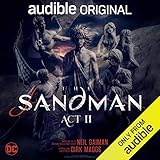
- Audible Audiobook
- Neil Gaiman (Author) - Neil Gaiman, James McAvoy, Emma Corrin (Narrators)
- English (Publication Language)
- 09/22/2021 (Publication Date) - Audible Originals (Publisher)
- Tip 3: Recognize the Metafictional and Thematic Underpinnings.
- Actionable Step: Consider how Neil Gaiman employs the narrative structure to comment on storytelling itself, the nature of consequence, and the construction of myth, especially within the framing of Dream’s overarching story.
- Common Mistake: Interpreting The Kindly Ones as a straightforward linear plot, overlooking Gaiman’s layered narrative approach, which frequently incorporates self-referential commentary on the act of creating and consuming stories.
Common Mistakes About The Sandman, Vol. 10
Several prevalent misconceptions can impede a comprehensive appreciation of this concluding volume. Addressing these clarifies its narrative objectives and thematic significance.
- Myth: Dream’s narrative arc definitively concludes with his death.
- Why it Matters: This perspective neglects the central theme of cyclical renewal and the enduring, non-finite nature of the Endless.
- Correction: Understand that Dream’s “death” is a sacrificial act facilitating the ascension of Daniel Hall, thereby ensuring the continuation of his function in a transformed state. This represents a metamorphosis, not an absolute cessation.
- Myth: The Furies are merely malevolent spirits lacking deeper symbolic meaning.
- Why it Matters: This interpretation oversimplifies the complex thematic exploration of justice, consequence, and the inescapable weight of past actions.
- Correction: Recognize the Furies as personifications of an ancient, inescapable form of justice, representing the natural law of cause and effect that even an Endless being cannot evade. Their pursuit is a direct consequence of Dream’s own choices, not arbitrary malice.
- Myth: The volume’s primary focus is solely on Dream’s punishment.
- Why it Matters: This overlooks the crucial thematic elements of self-reflection, acceptance, and the eventual transfer of responsibility.
- Correction: View the volume as a journey wherein Dream confronts his past, acknowledges his failings, and ultimately selects a path leading to renewal, not merely retribution. It is fundamentally about atonement and the evolution of his role.
The Sandman, Vol. 10 by Neil Gaiman: A Concluding Perspective
The Sandman, Vol. 10: The Kindly Ones functions as the grand, and at times challenging, conclusion to Neil Gaiman’s seminal epic. This volume demands reader patience and a willingness to engage with its introspective and often somber tones. While its deliberate pacing and thematic gravity might not appeal to all readers, its narrative strengths are rooted in its profound exploration of consequence, sacrifice, and the cyclical nature of existence. The book remains relevant today, offering a timeless meditation on the burdens of power and the imperative of confronting one’s past actions.
Decision Criterion: If your primary requirement is a fast-paced narrative culminating in clear-cut resolutions, The Sandman, Vol. 10 may present a divergence from expectations. However, if your preference lies with thematic depth, intricate character introspection, and a narrative that prioritizes philosophical inquiry over conventional plot resolutions, this volume is indispensable.
Strengths
- Thematic Depth: Rigorously explores profound concepts of justice, legacy, and the inescapable nature of consequence with exceptional depth. For example, the Furies’ relentless pursuit directly mirrors ancient Greek
Quick Comparison
| Option | Best for | Pros | Watch out |
|---|---|---|---|
| The Sandman Vol 10 by Neil Gaiman Audience Profile | General use | Series Completionists: Readers who have followed Dream’s journey from its inc… | Mistake: Underestimating the Furies as simple antagonists, failing to recogni… |
| What to Check First | General use | Students of Narrative and Mythology: Individuals interested in deconstructing… | Mistake: Assuming Dream retains his prior omnipotence, thereby missing the co… |
| Step-by-Step Plan for Understanding The Sandman Vol 10 | General use | Dream’s Nature and Responsibilities: Confirm understanding of Dream’s ontolog… | Mistake: Perceiving the Endless as a unified entity, overlooking their indivi… |
| Expert Tips for Engaging with The Sandman Vol 10 | General use | The Endless Sibling Dynamics: Revisit the established relationships, conflict… | Mistake: Devaluing the influence of Dream’s past relationships, thereby faili… |
Decision Rules
- If reliability is your top priority for The Sandman, Vol. 10 by Neil Gaiman, choose the option with the strongest long-term track record and support.
- If value matters most, compare total ownership cost instead of headline price alone.
- If your use case is specific, prioritize fit-for-purpose features over generic ‘best overall’ claims.