The Invisible Man: A Classic Science Fiction Tale
H. G. Wells’s The Invisible Man, first published in 1897, remains a seminal work in science fiction, offering a profound exploration of scientific ambition, its ethical consequences, and the corrosive effects of isolation. The narrative centers on Griffin, a scientist who achieves invisibility but finds his discovery leading to madness, terror, and ultimately, destruction. This novel serves as a potent cautionary tale, its themes of power, responsibility, and human nature resonating with contemporary concerns about unchecked scientific advancement. This analysis examines the novel’s narrative strengths, thematic weaknesses, and its enduring relevance for today’s readers.
Who This Book Is For
- Readers seeking classic science fiction that delves into complex philosophical and ethical dilemmas, rather than purely speculative concepts.
- Individuals interested in character studies that explore the psychological deterioration driven by isolation, hubris, and unchecked power.
What to Check First
- Authorial Intent and Historical Context: H. G. Wells was a keen social observer of the late Victorian era. Understanding the scientific and societal anxieties of his time—particularly regarding scientific progress and social order—provides crucial context for the novel’s themes.
- Thematic Complexity: The novel is rich with interwoven themes: the ethics of scientific discovery, the psychological impact of extreme alienation, the corrupting influence of power, and the duality of human nature. Identifying which of these themes are most prominent for you will enhance the reading experience.
- Narrative Structure and Voice: Wells employs a shifting narrative perspective, moving from third-person observation to Griffin’s first-person account. Be prepared for a prose style characteristic of its period, with detailed descriptions and an emphasis on psychological introspection.
Step-by-Step Plan for Reading The Invisible Man by H. G. Wells
This structured approach facilitates a deeper engagement with H. G. Wells’s seminal work.
1. Initial Immersion: The Arrival of the Enigmatic Stranger: Begin by focusing on the early chapters that introduce Griffin’s arrival in the village of Iping and the immediate reactions of its inhabitants.
- Action: Read the opening chapters with attention to the villagers’ growing suspicion and Griffin’s increasingly reclusive and erratic behavior.
- What to Look For: The careful establishment of atmosphere, the subtle build-up of suspense, and the initial hints of Griffin’s scientific endeavors and his profound discomfort with social interaction.
- Mistake to Avoid: Underestimating the significance of these early scenes. They are crucial for establishing the novel’s tone and the initial disruption of a peaceful community, setting the stage for the chaos to come.
2. Unveiling the Science and Motivation: Griffin’s Confession: As Griffin’s secret begins to surface, pay close attention to his explanations for his invisibility and his underlying motivations.
- Action: Engage critically with Griffin’s monologues and any explanations he provides regarding the scientific process of his invisibility.
- What to Look For: The plausibility of his scientific narrative (within the novel’s framework), the psychological drivers behind his obsession with invisibility, and his justifications for his subsequent actions, which often reveal a warped moral compass.
- Mistake to Avoid: Accepting Griffin’s scientific explanations at face value without critically examining their ethical implications or considering his increasingly unstable mental state. The science is a catalyst, not the sole determinant of his actions.
3. Escalation of Chaos: The Reign of Terror: Follow Griffin’s rapid descent into violence, theft, and lawlessness as he asserts his newfound power.
- Action: Track the progression of his criminal activities and observe the societal response to his presence as an unseen antagonist.
- What to Look For: The breakdown of social order, the pervasive fear and panic he instills, and the limitations of conventional authority and societal structures when confronting an invisible threat.
- Mistake to Avoid: Focusing solely on the sensational aspects of his crimes. The true horror lies in the psychological impact on the community and Griffin’s own loss of humanity, rather than the physical acts themselves.
4. Thematic Exploration: Isolation and the Corrupting Nature of Power: Analyze Griffin’s internal struggles, his profound sense of alienation, and his distorted relationship with the world around him.
- Action: Reflect on Griffin’s growing feelings of isolation, his megalomaniacal tendencies, and his fundamental inability to form meaningful connections with others.
- What to Look For: The direct correlation between his invisibility and his moral and psychological decay, his warped perceptions of justice, and the trajectory of his self-destruction, which is intrinsically linked to his power.
- Mistake to Avoid: Developing excessive sympathy for Griffin without acknowledging the significant harm he inflicts. The novel functions as a critique of unchecked ambition and its consequences, not an endorsement of his behavior.
For those looking to dive into this classic, H.G. Wells’s ‘The Invisible Man’ is a foundational text in science fiction that masterfully explores the dark side of scientific ambition and isolation. It’s a must-read for anyone interested in the ethical quandaries of unchecked progress.
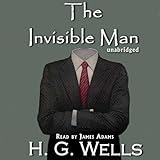
- Audible Audiobook
- H. G. Wells (Author) - James Adams (Narrator)
- English (Publication Language)
- 10/26/2000 (Publication Date) - Blackstone Audio, Inc. (Publisher)
5. Societal Reaction: The Hunt and Its Aftermath: Observe how society mobilizes and reacts to the unprecedented threat posed by an invisible individual.
- Action: Examine the collective efforts to apprehend Griffin and the broader impact his presence has on the community and the authorities.
- What to Look For: The societal response to an existential threat, the role of ordinary citizens in confronting the extraordinary, and the eventual, often brutal, conclusion to Griffin’s reign.
- Mistake to Avoid: Underestimating the novel’s depiction of collective action and the profound consequences of unchecked power. The ending is stark and serves as a powerful reinforcement of the novel’s cautionary message.
6. Final Reflection: The Enduring Legacy of Invisibility: Consider the novel’s concluding moments and the broader, lingering questions it poses about science, power, and humanity.
- Action: Ponder Griffin’s ultimate fate and the unresolved philosophical and ethical questions the novel leaves for the reader.
- What to Look For: The enduring relevance of themes such as scientific responsibility, the nature of power, and the very definition of what it means to be human in the face of extraordinary circumstances.
- Mistake to Avoid: Concluding the reading experience solely with the plot’s resolution. The novel’s true power and impact lie in its ability to provoke thought and discussion long after the final page is turned.
Common Mistakes When Reading The Invisible Man by H. G. Wells
- Mistake: Focusing exclusively on the mechanics of invisibility and neglecting Griffin’s psychological motivations.
- Why it Matters: The Invisible Man is fundamentally a character study and a social critique, not a technical manual. Griffin’s actions and their consequences are driven by his internal state and his warped worldview.
- Fix: Actively analyze Griffin’s internal monologues, his justifications for his behavior, and his interactions with others to gain a comprehensive understanding of his motivations and his moral decline.
- Mistake: Perceiving Griffin as a purely villainous character from the outset, overlooking his initial scientific aspirations.
- Why it Matters: Wells crafts Griffin as a complex, albeit deeply flawed, character whose descent is gradual. His initial ambition for scientific discovery is twisted by his personality and the isolation his achievement brings.
- Fix: Trace Griffin’s progression from a driven, albeit arrogant, scientist to a desperate, violent fugitive. Recognizing the stages of his moral and psychological decay is key to understanding the tragedy of his story.
- Mistake: Underestimating the novel’s embedded social commentary and its reflection of late Victorian anxieties.
- Why it Matters: The novel critiques societal structures, class dynamics, and the public’s reaction to the unknown. Griffin’s ability to disrupt the established order highlights these societal vulnerabilities.
- Fix: Pay attention to how the villagers, the police, and other characters react to Griffin. These responses reveal the social fabric, fears, and assumptions of the era.
- Mistake: Expecting a modern, fast-paced thriller narrative.
- Why it Matters: H. G. Wells’s prose is characteristic of early science fiction, featuring detailed descriptions, atmospheric development, and a strong emphasis on character and thematic exploration. The pacing is deliberate.
- Fix: Adjust your reading pace and expectations to appreciate the nuanced character development, the atmospheric build-up, and the intellectual depth that defines the novel.
Expert Tips for Understanding The Invisible Man by H. G. Wells
- Tip 1: Analyze Griffin’s Psychological Trajectory.
- Action: Maintain a log or notes detailing Griffin’s emotional state, his stated intentions, and his justifications for his actions at various points in the narrative.
- Common Mistake to Avoid: Attributing Griffin’s behavior solely to the immediate effects of his invisibility. His pre-existing personality traits, his ambition, and his inherent arrogance are crucial factors that his invisibility amplifies.
- Tip 2: Map the Social and Psychological Impact.
- Action: Identify and list the various individuals and groups affected by Griffin’s presence and actions. Note their differing responses, fears, and attempts to comprehend the situation.
- Common Mistake to Avoid: Concentrating exclusively on Griffin’s perspective. The novel gains significant depth and realism from the reactions and struggles of those around him, highlighting the societal disruption.
- Tip 3: Connect to Wells’s Broader Literary Themes.
- Action: Research other works by H. G. Wells, particularly those that address scientific progress, societal evolution, and human nature, to identify recurring thematic concerns and philosophical viewpoints.
- Common Mistake to Avoid: Treating The Invisible Man as an isolated narrative. It is part of a larger body of Wells’s work that consistently explores similar societal and scientific questions.
Thematic Resonance: The Invisible Man by H. G. Wells Today
H. G. Wells’s The Invisible Man continues to hold significant relevance because its core themes—scientific responsibility, the corrupting nature of power, and the profound impact of isolation—remain pertinent in the 21st century. In an era marked by rapid technological advancements, the novel serves as a powerful reminder
Quick Comparison
| Option | Best for | Pros | Watch out |
|---|---|---|---|
| Who This Book Is For | General use | Readers seeking classic science fiction that delves into complex philosophica… | Mistake to Avoid: Underestimating the significance of these early scenes. The… |
| What to Check First | General use | Individuals interested in character studies that explore the psychological de… | Mistake to Avoid: Accepting Griffin’s scientific explanations at face value w… |
| Step-by-Step Plan for Reading The Invisible Man by H G Wells | General use | Authorial Intent and Historical Context: H. G. Wells was a keen social observ… | Mistake to Avoid: Focusing solely on the sensational aspects of his crimes. T… |
| Common Mistakes When Reading The Invisible Man by H G Wells | General use | Thematic Complexity: The novel is rich with interwoven themes: the ethics of… | Mistake to Avoid: Developing excessive sympathy for Griffin without acknowled… |
Decision Rules
- If reliability is your top priority for The Invisible Man by H. G. Wells, choose the option with the strongest long-term track record and support.
- If value matters most, compare total ownership cost instead of headline price alone.
- If your use case is specific, prioritize fit-for-purpose features over generic ‘best overall’ claims.
How this list was curated
- We selected titles using clarity, practical usefulness, and long-term relevance.
- We balanced foundational picks with specialized options for different reader goals.
Structured Pick Cards
Readers seeking classic science fiction that delves into complex philosophical and ethical
- Best for: readers who want practical takeaways and clear progression.
- Skip if: you need only advanced theory with little implementation guidance.
- Trade-off: stronger depth can mean a slower pace in some chapters.
Individuals interested in character studies that explore the psychological deterioration d
- Best for: readers who want practical takeaways and clear progression.
- Skip if: you need only advanced theory with little implementation guidance.
- Trade-off: stronger depth can mean a slower pace in some chapters.
**Authorial Intent and Historical Context
- Best for: readers who want practical takeaways and clear progression.
- Skip if: you need only advanced theory with little implementation guidance.
- Trade-off: stronger depth can mean a slower pace in some chapters.
By Reader Level
- Beginner: start with one fundamentals pick and one habit-building pick.
- Intermediate: prioritize books with frameworks you can apply weekly.
- Advanced: choose deeper titles focused on systems and decision quality.
An under-the-radar pick worth considering is a less mainstream title that explains decision quality with unusually clear examples.
FAQ
Q: Where should I start?
A: Start with the clearest foundational pick, then add one practical framework-focused title.
Q: How many books should I read first?
A: Begin with 2–3 complementary books and apply one core idea from each before adding more.