The Disaster Artist: A Memoir of Filmmaking
The Disaster Artist by Greg Sestero: Quick Answer
- The Disaster Artist: A Memoir of Filmmaking by Greg Sestero offers an unfiltered, often surreal, look at the making of Tommy Wiseau’s cult film The Room.
- It provides unique insights into the nature of ambition, friendship, and the unpredictable path of creative endeavors, even those that result in unintentional comedy.
- Readers interested in film production, cult cinema, or the psychology of creative collaboration will find this memoir compelling.
Who This Is For
- Fans of cult films, particularly The Room, seeking to understand its baffling creation.
- Individuals interested in the behind-the-scenes realities of independent filmmaking, showcasing both dedication and delusion.
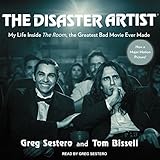
- Audible Audiobook
- Greg Sestero (Author) - Greg Sestero (Narrator)
- English (Publication Language)
- 05/19/2014 (Publication Date) - Tantor Audio (Publisher)
What to Check First
- Familiarity with The Room: While not strictly required, prior viewing of The Room enhances appreciation for the narrative’s absurdity and Sestero’s experiences.
- Interest in Behind-the-Scenes Stories: The memoir details the practicalities and personalities involved in filmmaking, often highlighting the chaotic and unconventional.
- Tolerance for Unconventional Narratives: The book mirrors the chaotic nature of its subject matter, offering a narrative that is less polished and more observational.
The Disaster Artist by Greg Sestero: A Filmmaking Chronicle
This memoir details the extraordinary journey of Greg Sestero, an aspiring actor who found himself entangled in the production of Tommy Wiseau’s infamous film, The Room. Sestero recounts his experiences with Wiseau, a mysterious and enigmatic figure whose singular vision drove the production. The book serves as both a personal account and a cautionary tale, illustrating how passion can manifest in unexpected and often bewildering ways within the film industry. The narrative strength lies in its almost anthropological observation of Wiseau’s eccentricities and the sheer persistence required to complete a project under such bizarre circumstances.
Step-by-Step Plan for Understanding The Disaster Artist
1. Read Sestero’s Early Encounters: Pay close attention to the initial meetings and the development of Sestero’s relationship with Wiseau.
- What to look for: The growing realization of Wiseau’s peculiar nature and the unusual terms of their burgeoning friendship and professional arrangement.
- Mistake: Dismissing Wiseau’s early behavior as mere eccentricity without recognizing the underlying patterns that would define the entire production.
2. Analyze the Pre-Production Phase: Examine the casting process, script development, and initial financing of The Room.
- What to look for: The lack of conventional filmmaking practices and Wiseau’s unwavering, often illogical, decisions regarding every aspect of the film.
- Mistake: Assuming standard industry protocols were followed; the absence of these is a key element of the story.
3. Track Production Challenges: Follow Sestero’s day-to-day experiences on set, noting the constant disruptions and Wiseau’s directorial methods.
- What to look for: The repetition of scenes, the bizarre line deliveries, and the surreal atmosphere that permeated the filming.
- Mistake: Underestimating the sheer willpower and patience required from the cast and crew to endure the prolonged and often nonsensical shooting schedule.
4. Observe the Relationship Dynamics: Focus on the evolving friendship between Sestero and Wiseau amidst the chaos.
- What to look for: Sestero’s internal conflict between his acting aspirations and his growing unease with the project, juxtaposed with his loyalty to Wiseau.
- Mistake: Viewing their relationship solely through the lens of exploitation; it’s a complex dynamic of co-dependence and shared, albeit misguided, dreams.
5. Examine Post-Production and Release: Understand the challenges of editing, the initial theatrical release, and the film’s eventual cult status.
- What to look for: The film’s reception and how its perceived flaws became its greatest assets, leading to midnight screenings and widespread appreciation.
- Mistake: Judging the film’s success by conventional critical standards; its impact lies in its unintended entertainment value.
6. Reflect on Sestero’s Career Trajectory: Consider how this experience shaped Sestero’s own path in Hollywood.
- What to look for: The lessons learned about perseverance, the nature of the industry, and the unexpected turns a career can take.
- Mistake: Believing The Disaster Artist is solely about Wiseau’s failure; it is equally about Sestero’s journey through a unique cinematic anomaly.
Common Myths About The Disaster Artist
- Myth: The Disaster Artist is simply a book of jokes about how bad The Room is.
- Why it matters: This perspective trivializes the memoir’s deeper themes. While humorous, the book explores ambition, friendship, and the human drive to create, even when the outcome is unintended.
- Fix: Approach the book with an eye for the narrative arc and the emotional undercurrents of Sestero’s experience, recognizing the humor as a byproduct of genuine bewilderment and resilience.
- Myth: Tommy Wiseau intentionally made The Room to be a bad comedy.
- Why it matters: The memoir strongly suggests Wiseau genuinely believed he was creating a dramatic masterpiece. Understanding this delusion is key to appreciating the book’s narrative.
- Fix: Focus on Sestero’s portrayal of Wiseau’s earnest belief in his dramatic intentions. The humor arises from the vast disconnect between Wiseau’s perception and the audience’s reality.
- Myth: Greg Sestero was purely a victim of Tommy Wiseau’s erratic behavior.
- Why it matters: Sestero was an active participant, driven by his own acting ambitions. The book details his internal struggles and decisions, presenting a more nuanced picture of their relationship.
- Fix: Acknowledge Sestero’s agency and motivations. His choice to stay on the project, despite its flaws, is a significant part of the story’s complexity.
Expert Tips for Appreciating The Disaster Artist
- Tip: Focus on Sestero’s observational skills.
- Actionable Step: As you read, highlight passages where Sestero describes Wiseau’s actions or dialogue and then notes his own internal reaction or interpretation.
- Common Mistake to Avoid: Glossing over Sestero’s descriptions as mere anecdotes; they are the evidence of Wiseau’s unique worldview and the foundation of the book’s narrative.
- Tip: Consider the memoir as a case study in creative delusion.
- Actionable Step: Analyze Wiseau’s decisions through the lens of psychological motivation. Why did he make these choices? What drove his unwavering conviction?
- Common Mistake to Avoid: Simply laughing at Wiseau without attempting to understand the underlying psychological drivers that fueled his singular pursuit.
- Tip: Recognize the dual narrative of friendship and filmmaking.
- Actionable Step: Track the progression of Sestero and Wiseau’s friendship alongside the progression of The Room‘s production. Note how they influence each other.
- Common Mistake to Avoid: Separating the personal relationship from the filmmaking process; they are intrinsically linked and inseparable in this account.
BLOCKQUOTE_0
Decision Rules
- If reliability is your top priority for The Disaster Artist by Greg Sestero, choose the option with the strongest long-term track record and support.
- If value matters most, compare total ownership cost instead of headline price alone.
- If your use case is specific, prioritize fit-for-purpose features over generic ‘best overall’ claims.
FAQ
- Q: Is it necessary to have seen The Room before reading The Disaster Artist?
A: While not strictly required, having seen The Room significantly enhances the reading experience. It allows you to fully appreciate the absurdity of the events Sestero describes and the context behind his anecdotes.
- Q: What is the primary takeaway from The Disaster Artist?
A: The primary takeaway is a nuanced exploration of ambition, friendship, and the often-unpredictable nature of creative pursuits. It demonstrates how dedication, even when misguided, can lead to extraordinary, albeit unconventional, outcomes.
- Q: How does The Disaster Artist by Greg Sestero compare to other filmmaking memoirs?
A: Unlike memoirs that focus on polished success stories or industry critiques, The Disaster Artist stands out for its candid portrayal of a project deemed a failure by conventional standards, yet which found unique success through its sheer, unadulterated oddity. It prioritizes personal experience and observation over industry analysis.
- Q: What is the central conflict in the memoir?
A: The central conflict is Greg Sestero’s internal struggle to navigate his friendship with Tommy Wiseau and his own aspirations as an actor, all while being immersed in the production of a film that defies all logic and conventional filmmaking practices.
| Aspect | Strengths | Limitations | Reader Takeaway |
|---|---|---|---|
| Narrative Voice | Sestero’s earnest and often bewildered tone is highly engaging. | Can sometimes feel overly passive as Sestero reacts to Wiseau’s actions. | Appreciate the challenges of navigating an unpredictable creative partner. |
| Subject Matter | Unparalleled insight into the making of a cult phenomenon. | The sheer absurdity might be overwhelming for readers unfamiliar with The Room. | Understand the fine line between passion and delusion in filmmaking. |
| Thematic Depth | Explores themes of friendship, ambition, and artistic integrity. | The focus on Wiseau’s eccentricities can overshadow deeper analysis at times. | Recognize the diverse paths to creative expression |