The Basketball Diaries: A Memoir of Addiction
This review examines Jim Carroll’s memoir, “The Basketball Diaries,” focusing on its literary merit, thematic depth, and suitability for readers seeking unflinching accounts of addiction and adolescence. It offers a critical perspective, balancing the work’s undeniable power with potential challenges for the reader.
Who This Is For
- Readers interested in raw, confessional literature that explores the darker aspects of youth and addiction.
- Those who appreciate experimental writing styles and are prepared for challenging subject matter.
What to Check First
- Carroll’s Writing Style: The diary entries are often fragmented, stream-of-consciousness, and employ a distinctive poetic rhythm. Readers accustomed to conventional narrative structures may find this disorienting.
- Subject Matter Intensity: The memoir graphically details drug use, sexual encounters, and violence. It is not for the faint of heart and requires emotional preparedness.
- Authenticity vs. Artistry: Consider whether you are seeking a purely factual account or a literary interpretation of experience. Carroll blurs these lines, which is central to the book’s power but also a point of critical consideration.
- Literary Merit: Assess if you are looking for a purely narrative experience or one that values poetic language and experimental form alongside its subject matter.
Step-by-Step Plan for Understanding The Basketball Diaries by Jim Carroll
1. Begin with the Early Entries: Start from the beginning of the diary. This allows you to witness Carroll’s descent into addiction chronologically, observing the initial allure of basketball and his friendships before drug use escalates.
- Action: Read the first 50 pages.
- What to look for: The contrast between Carroll’s athletic aspirations and his burgeoning drug experimentation. Note the specific language he uses to describe early drug experiences.
- Mistake to avoid: Skipping ahead to what you perceive as the “main” events, thereby missing the crucial developmental arc.
2. Analyze the Poetic Language: Recognize that even in its rawest form, Carroll’s writing possesses a strong poetic sensibility. Pay attention to his use of imagery, rhythm, and wordplay.
- Action: Highlight striking phrases or lines that stand out stylistically.
- What to look for: Instances where the lyrical quality of the language elevates or complicates the grim subject matter.
- Mistake to avoid: Dismissing the prose as mere rambling due to its unconventional structure.
3. Track Key Relationships: Identify the significant individuals in Carroll’s life—his friends, teammates, and later, his associates in the drug scene. Observe how these relationships evolve under the strain of addiction.
- Action: Keep a mental or written note of recurring names and their roles.
- What to look for: The dynamics of loyalty, betrayal, and codependency.
- Mistake to avoid: Treating all characters as interchangeable; their individual impacts are crucial.
4. Observe the Escalation of Addiction: Note the progression of Carroll’s drug use, from experimentation to dependency and the increasingly desperate measures he takes to obtain drugs.
- Action: Mark passages describing specific drug-seeking behaviors or the physical/psychological toll of withdrawal.
- What to look for: The shift from recreational use to a life consumed by addiction.
- Mistake to avoid: Underestimating the severity of his addiction by focusing only on the more sensational events.
5. Consider the Role of Art and Escape: Examine how Carroll uses writing and poetry as both a coping mechanism and a form of documentation amidst his chaotic life.
- Action: Pay attention to entries where he explicitly discusses writing or creative expression.
- What to look for: The tension between his artistic impulses and his destructive lifestyle.
- Mistake to avoid: Seeing his writing solely as a byproduct of addiction, rather than a distinct facet of his identity.
6. Evaluate the Memoir’s Impact: Reflect on the overall emotional and intellectual impact of the book. Consider its place within literature dealing with addiction and the adolescent experience.
- Action: After finishing, jot down your strongest impressions and any lingering questions.
- What to look for: The lasting resonance of Carroll’s voice and the uncomfortable truths he lays bare.
- Mistake to avoid: Judging the memoir solely on its shock value without engaging with its deeper literary and psychological dimensions.
Common Myths About The Basketball Diaries
- Myth: “The Basketball Diaries by Jim Carroll” is simply a sensationalized account of drug abuse.
- Why it matters: This view overlooks the literary artistry and the profound exploration of adolescent alienation and the struggle for identity.
- Fix: Approach the text as a work of literary non-fiction, recognizing Carroll’s poetic voice and his attempt to process trauma through writing, not just document it.
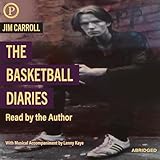
- Audible Audiobook
- Jim Carroll (Author) - Jim Carroll (Narrator)
- English (Publication Language)
- 12/15/1999 (Publication Date) - Phoenix Books (Publisher)
- Myth: The book is an endorsement or glorification of the lifestyle it depicts.
- Why it matters: Misinterpreting the raw, often detached narration as endorsement can lead to a dangerous misunderstanding of the author’s intent and the devastating consequences of addiction.
- Fix: Focus on the underlying desperation, pain, and the author’s eventual, albeit complex, survival. The narrative arc reveals the destructive nature of the lifestyle, not its appeal.
- Myth: Jim Carroll was a celebrated basketball player before his addiction took hold.
- Why it matters: While basketball is a significant motif and provides the memoir’s title, Carroll was a talented high school player, not a star athlete destined for professional leagues. The title reflects a lost potential and a formative period.
- Fix: Understand basketball as a symbol of innocence, discipline, and a life path that addiction derailed, rather than the primary focus of his future ambitions.
The Basketball Diaries by Jim Carroll: A Literary Examination
“The Basketball Diaries” stands as a stark and unforgettable testament to the destructive power of addiction and the turbulent landscape of adolescence. Jim Carroll’s memoir, presented in a series of diary entries spanning his teenage years, offers an unvarnished, often brutal, look at his descent into heroin addiction in 1960s New York City. The work is not a straightforward narrative; instead, it pulses with the fragmented, urgent energy of lived experience. Carroll’s prose, even in its rawest moments, possesses a distinct poetic sensibility, a characteristic that elevates the memoir beyond mere reportage and positions it as a significant, albeit challenging, piece of confessional literature.
The strength of “The Basketball Diaries” lies in its unflinching honesty and Carroll’s unique voice. He captures the allure of drugs, the desperate need for escape, and the profound alienation that can accompany both adolescence and addiction. The diary format allows for an intimate, immediate connection with the reader, pulling them into Carroll’s world of street life, fleeting friendships, and the constant, gnawing pursuit of a fix. The titular basketball serves as a potent symbol of a lost innocence and a path not taken, a stark contrast to the grim reality of his daily existence.
However, the memoir’s intensity is also its primary limitation for some readers. The graphic descriptions of drug use, sexual encounters, and violence can be overwhelming. The fragmented nature of the entries, while authentic to the diary form, may prove difficult for those accustomed to more conventional narrative arcs. It demands a willingness to confront uncomfortable truths and to engage with a perspective that offers little in the way of easy answers or redemptive platitudes.
BLOCKQUOTE_0
This quote encapsulates the profound sense of despair and self-erasure that permeates Carroll’s early entries, highlighting the psychological toll of his addiction.
Expert Tips for Engaging with The Basketball Diaries
- Embrace the Fragmented Structure: Do not expect a linear plot. The diary format is intentional, mirroring the fractured state of Carroll’s mind and life.
- Actionable Step: Allow yourself to be immersed in the present moment of each entry without constantly trying to connect it to a future event.
- Common Mistake to Avoid: Frustration with the lack of clear transitions or narrative progression, which can lead to dismissing the text’s unique power.
- Contextualize the Time Period: The memoir is set in the 1960s, a period with different societal norms and drug landscapes than today. Understanding this context is crucial for interpreting the events and Carroll’s choices.
- Actionable Step: Briefly research the social and cultural climate of New York City in the 1960s, particularly regarding drug use and youth subcultures.
- Common Mistake to Avoid: Judging Carroll’s actions solely through a modern lens, which can obscure the specific pressures and available escapes of his era.
- Recognize the Poetic Undercurrent: Jim Carroll was a poet, and this sensibility is woven throughout the diary entries, even the most brutal ones. Look for vivid imagery, rhythmic phrasing, and evocative language.
- Actionable Step: Re-read a particularly disturbing passage and focus on the descriptive language, looking for artistic intent amidst the chaos.
- Common Mistake to Avoid: Overlooking the literary artistry by focusing solely on the shocking content, thereby missing a key element of Carroll’s genius and survival mechanism.
Reading Context and Recommendations
For readers drawn to experimental narratives and raw, autobiographical accounts, “The Basketball Diaries” offers a powerful and enduring experience. It is a book that resonates long after the final page is turned, prompting reflection on the nature of addiction, the fragility of youth, and the resilience of the human spirit, even in its darkest moments.
For those seeking a more structured narrative or who are sensitive to graphic content, this memoir may prove too challenging. However, for readers prepared for its intensity, The Basketball Diaries by Jim Carroll provides an invaluable, albeit harrowing, glimpse into a life lived on the edge.
Quick Comparison
| Option | Best for | Pros | Watch out |
|---|---|---|---|
| Who This Is For | General use | Readers interested in raw, confessional literature that explores the darker a… | Mistake to avoid: Skipping ahead to what you perceive as the “main” events, t… |
| What to Check First | General use | Those who appreciate experimental writing styles and are prepared for challen… | Mistake to avoid: Dismissing the prose as mere rambling due to its unconventi… |
| Step-by-Step Plan for Understanding The Basketball Diaries by Jim Carroll | General use | Carroll’s Writing Style: The diary entries are often fragmented, stream-of-co… | Mistake to avoid: Treating all characters as interchangeable; their individua… |
| Common Myths About The Basketball Diaries | General use | Subject Matter Intensity: The memoir graphically details drug use, sexual enc… | Mistake to avoid: Underestimating the severity of his addiction by focusing o… |
Decision Rules
- If reliability is your top priority for The Basketball Diaries by Jim Carroll, choose the option with the strongest long-term track record and support.
- If value matters most, compare total ownership cost instead of headline price alone.
- If your use case is specific, prioritize fit-for-purpose features over generic ‘best overall’ claims.
FAQ
- Q: Is “The Basketball Diaries” a factual account or fiction?
- A: It is presented as a memoir, drawing from