Sjón’s ‘Moonstone’: A Deep Dive into the Narrative
Quick Answer
- Moonstone by Sjón is a novel characterized by its dense, allegorical style, deeply embedded in Icelandic folklore and history.
- Readers who appreciate lyrical prose, symbolic depth, and a challenging, non-linear narrative will find this work rewarding.
- Those seeking a straightforward, plot-driven story may find its abstract nature and deliberate pacing difficult to engage with.
Who This Is For
- Readers interested in literary fiction that explores complex themes of identity, memory, and cultural evolution through a unique linguistic lens.
- Individuals who enjoy delving into the intersection of mythology, history, and human behavior within specific cultural contexts.
What to Check First
- Authorial Style: Sjón’s writing is highly poetic and symbolic, often prioritizing atmosphere and imagery over direct narrative progression. Be prepared for a rich, at times demanding, prose style.
- Allegorical Framework: The novel operates on multiple symbolic levels. Understanding that characters and events often represent broader concepts (e.g., cultural shifts, historical memory) is crucial.
- Cultural Context: The narrative is intrinsically linked to Icelandic history, folklore, and landscape. Familiarity with or a willingness to research these elements will enhance comprehension.
- Pacing and Structure: The book does not follow a conventional linear plot. Its pace is deliberate, and its structure is often fragmented, mirroring the complexities of memory and experience.
Step-by-Step Plan for Understanding Moonstone
1. Engage with the Opening Atmosphere:
- Action: Read the initial chapters slowly, focusing on the sensory details, the descriptions of the setting, and the introduction of key symbols.
- What to Look For: Observe how Sjón establishes a mood and introduces elements that hint at deeper thematic concerns, such as the relationship between nature and human intervention.
- Mistake to Avoid: Expecting immediate plot exposition and overlooking the foundational symbolic and atmospheric groundwork being laid.
2. Identify Recurring Motifs and Symbols:
- Action: As you read, make note of any recurring images, objects, or concepts (e.g., light, darkness, specific natural phenomena, the titular moonstone).
- What to Look For: Track how these motifs reappear and potentially evolve in meaning throughout the narrative, connecting different parts of the story.
- Mistake to Avoid: Treating each occurrence of a symbol in isolation, rather than recognizing its cumulative and associative power within the novel.
3. Analyze Character Archetypes:
- Action: Consider the primary characters not just as individuals, but as potential representations of larger forces or ideas within the Icelandic context.
- What to Look For: Examine the characters’ relationships with their environment, history, and each other, looking for symbolic resonances.
- Mistake to Avoid: Reading characters solely as literal actors in a plot, missing their allegorical significance to the novel’s broader themes.
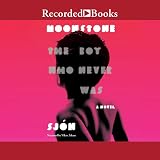
- Audible Audiobook
- Sjon (Author) - Vikas Adam (Narrator)
- English (Publication Language)
- 08/02/2016 (Publication Date) - Recorded Books (Publisher)
4. Trace the Thematic Threads:
- Action: Actively identify and follow the development of key themes such as cultural memory, isolation, transformation, and the tension between tradition and modernity.
- What to Look For: Observe how these themes are illustrated through character actions, narrative events, and descriptive passages.
- Mistake to Avoid: Focusing solely on the sequence of events and failing to grasp the underlying philosophical and cultural questions being explored.
5. Appreciate the Linguistic Artistry:
- Action: Pay close attention to Sjón’s word choices, sentence structure, and the overall rhythm and musicality of the prose.
- What to Look For: Note instances of striking metaphor, unusual phrasing, and poetic descriptions that contribute to the novel’s unique texture and meaning.
- Mistake to Avoid: Skimming dense prose, assuming it is purely ornamental, and missing how the language itself conveys thematic weight.
6. Connect with Icelandic Context (Post-Reading):
- Action: After completing the novel, research any specific historical periods, mythological figures, or cultural references that were particularly prominent or intriguing.
- What to Look For: Understand how these elements inform the novel’s allegorical layers and contribute to its commentary on Icelandic identity.
- Mistake to Avoid: Feeling obligated to research extensively during the initial reading, which can interrupt immersion, or conversely, ignoring the cultural underpinnings entirely.
Moonstone by Sjón: A Deeper Dive into Themes
Cultural Memory and Identity in the Novel
Moonstone by Sjón offers a profound exploration of how a nation’s past shapes its present identity, particularly through the lens of Icelandic culture. The novel functions as an intricate tapestry woven from threads of folklore, historical events, and individual consciousness. It interrogates the very nature of progress and authenticity by depicting the collision of deeply ingrained traditions with the encroaching forces of modernity. The titular “moonstone” often serves as a catalyst or symbol for external influences that compel a confrontation with inherited narratives and collective memory. Sjón masterfully avoids presenting a simple dichotomy between old and new, instead illustrating a complex interplay where the past is continually reinterpreted and the present is built upon layered historical experiences.
A central takeaway is the novel’s nuanced portrayal of cultural resilience and vulnerability. The characters’ struggles reflect a broader societal negotiation between preserving heritage and adapting to change. Sjón does not offer prescriptive solutions but rather invites readers to contemplate the dynamic evolution of cultural identity. For example, the juxtaposition of characters representing different modes of understanding – the scientific versus the mystical, the traditional versus the modern – highlights the inherent tensions and potential syntheses within a society grappling with its own history. This intricate thematic exploration is a significant strength, providing a rich meditation on belonging and the enduring impact of the past.
The Unconventional Narrative Structure of Moonstone
Sjón’s approach to storytelling in Moonstone by Sjón deliberately deviates from conventional narrative expectations. The novel eschews a linear, plot-driven progression in favor of an associative, lyrical unfolding of events and ideas. This stylistic choice, while potentially challenging for readers accustomed to more straightforward storytelling, is integral to the novel’s thematic depth. The fragmented and non-linear structure mirrors the way memory itself operates—often non-chronologically, with associations and echoes shaping our understanding of events. This deliberate construction allows Sjón to explore complex concepts of identity and cultural evolution with a unique resonance.
The strength of this unconventional structure lies in its ability to create a potent, immersive atmosphere and evoke a visceral response. Sjón utilizes language as a primary tool, crafting sentences that often possess a poetic quality, blurring the lines between prose and verse. This linguistic artistry is not merely decorative; it is fundamental to the novel’s thematic concerns, imbuing the narrative with a dreamlike or mythic quality. A concrete example of this is the recurring use of specific imagery or phrases that gain symbolic weight through repetition, acting as anchors for the reader within the more fluid and associative narrative landscape.
BLOCKQUOTE_0
This sentiment, though not directly from Sjón, resonates deeply with the thematic concerns of Moonstone, where historical layers actively inform and shape the present reality of the characters and the nation.
Common Myths About Moonstone by Sjón
- Myth: The novel is a straightforward historical recounting of Icelandic events.
- Why it Matters: This misunderstands the primary mode of the novel, which is allegorical and symbolic, not strictly reportage.
- Fix: Approach the text as a layered exploration of themes using historical and mythological elements as building blocks for a deeper commentary on identity and culture.
- Myth: The narrative’s experimental style makes it inaccessible.
- Why it Matters: While challenging, the style is integral to the novel’s artistic purpose and impact. Dismissing it as inaccessible overlooks its function.
- Fix: Engage with the prose actively, appreciating its poetic qualities and recognizing that the fragmented structure serves a thematic function, mirroring the complexities of memory and experience.
- Myth: The “moonstone” is a literal magical artifact with defined powers.
- Why it Matters: The moonstone functions primarily as a potent symbol or a catalyst for change and reflection, rather than a plot device with explicit magical rules.
- Fix: Consider the moonstone as a symbolic element that represents external influence, hidden potential, or a connection to something beyond the ordinary, rather than a tangible object with predictable magical effects.
Expert Tips for Reading Moonstone
- Tip: Embrace associative reading.
- Action: Allow your mind to follow the connections Sjón makes between disparate images, ideas, and historical fragments without forcing a linear cause-and-effect logic.
- Common Mistake to Avoid: Constantly trying to impose a strict chronological or causal framework onto every transition, which can lead to frustration and missed thematic links.
- Tip: Keep a thematic log.
- Action: Jot down recurring symbols, character traits, or evocative phrases that seem significant, noting their context and any shifts in their meaning throughout the novel.
- Common Mistake to Avoid: Reading passively without actively cataloging the novel’s symbolic language, making it more difficult to synthesize the layered meanings later.
- Tip: Research key Icelandic allusions after reading.
- Action: After finishing the novel, look up any specific historical events, mythological figures, or cultural references that piqued your interest during the reading process.
- Common Mistake to Avoid: Getting bogged down in research mid-read, which can disrupt immersion, or conversely, ignoring the cultural context entirely and missing potential layers of meaning.
Frequently Asked Questions
- Q: Is Moonstone by Sjón a difficult book to read?
- A: Yes, it can be challenging due to its experimental narrative structure, poetic prose, and dense symbolism. It requires active engagement and a willingness to embrace ambiguity.
- Q: What are the primary themes explored in Moonstone?
- A: The novel primarily delves into themes of national identity, cultural
Quick Comparison
| Option | Best for | Pros | Watch out |
|---|---|---|---|
| Quick Answer | General use | Moonstone by Sjón is a novel characterized by its dense, allegorical style, d… | Mistake to Avoid: Expecting immediate plot exposition and overlooking the fou… |
| Who This Is For | General use | Readers who appreciate lyrical prose, symbolic depth, and a challenging, non-… | Mistake to Avoid: Treating each occurrence of a symbol in isolation, rather t… |
| What to Check First | General use | Those seeking a straightforward, plot-driven story may find its abstract natu… | Mistake to Avoid: Reading characters solely as literal actors in a plot, miss… |
| Step-by-Step Plan for Understanding Moonstone | General use | Readers interested in literary fiction that explores complex themes of identi… | Mistake to Avoid: Focusing solely on the sequence of events and failing to gr… |
Decision Rules
- If reliability is your top priority for Moonstone by Sjón, choose the option with the strongest long-term track record and support.
- If value matters most, compare total ownership cost instead of headline price alone.
- If your use case is specific, prioritize fit-for-purpose features over generic ‘best overall’ claims.