Shūsaku Endō’s Novel: Deep River
Understanding Deep River by Shūsaku Endō: A Core Examination
Deep River by Shūsaku Endō is a complex and moving novel that delves into the universal human quest for spiritual fulfillment, juxtaposed with the stark realities of suffering and doubt. Set primarily in India, the narrative follows a group of Japanese tourists on a spiritual pilgrimage, each carrying their own burdens and seeking solace or answers from the sacred Ganges River. Endō masterfully weaves together their individual stories, revealing a shared human vulnerability that transcends cultural and religious boundaries. The novel is not a simple affirmation of faith, but rather a rigorous examination of its nature, its limitations, and its persistent allure in the face of profound personal and collective pain. It asks difficult questions about the divine, about grace, and about the possibility of encountering God in the most unexpected and often desolate places.
This work is particularly relevant today as many grapple with existential questions and the search for meaning in an increasingly fragmented world. Endō, a devout Catholic writing from a Japanese perspective, offers a unique lens through which to view these perennial concerns. His exploration of faith is deeply informed by his own spiritual journey and his understanding of the human behavior, marked by both its capacity for love and its susceptibility to despair. Deep River by Shūsaku Endō invites readers to confront their own beliefs and assumptions about spirituality, suffering, and the divine.
Who This Book Is For
- Readers interested in philosophical and theological fiction: Those who appreciate novels that grapple with profound questions of faith, doubt, suffering, and the meaning of life will find Deep River a rewarding, albeit challenging, read.
- Individuals seeking nuanced explorations of human vulnerability and spirituality: The book is for readers who prefer character-driven narratives that delve into the inner lives of their protagonists and explore complex emotional and spiritual landscapes.
What to Check First
Before immersing yourself in Deep River, consider these points to enhance your reading experience:
- Author’s Background: Shūsaku Endō was a Japanese Catholic author known for his explorations of faith, doubt, and suffering, often within Japanese cultural contexts. Understanding his personal spiritual journey can illuminate the novel’s themes.
- Setting and Symbolism: The novel’s primary setting is India, with the Ganges River serving as a potent symbol. Familiarizing yourself with the cultural and religious significance of India and the Ganges can deepen your appreciation of the narrative’s layers.
- Thematic Precedents: Endō’s earlier works, such as Silence, also explore themes of faith and persecution. Recognizing these recurring motifs can provide a broader context for Deep River.
- Pacing and Tone: Be prepared for a contemplative and often somber tone. The novel’s pacing is deliberate, allowing for deep introspection and character development rather than fast-paced plot progression.
For those looking to dive into Shūsaku Endō’s profound exploration of faith and suffering, the novel Deep River is an essential read. It masterfully weaves together individual journeys of spiritual seeking against the backdrop of India.
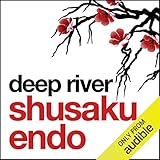
- Audible Audiobook
- Shusaku Endo (Author) - David Holt (Narrator)
- English (Publication Language)
- 01/25/2010 (Publication Date) - Audible Studios (Publisher)
Step-by-Step Plan: Engaging with Deep River by Shūsaku Endō
Engaging with Deep River requires a thoughtful approach to fully appreciate its thematic depth and narrative nuances.
1. Begin with the Introduction of Characters: Pay close attention to the initial introductions of the main characters, such as Mitsuko, Isobe, and Osamu.
- What to look for: Note the specific burdens, anxieties, or spiritual voids each character carries. Endō subtly reveals these through their interactions and internal monologues.
- Mistake to avoid: Rushing past these introductions, assuming they are merely plot devices rather than foundational elements of the characters’ spiritual journeys.
2. Trace the Pilgrimage to India: Follow the characters’ journey from Japan to India and their initial impressions of the country and its spiritual practices.
- What to look for: Observe the stark contrast between the characters’ internal states and the external vibrancy and chaos of India. Note their reactions to Hindu rituals and beliefs.
- Mistake to avoid: Dismissing the Indian setting as mere exotic backdrop; Endō uses it to amplify the characters’ spiritual crises and awakenings.
3. Analyze the Encounters with the Sacred: Focus on the characters’ interactions with the Ganges River and the various spiritual figures they encounter.
- What to look for: Examine how each character interprets or fails to interpret the divine presence they are seeking. Pay attention to the “deep river” metaphor itself.
- Mistake to avoid: Expecting a straightforward depiction of religious epiphany; Endō presents a more complex, often ambiguous, encounter with the sacred.
4. Explore the Theme of Suffering: Delve into the personal tragedies and profound suffering that each character has experienced or is experiencing.
- What to look for: Identify how suffering acts as a catalyst for their spiritual seeking and how it shapes their understanding of faith and God.
- Mistake to avoid: Underestimating the role of suffering; it is central to Endō’s exploration of faith’s resilience and limitations.
5. Examine the Concept of the “Deep River”: Consider the recurring motif of the “deep river” and its symbolic meaning throughout the narrative.
- What to look for: Note how different characters relate to this concept, whether as a source of fear, comfort, or ultimate truth.
- Mistake to avoid: Interpreting the “deep river” as a singular, easily defined entity; its meaning is fluid and multifaceted.
6. Reflect on the Climax and Resolution: Consider the novel’s concluding events and their implications for the characters and the reader.
- What to look for: Assess whether the characters find the answers they sought, and in what form. Evaluate the ambiguity of the resolution.
- Mistake to avoid: Demanding a neat or definitive conclusion; Endō often leaves readers with lingering questions, mirroring the complexities of faith.
7. Consider the Counter-Narrative: Recognize that Deep River by Shūsaku Endō often presents a counter-narrative to conventional, triumphant portrayals of faith.
- What to look for: Identify moments where faith is tested, weakened, or even seemingly absent, and how characters persist or falter.
- Mistake to avoid: Reading the novel as a simple endorsement of religious belief; it is a critical examination of its challenges.
Common Mistakes When Reading Deep River
- Mistake: Expecting a conventional spiritual narrative with clear answers.
- Why it matters: Endō deliberately subverts expectations, presenting faith as a complex, often painful, and ambiguous journey rather than a destination with definitive solutions.
- Fix: Approach the novel with an open mind, ready to engage with uncertainty and paradox, much like the characters themselves.
- Mistake: Focusing solely on the plot and overlooking the theological and philosophical underpinnings.
- Why it matters: The narrative serves as a vehicle for Endō’s profound exploration of faith, suffering, and the divine. The plot’s power lies in its ability to illuminate these deeper themes.
- Fix: Pay attention to the characters’ internal reflections, their dialogue about faith, and the symbolic resonance of the settings and events.
- Mistake: Interpreting the “deep river” as a singular, easily definable symbol.
- Why it matters: The “deep river” is a multi-layered metaphor representing the divine, the unconscious, the flow of life, and the depths of human suffering and love. Its meaning is intentionally fluid.
- Fix: Consider how different characters perceive and interact with the concept of the “deep river” and how its meaning evolves throughout the novel.
- Mistake: Judging characters’ spiritual paths based on external actions or perceived success.
- Why it matters: Endō is interested in the internal struggles and authentic, often flawed, quests for meaning, not necessarily in achieving a universally recognized state of spiritual enlightenment.
- Fix: Empathize with the characters’ individual journeys, acknowledging their unique challenges and their often-unconventional ways of seeking connection.
- Mistake: Underestimating the significance of the Indian setting.
- Why it matters: India, with its ancient spiritual traditions and pervasive suffering, serves as a crucible for the characters’ faith, highlighting both its universality and its specific challenges within different cultural contexts.
- Fix: Research the spiritual and cultural significance of India and the Ganges River to better understand how Endō uses the setting to amplify his thematic concerns.
Quick Comparison
| Option | Best for | Pros | Watch out |
|---|---|---|---|
| Understanding Deep River by Shūsaku Endō A Core Examination | General use | Readers interested in philosophical and theological fiction: Those who apprec… | Mistake to avoid: Rushing past these introductions, assuming they are merely… |
| Who This Book Is For | General use | Individuals seeking nuanced explorations of human vulnerability and spiritual… | Mistake to avoid: Dismissing the Indian setting as mere exotic backdrop; Endō… |
| What to Check First | General use | Author’s Background: Shūsaku Endō was a Japanese Catholic author known for hi… | Mistake to avoid: Expecting a straightforward depiction of religious epiphany… |
| Step-by-Step Plan Engaging with Deep River by Shūsaku Endō | General use | Setting and Symbolism: The novel’s primary setting is India, with the Ganges… | Mistake to avoid: Underestimating the role of suffering; it is central to End… |
Decision Rules
- If reliability is your top priority for Deep River by Shūsaku Endō, choose the option with the strongest long-term track record and support.
- If value matters most, compare total ownership cost instead of headline price alone.
- If your use case is specific, prioritize fit-for-purpose features over generic ‘best overall’ claims.
FAQ
Q: Is Deep River a religious book in the traditional sense?
A: While Deep River is deeply concerned with faith and spirituality, it is not a traditional religious tract. Shūsaku Endō, a Catholic author writing from a Japanese perspective, uses the novel to explore the complexities, doubts, and suffering inherent in the search for the divine, rather than offering simple affirmations.
Q: What is the significance of the “deep river” metaphor in the novel?
A: The “deep river” is a central metaphor representing various profound concepts: the enigmatic nature of God, the overwhelming flow of life and suffering, the depths of human consciousness, and the ultimate mystery of existence. Its meaning is intentionally multifaceted and open to interpretation by both characters and readers.
Q: How does Deep River compare to Endō’s other works, like Silence?
A: Like Silence, Deep River grapples with the endurance of faith in the face of immense suffering and doubt. However, Silence focuses on the persecution of Christians in 17th-century Japan, while Deep River explores a more modern, globalized spiritual quest, using India as its backdrop to examine universal human vulnerability and the search for God in contemporary life.
Q: Is the novel hopeful or despairing?
A: Deep River navigates a delicate balance between hope