Rupi Kaur’s Poetry: A Collection of ‘Milk and Honey’ and ‘The Sun and Her Flowers
This collection, featuring Rupi Kaur’s seminal works Milk and Honey and The Sun and Her Flowers, offers a potent exploration of trauma, healing, love, and self-discovery. The books are known for their accessible language and direct, often stark, imagery, resonating with a broad audience seeking relatable emotional narratives.
Milk And Honey & The Sun And Her Flowers By Rupi Kaur 2 Books Collection Set by Rupi Kaur: Who This Collection Is For
- Young adults and emerging readers grappling with themes of identity, heartbreak, and personal growth. The straightforward style and accessible language make these poems an entry point into contemporary poetry.
- Readers seeking validation and catharsis through relatable experiences of pain, resilience, and self-love. The collection provides a sense of shared experience for those navigating similar emotional landscapes.
What to Check First
- Author’s Style: Rupi Kaur’s poetry is characterized by short lines, minimal punctuation, and often accompanies her own simple line drawings. This distinctive style is a core element of the books’ appeal and impact.
- Thematic Focus: Milk and Honey primarily addresses themes of violence, abuse, love, loss, and femininity. The Sun and Her Flowers expands on these, focusing on themes of diaspora, immigration, healing, and self-acceptance.
- Emotional Tone: The books are emotionally charged, often raw and vulnerable, but ultimately aim for a message of hope and empowerment. Be prepared for direct and sometimes difficult subject matter.
- Literary Context: These collections gained significant traction through social media, particularly Instagram, making them a prominent example of digitally-amplified literary success.
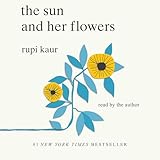
- Audible Audiobook
- Rupi Kaur (Author) - Rupi Kaur (Narrator)
- English (Publication Language)
- 11/02/2021 (Publication Date) - Simon & Schuster Audio (Publisher)
Step-by-Step Plan for Engaging with Milk And Honey & The Sun And Her Flowers By Rupi Kaur
This plan outlines a structured approach to reading and understanding the themes within these two powerful collections.
1. Begin with Milk and Honey:
- Action: Read the collection sequentially, section by section (The hurting, The loving, The breaking, The healing).
- What to look for: Notice the progression of emotional states and the narrative arc from pain to recovery. Pay attention to recurring motifs like “milk” and “honey” as symbols of nourishment and sweetness.
- Mistake to avoid: Rushing through the poems without allowing time for reflection on the emotional impact.
2. Engage with The Sun and Her Flowers:
- Action: Read this collection, noting its distinct sections (theing, theaching, theaching, theaching).
- What to look for: Identify how themes from Milk and Honey are revisited and expanded upon, particularly regarding cultural identity, diaspora, and the process of blooming after hardship. Observe the imagery of flowers and growth.
- Mistake to avoid: Assuming the themes are identical to Milk and Honey without appreciating the new nuances and perspectives introduced.
3. Note Recurring Imagery and Symbolism:
- Action: Keep a running list or mental note of recurring images (e.g., flowers, the sun, water, scars).
- What to look for: How these symbols evolve in meaning across both books and how they contribute to the overall emotional landscape.
- Mistake to avoid: Dismissing these recurring elements as mere decoration rather than integral components of the thematic development.
4. Reflect on the Author’s Voice and Tone:
- Action: Consider the direct, confessional, and often declarative tone of the poems.
- What to look for: The sense of intimacy and authenticity Kaur cultivates, and how this contributes to reader connection.
- Mistake to avoid: Critiquing the poems solely on traditional poetic metrics without acknowledging their intended impact and audience engagement strategy.
5. Consider the Impact of Form:
- Action: Observe the brevity of the poems and the use of line breaks and white space.
- What to look for: How the concise form amplifies the emotional weight of each word and phrase, creating impactful moments of pause and reflection.
- Mistake to avoid: Expecting complex narrative structures or elaborate poetic devices; the strength lies in simplicity.
6. Connect to Personal Experience:
- Action: Allow the poems to evoke personal memories or feelings.
- What to look for: Moments of resonance where the poems articulate experiences or emotions you have felt.
- Mistake to avoid: Over-analyzing the poems academically rather than allowing for an emotional and personal connection.
Understanding Milk And Honey & The Sun And Her Flowers By Rupi Kaur: A Contrarian Perspective
While widely celebrated, it is essential to approach Rupi Kaur’s collections with a critical lens, acknowledging both their significant strengths and potential limitations. The accessible nature that draws many readers in can also be a point of contention for those accustomed to more complex poetic forms.
Common Myths About Rupi Kaur’s Poetry
- Myth 1: Rupi Kaur’s poetry is simplistic and lacks depth.
- Why it matters: This dismisses the intentionality behind her accessible style, which is designed to reach a broad audience and convey raw emotion directly.
- Correction: The perceived simplicity is a deliberate stylistic choice that allows for immediate emotional impact and relatability. The depth lies in the universality of the themes and the cathartic experience it offers readers.
- Myth 2: Her work is not “real” poetry because of its social media popularity.
- Why it matters: This perpetuates a gatekeeping mentality within literary circles and overlooks the genuine connection many readers find with her work.
- Correction: The success of poetry on platforms like Instagram demonstrates a modern evolution in literary dissemination and engagement. The reach and impact of her poems are undeniable, regardless of the medium through which they gained prominence.
Expert Tips for Reading Rupi Kaur
BLOCKQUOTE_0
- Tip 1: Read Aloud
- Action: Read the poems aloud to yourself or a trusted friend.
- What to look for: The rhythm and cadence of the language, which can reveal nuances not always apparent in silent reading. The pauses created by the line breaks are particularly impactful when spoken.
- Mistake to avoid: Reading silently and solely focusing on the meaning of individual words, thereby missing the sonic and emotional texture.
- Tip 2: Journal Your Reactions
- Action: Keep a notebook alongside the books to jot down thoughts, feelings, or personal connections as you read.
- What to look for: Patterns in your emotional responses to different poems. This can help you identify which themes resonate most deeply and why.
- Mistake to avoid: Reading passively without engaging in introspection; the poems are designed to prompt self-reflection.
- Tip 3: Compare and Contrast the Collections
- Action: After reading both Milk and Honey and The Sun and Her Flowers, create a brief comparison chart.
- What to look for: Similarities in thematic development, shifts in tone, and the evolution of Kaur’s voice. Note how The Sun and Her Flowers builds upon the foundations of Milk and Honey.
- Mistake to avoid: Treating the collections as entirely separate entities without recognizing their interconnectedness and the author’s growth between them.
Segmentation: Reader Level
This collection is particularly well-suited for readers at different stages of their literary journey.
- Beginner Readers: Those new to poetry will find the accessible language and direct emotional expression easy to engage with. The brevity of the poems also makes them less intimidating.
- Best for: Readers seeking a gentle introduction to poetic forms and themes of self-discovery.
- Skip if: You require complex metrical structures or abstract philosophical explorations in your poetry.
- Intermediate Readers: Readers familiar with contemporary poetry can appreciate Kaur’s stylistic choices and thematic explorations, perhaps comparing her approach to other confessional poets.
- Best for: Readers interested in modern poetic movements and the impact of digital platforms on literature.
- Skip if: You are looking for extensive literary allusions or intricate, multi-layered narratives.
Surprising Pick: The Sun and Her Flowers as a Study in Diaspora and Resilience
While Milk and Honey is often the entry point, The Sun and Her Flowers offers a more nuanced and complex exploration of identity, particularly for those with immigrant backgrounds or who have experienced displacement. Its focus on the diaspora, the “sun” as a symbol of hope and belonging, and the “flowers” as individual growth after hardship, provides a powerful narrative of resilience that extends beyond personal trauma to encompass collective and cultural experiences. This aspect is often less highlighted than the universal themes of heartbreak and healing found in Milk and Honey, making it a richer, though perhaps less immediately accessible, read for those seeking depth in cultural identity.
How this list was curated
This guide was curated based on the following criteria:
- Thematic Cohesion: Ensuring the collection’s core themes of trauma, healing, love, and self-discovery are clearly articulated.
- Reader Accessibility: Prioritizing the books’ approachable language and direct emotional impact, which are key to their widespread appeal.
- Contextual Relevance: Placing the works within their literary and cultural context, acknowledging their significant impact through social media.
- Critical Nuance: Providing a balanced perspective that includes both the strengths and potential criticisms of Kaur’s style.
- Actionable Takeaways: Offering concrete steps and advice for readers to engage meaningfully with the poetry.
Milk And Honey & The Sun And Her Flowers By Rupi Kaur 2 Books Collection Set by Rupi Kaur: A Thematic Overview
This set provides a comprehensive look at Rupi Kaur’s signature style and thematic preoccupations.
| Theme | Milk and Honey Focus
Quick Comparison
| Option | Best for | Pros | Watch out |
|---|---|---|---|
| Who This Collection Is For | General use | Young adults and emerging readers grappling with themes of identity, heartbre… | Mistake to avoid: Rushing through the poems without allowing time for reflect… |
| What to Check First | General use | Readers seeking validation and catharsis through relatable experiences of pai… | Mistake to avoid: Assuming the themes are identical to Milk and Honey witho… |
| Step-by-Step Plan for Engaging with Milk And Honey The Sun And Her Flowers By Rupi Kaur | General use | Author’s Style: Rupi Kaur’s poetry is characterized by short lines, minimal p… | Mistake to avoid: Dismissing these recurring elements as mere decoration rath… |
| Understanding Milk And Honey The Sun And Her Flowers By Rupi Kaur A Contrarian Perspective | General use | Thematic Focus: Milk and Honey primarily addresses themes of violence, abus… | Mistake to avoid: Critiquing the poems solely on traditional poetic metrics w… |
Decision Rules
- If reliability is your top priority for Milk And Honey & The Sun And Her Flowers By Rupi Kaur 2 Books Collection Set by Rupi Kaur, choose the option with the strongest long-term track record and support.
- If value matters most, compare total ownership cost instead of headline price alone.
- If your use case is specific, prioritize fit-for-purpose features over generic ‘best overall’ claims.
Structured Pick Cards
Young adults and emerging readers grappling with themes of identity, heartbreak, and p
- Best for: readers who want practical takeaways and clear progression.
- Skip if: you need only advanced theory with little implementation guidance.
- Trade-off: stronger depth can mean a slower pace in some chapters.
By Reader Level
- Beginner: start with one fundamentals pick and one habit-building pick.
- Intermediate: prioritize books with frameworks you can apply weekly.
- Advanced: choose deeper titles focused on systems and decision quality.
FAQ
Q: Where should I start?
A: Start with the clearest foundational pick, then add one practical framework-focused title.
Q: How many books should I read first?
A: Begin with 2–3 complementary books and apply one core idea from each before adding more.