Roshani Chokshi’s ‘Aru Shah And The End Of Time’ Explained
This analysis focuses on Roshani Chokshi’s middle-grade novel, “Aru Shah And The End Of Time.” It provides a structured breakdown of the book’s narrative elements, target audience, and key considerations for readers, emphasizing clarity and practical takeaways.
Aru Shah And The End Of Time by Roshani Chokshi: Quick Answer
- “Aru Shah And The End Of Time” is a middle-grade fantasy novel that blends contemporary storytelling with Hindu mythology, centering on a young protagonist who inadvertently triggers an ancient conflict.
- This book is best suited for readers aged 8-12 who enjoy fast-paced fantasy adventures, mythological themes, and stories about personal growth and overcoming challenges.
- Readers should consider their preference for series formats and their openness to engaging with non-Western mythological systems, as these are integral to the book’s structure and appeal.
Who This Is For
- Middle-grade readers (ages 8-12) seeking an imaginative fantasy adventure that introduces elements of Hindu mythology in an accessible way.
- Parents and educators looking for literature that offers cultural enrichment and broadens perspectives while delivering a compelling and character-driven narrative.
What To Check First
- Series Structure: This novel is the first in a planned series. Readers should be aware that it establishes characters, plot threads, and world-building that will continue in subsequent books.
- Mythological Content: The book is rich with Hindu mythology. While the author provides necessary context within the narrative, prior familiarity can enhance appreciation, though it is not a prerequisite for enjoyment.
- Narrative Voice: The story is told from Aru’s first-person perspective. Her voice is characterized by humor, insecurity, and a tendency to embellish, which shapes the reader’s experience of events.
- Pacing and Plot: The narrative features a brisk pace, with significant plot developments occurring rapidly to propel the adventure forward and maintain reader engagement.
If you’re looking for a captivating middle-grade fantasy that beautifully weaves in Hindu mythology, Roshani Chokshi’s ‘Aru Shah And The End Of Time’ is an excellent choice. It’s perfect for young readers who love adventure and learning about different cultures.
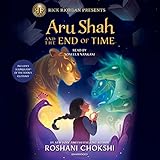
- Audible Audiobook
- Roshani Chokshi (Author) - Soneela Nankani (Narrator)
- English (Publication Language)
- 03/27/2018 (Publication Date) - Listening Library (Publisher)
Step-by-Step Plan for Understanding Aru Shah And The End Of Time
1. Analyze Aru’s Initial Characterization: Examine Aru Shah’s personality and motivations at the start of the novel, focusing on her insecurities and propensity for storytelling.
- Action: Read the opening chapters carefully, noting Aru’s interactions with her peers and her internal monologue.
- What to look for: The specific instances where Aru feels inadequate and her reasons for fabricating stories about her family and background.
- Mistake: Interpreting Aru’s initial lies as simple dishonesty rather than a complex coping mechanism born from social anxiety and a desire for acceptance.
2. Identify the Inciting Incident: Pinpoint the precise moment Aru lights the “forbidden” lamp and the immediate, dramatic consequences that follow.
- Action: Note the exact sequence of events leading up to and immediately following the lighting of the lamp.
- What to look for: The specific action of lighting the lamp and the subsequent release of the Lord of Death’s demons.
- Mistake: Underestimating the significance of this single act of defiance, failing to recognize its far-reaching impact on the story’s central conflict.
3. Map Mythological Connections: Trace how Hindu mythological figures, concepts, and narratives are introduced and integrated into the plot.
- Action: Pay attention to character introductions and explanations of their origins and roles.
- What to look for: The introduction of characters derived from the Pandavas and their mythological significance, as well as the explanations provided for various deities and creatures.
- Mistake: Treating the mythological elements as mere decorative details rather than as foundational components that drive the plot and inform character motivations.
4. Deconstruct the Quest Narrative: Follow the journey undertaken by Aru and her companions to avert the impending doom.
- Action: Track the progression of the quest, noting the challenges faced and the allies encountered.
- What to look for: The specific trials Aru and her friends must overcome, the magical artifacts they seek, and the strategic decisions they make.
- Mistake: Viewing the quest as a simple linear progression of events without recognizing its deeper symbolic or mythological resonances.
5. Evaluate Character Arc and Development: Observe Aru’s transformation and growth throughout the narrative.
- Action: Compare Aru’s actions and internal state at the beginning of the book with her state at the conclusion.
- What to look for: How Aru confronts her fears, learns from her mistakes, and develops increased courage and self-reliance.
- Mistake: Focusing exclusively on the external plot progression and neglecting the internal character development that is central to the story’s themes.
6. Analyze the Impact of Narrative Voice: Examine how Aru’s first-person narration influences the reader’s perception and engagement with the story.
- Action: Consider how Aru’s personal voice colors the descriptions and events.
- What to look for: The use of humor, sarcasm, and Aru’s subjective commentary to shape the reader’s understanding and emotional response.
- Mistake: Expecting an objective or omniscient narrative perspective, which would fundamentally alter the story’s intimacy and tone.
Common Myths About Aru Shah And The End Of Time
- Myth: Extensive prior knowledge of Hindu mythology is a prerequisite for enjoying the book.
- Why it matters: This belief can deter readers who feel intimidated by unfamiliar cultural or religious contexts, limiting their engagement with potentially rewarding literature.
- Fix: Roshani Chokshi has intentionally crafted the narrative to be accessible. The book introduces mythological concepts organically, providing necessary explanations within the story itself. Readers can learn and appreciate the mythology as they progress through the narrative.
- Myth: Aru Shah is portrayed as an inherently perfect or heroic figure from the outset.
- Why it matters: This misconception overlooks the core theme of personal growth and the relatable nature of the protagonist’s journey, which is a significant strength of the book.
- Fix: Aru is intentionally written with pronounced flaws, insecurities, and a tendency to make poor decisions. Her development into a capable hero is a central and compelling aspect of the story’s appeal.
- Myth: The book’s appeal is confined to readers of Indian descent or those familiar with the culture.
- Why it matters: This perception underestimates the universal themes and broad appeal of well-crafted fantasy literature that transcends specific cultural origins.
- Fix: While rooted in Hindu mythology, the book explores universal themes of identity, friendship, courage, and overcoming adversity. These themes resonate broadly with a diverse global readership, making the story universally accessible.
Decision Rules for Readers
- If a primary decision criterion for “Aru Shah And The End Of Time by Roshani Chokshi” is its authentic representation and integration of non-Western mythology, this book presents a strong case for selection. Readers specifically seeking this will find it highly valuable.
- If the reader’s primary constraint is a strong preference for exclusively Western fantasy tropes and mythologies, this book may require a greater adjustment in perspective and might not be the optimal choice for immediate engagement.
- If the objective is to introduce a young reader to diverse mythologies in an engaging and accessible format, this book serves as an excellent gateway, provided the reader is open to exploring new cultural narratives.
FAQ
- Q1: Is “Aru Shah And The End Of Time” suitable for a 7-year-old?
- A1: While some 7-year-olds may enjoy it with parental guidance, the book’s complexity in its mythological elements and thematic depth are generally better suited for readers aged 8 and up.
- Q2: How does this book compare to other popular middle-grade fantasy series like Percy Jackson?
- A2: Similar to the Percy Jackson series, “Aru Shah And The End Of Time” utilizes mythology as a foundational element for its adventure narratives. However, it distinguishes itself by drawing from Hindu mythology, offering a unique cultural perspective and introducing a different pantheon of gods and mythical creatures.
- Q3: What is the primary thematic takeaway from “Aru Shah And The End Of Time”?
- A3: A central theme is the importance of embracing one’s true self, including imperfections, and finding courage through self-acceptance. The book emphasizes that true bravery often arises from acknowledging fear and making difficult but necessary choices.
BLOCKQUOTE_0
Aru Shah And The End Of Time by Roshani Chokshi: Mythological Framework
This section details the specific integration of Hindu mythology within “Aru Shah And The End Of Time by Roshani Chokshi,” highlighting its narrative function and reader engagement points.
| Mythological Element | Description in Book | Narrative Function | Reader Takeaway |
|---|---|---|---|
| The Pandavas | Ancestral figures whose lineage is inherited by Aru and her companions. | Establishes the protagonists’ destined roles and the underlying cosmic conflict. | Understanding of inherited responsibilities and the concept of destiny. |
| Lord of Death (Yama) | The antagonist whose demons are unleashed, creating the central crisis. | Drives the primary conflict and provides the immediate threat that Aru must confront. | The importance of balance in the universe and the consequences of disrupting it. |
| Rakshasas | Demonic beings encountered as antagonists throughout the protagonists’ journey. | Serve as obstacles that test the characters’ courage, wit, and teamwork. | The nature of evil and the ongoing need for vigilance against dark forces. |
| Hindu Pantheon | Various deities and mythological beings referenced or playing supporting roles. | Enriches the world-building, providing cultural authenticity and a |