Rick Riordan’s The Tower Of Nero: A Percy Jackson Adventure
The Tower Of Nero by Rick Riordan serves as the concluding volume in the Trials of Apollo series, bringing to a close Apollo’s demigod journey. This analysis is intended for readers seeking a critical understanding of the book’s narrative structure, thematic resonance, and overall value within the broader Percy Jackson universe. It focuses on concrete takeaways and evaluative criteria for readers.
The Tower Of Nero by Rick Riordan: Who This Is For
- Fans of the Trials of Apollo Series: This book is essential for readers invested in the ongoing narrative of Apollo’s demotion and redemption. It provides the definitive resolution to the overarching plot threads established in the previous four novels.
- Young Adult Readers Appreciating Mythological Integration: The novel appeals to an audience that enjoys fast-paced adventures, the blending of ancient Greek mythology with contemporary settings, and the exploration of character development through challenging circumstances.
What to Check First
- Series Continuity: The Tower Of Nero is the fifth and final book in the Trials of Apollo series. Reading it without prior knowledge of the preceding installments (The Hidden Oracle, The Dark Prophecy, The Burning Maze, The Tyrant’s Tomb) will result in a significant lack of context regarding characters, plot, and stakes.
- Apollo’s Character Arc: The core of the series, and this book, is Apollo’s journey from an arrogant, immortal god to a more humbled, self-aware demigod. Readers should be aware of his established transformation and the emotional weight he carries.
- Meg McCaffrey’s Role: Meg’s personal journey, particularly her complex relationship with Nero, is central to the narrative’s thematic exploration of trauma, power, and choice. Her agency and development are as critical as Apollo’s.
- Thematic Core: The series consistently explores themes of redemption, self-acceptance, the nature of divinity versus humanity, and the consequences of past actions. Understanding these themes enhances the reader’s appreciation of the narrative’s depth.
Step-by-Step Plan for Engaging with The Tower Of Nero
This structured approach ensures a thorough engagement with the narrative elements and thematic complexities of The Tower Of Nero.
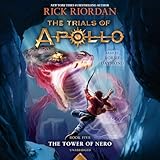
- Audible Audiobook
- Rick Riordan (Author) - Robbie Daymond (Narrator)
- English (Publication Language)
- 10/06/2020 (Publication Date) - Listening Library (Publisher)
1. Assess the Immediate Objective:
- Action: Identify the primary goal Apollo and Meg must achieve at the outset of the novel and the immediate threat they face.
- What to Look For: The specific dangers posed by Nero and the Triumvirate, and the stakes for the demigod world. In The Tower Of Nero, this involves confronting Nero directly within his stronghold.
- Mistake to Avoid: Underestimating the immediate peril or the established power of the antagonists. This can lead to a diminished appreciation of the narrative tension.
2. Monitor Apollo’s Internal State:
- Action: Observe Apollo’s reactions, internal monologues, and interactions with Meg and other characters.
- What to Look For: Evidence of his ongoing struggle with his divine ego, his burgeoning empathy, and his acceptance of his mortal limitations. Note how his past actions weigh on him.
- Mistake to Avoid: Dismissing Apollo’s internal conflicts as mere divine petulance. His journey is a significant character arc, and overlooking its nuances weakens the thematic impact.
3. Evaluate Meg’s Agency and Decision-Making:
- Action: Focus on Meg’s independent actions, her motivations, and her active participation in key plot points.
- What to Look For: Her internal conflicts, her growing resilience, and her critical contributions to overcoming obstacles. Riordan positions her as a vital co-protagonist.
- Mistake to Avoid: Viewing Meg as a secondary character who exists solely to support Apollo. Her independent arc and choices are integral to the novel’s resolution and thematic strength.
4. Analyze the Pacing and Action Integration:
- Action: Note the rhythm of the plot, observing the balance between dialogue, exposition, and action sequences.
- What to Look For: The effectiveness of combat and confrontation scenes in advancing the plot, revealing character, and building tension. Riordan is known for his dynamic pacing.
- Mistake to Avoid: Treating action sequences as mere spectacle. Each confrontation should serve a narrative purpose, contributing to character development or plot progression.
5. Examine Mythological and Historical Integration:
- Action: Identify the mythological figures, creatures, and historical elements Riordan incorporates.
- What to Look For: How these elements are creatively adapted to the contemporary setting and how they drive the plot. The historical context of Nero and Roman practices is particularly relevant.
- Mistake to Avoid: Considering the mythological elements as superficial additions. Their integration is fundamental to the world-building and the narrative’s internal logic.
6. Assess the Climax and Series Resolution:
- Action: Evaluate the final confrontation with Nero and its impact on the characters and the overarching narrative.
- What to Look For: Whether the resolution feels earned, satisfying, and consistent with the established character arcs and thematic explorations. The confrontation in The Tower Of Nero directly addresses the Triumvirate’s threat.
- Mistake to Avoid: Expecting a simple, uncomplicated victory. The series often emphasizes that significant achievements come with sacrifices and lasting consequences.
The Tower Of Nero by Rick Riordan: A Thematic Examination
The Tower Of Nero by Rick Riordan concludes the Trials of Apollo saga by focusing on the ultimate confrontation with the Triumvirate, particularly the ancient Roman emperor Nero. The novel delves deeply into themes of redemption, the burden of past actions, and the complex nature of forgiveness, both divine and human. Apollo’s journey, marked by his demotion and forced mortality, serves as the primary vehicle for exploring these themes. His struggles with his own arrogance and his growing understanding of mortal suffering are central to his arc. Meg McCaffrey, his companion, also navigates her own complex past and her connection to Nero, adding layers to the narrative’s exploration of inherited trauma and the choice between vengeance and compassion.
The book’s strength lies in its ability to weave these profound themes into a fast-paced, action-packed narrative that remains accessible to its target audience. Riordan’s characteristic humor, though present, is often tempered by the gravity of the situations, particularly as Apollo grapples with the consequences of his divine hubris. The final confrontation in the titular Tower of Nero is not merely a physical battle but a culmination of emotional and psychological struggles for both Apollo and Meg. The resolution offers a sense of closure for the series, providing a satisfying conclusion to Apollo’s long journey toward self-awareness and acceptance.
Common Myths About The Tower Of Nero
- Myth 1: The Tower Of Nero is a lighthearted, standalone adventure.
- Correction: This assumption overlooks the book’s role as the concluding installment of a five-book series. Missing the preceding narrative significantly diminishes understanding of character motivations and plot resolution.
- Evidence: The novel directly references events and character arcs established in The Hidden Oracle, The Dark Prophecy, The Burning Maze, and The Tyrant’s Tomb. Without this context, the emotional weight and plot drivers are largely lost.
- Myth 2: Apollo’s transformation is solely a result of his punishment.
- Correction: While his demotion to human form is a catalyst, Apollo’s growth is fundamentally driven by his active choices, his relationships, and his conscious effort to learn and empathize.
- Evidence: Throughout the series, Apollo makes deliberate decisions to act against his initial divine impulses, demonstrating a developing moral compass shaped by his experiences and interactions, particularly with Meg.
- Myth 3: Meg McCaffrey is a secondary character solely supporting Apollo.
- Correction: Meg is presented as a co-protagonist with her own significant character arc, internal conflicts, and crucial agency in driving the plot forward.
- Evidence: Meg’s personal history with Nero, her internal struggle between duty and personal desire, and her independent actions in key moments highlight her central role and her development independent of Apollo.
Expert Tips for Reading The Tower Of Nero
- Tip 1: Deconstruct Divine-Mortal Dichotomies.
- Actionable Step: When Apollo exhibits frustration or arrogance, analyze it through the lens of millennia of divine existence clashing with his current mortal limitations. Identify moments where his divine nature provides unique insight or creates specific obstacles.
- Common Mistake to Avoid: Judging Apollo solely by mortal standards without accounting for his ingrained divine ego and perspective. This can lead to a superficial understanding of his character arc and the narrative’s thematic exploration of identity.
- Tip 2: Analyze Nero’s Enduring Influence.
- Actionable Step: Pay close attention to how Nero’s actions, even when off-page, continue to affect the characters and the world. Note the specific historical aspects Riordan incorporates and how they manifest in the narrative’s present conflict.
- Common Mistake to Avoid: Treating Nero as a purely archetypal villain without acknowledging the historical context and the complex ways his power and legacy are depicted. Understanding this complexity is key to appreciating the antagonist’s role.
- Tip 3: Recognize the Cost of Resolution.
- Actionable Step: As the narrative approaches its climax, actively look for the sacrifices made by characters and the lingering consequences of their battles. The resolution of The Tower Of Nero is not without its emotional toll.
- Common Mistake to Avoid: Expecting a simplistic, universally happy ending where all problems are neatly resolved without lasting impact. Riordan’s series often explore the bittersweet nature of heroism and the enduring effects of conflict.
Quick Comparison Table
| Feature | The Tower Of Nero | Previous Trials of Apollo Books | Percy Jackson & The Olympians Series |
|---|---|---|---|
| Series Placement |
Decision Rules
- If reliability is your top priority for The Tower Of Nero by Rick Riordan, choose the option with the strongest long-term track record and support.
- If value matters most, compare total ownership cost instead of headline price alone.
- If your use case is specific, prioritize fit-for-purpose features over generic ‘best overall’ claims.