Peter Attia’s Outlive: Key Takeaways And Insights
This guide distills the core principles of Peter Attia’s Outlive: The Science and Art of Longevity, focusing on actionable strategies for readers seeking to extend their healthspan. It examines the book’s foundational concepts, potential areas for deeper consideration, and practical applications for a proactive approach to long-term well-being.
Outlive by Peter Attia: Core Principles
- Outlive advocates for a proactive, science-driven approach to extending healthspan by focusing on preventing chronic diseases rather than treating them.
- Key pillars of longevity identified are exercise (strength, aerobic capacity), metabolic health, sleep quality, and emotional well-being.
- The book promotes a personalized, data-informed strategy for health management, encouraging active reader participation in their long-term vitality.
Who This Is For
- Individuals seeking a comprehensive, evidence-based framework for extending healthspan—the period of life spent in good health.
- Those looking for practical, actionable steps to mitigate the risks of age-related chronic diseases and enhance their quality of life.
What to Check First
Before implementing strategies from Outlive, consider these foundational elements:
- Current Health Metrics: Obtain recent blood work, including a lipid panel, HbA1c, and inflammatory markers, to establish a baseline. Discuss these with your physician.
- Personal Risk Factors: Document any family history of chronic diseases (cardiovascular, cancer, neurodegenerative) or personal genetic predispositions.
- Lifestyle Assessment: Conduct an honest review of your current diet, exercise habits, sleep patterns, and stress management techniques.
- Health Goals: Clearly define what “healthspan” means to you and what specific outcomes you aim to achieve through these interventions.
Step-by-Step Plan for Implementing Outlive Principles
Implementing the strategies from Outlive requires a structured approach. Here’s a plan to integrate its core tenets into your life.
1. Prioritize Exercise as Medicine:
- Action: Integrate a balanced exercise regimen including at least two weekly strength training sessions and consistent aerobic conditioning (Zone 2 cardio and interval training).
- What to Look For: Progressive overload in strength training, measurable improvements in cardiovascular metrics (e.g., resting heart rate, estimated VO2 max), and the capacity for sustained moderate-intensity aerobic activity.
- Mistake to Avoid: Focusing exclusively on one form of exercise, such as only cardiovascular training or only weightlifting, thereby missing the synergistic benefits of a comprehensive program.
2. Optimize Metabolic Health:
- Action: Adopt a dietary pattern that supports stable blood glucose levels, emphasizing whole, unprocessed foods. Consider continuous glucose monitoring for personalized insights.
- What to Look For: Consistent energy levels throughout the day, absence of post-meal fatigue, and favorable readings for HbA1c and fasting glucose.
- Mistake to Avoid: Adhering to unsustainable fad diets or highly restrictive eating patterns that lack nutritional completeness, without understanding their impact on metabolic markers.
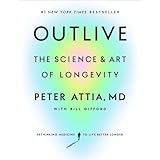
- Audible Audiobook
- Peter Attia MD (Author) - Peter Attia MD (Narrator)
- English (Publication Language)
- 03/28/2023 (Publication Date) - Random House Audio (Publisher)
3. Systematically Improve Sleep Quality:
- Action: Establish a consistent sleep schedule, optimize your sleep environment (dark, quiet, cool), and implement a relaxing pre-sleep routine. Aim for 7-9 hours of restorative sleep.
- What to Look For: Feeling adequately rested upon waking, maintaining consistent sleep onset and wake times, and minimal daytime sleepiness. Sleep tracking devices can offer objective data.
- Mistake to Avoid: Consistently deprioritizing sleep for other activities or relying on stimulants to compensate for chronic sleep deprivation, which undermines long-term health.
4. Address Emotional and Mental Well-being:
- Action: Proactively manage stress through techniques like mindfulness or meditation. Cultivate strong social connections and seek professional support for mental health concerns.
- What to Look For: Enhanced resilience to stressors, a clear sense of purpose, and healthy interpersonal relationships.
- Mistake to Avoid: Neglecting the significant impact of chronic stress and social isolation on physical health, or delaying professional intervention for mental health challenges.
5. Engage in Proactive Health Monitoring:
- Action: Collaborate with healthcare providers to establish a personalized screening schedule based on your specific risk factors, prioritizing early detection.
- What to Look For: Understanding the rationale behind recommended screenings and actively participating in interpreting results with your physician.
- Mistake to Avoid: Adopting a passive approach to healthcare, relying solely on routine check-ups without understanding individual risks or engaging in preventative measures.
Outlive by Peter Attia: Navigating Longevity Strategies
Peter Attia’s Outlive provides a detailed roadmap for extending healthspan, emphasizing a shift from disease management to proactive health optimization. The book systematically addresses the “Four Horsemen” of chronic disease: cardiovascular disease, cancer, neurodegenerative disease, and metabolic dysfunction. Attia advocates for a personalized, data-driven approach, integrating exercise, nutrition, sleep, and emotional health as foundational pillars of longevity.
A significant strength of Outlive is its in-depth exploration of exercise physiology. Attia highlights the critical roles of strength training and aerobic capacity (specifically Zone 2 and VO2 max training) in preserving physical function and mitigating age-related decline. He provides concrete metrics and training principles, moving beyond generalized advice. For example, the book details how resistance training directly supports muscle mass and mitochondrial function, crucial for metabolic health and overall vitality.
However, the book’s scientific depth, while valuable for understanding the underlying mechanisms, may present a challenge for readers seeking simpler guidance. The emphasis on quantitative metrics and personalized data requires a high level of engagement and potentially financial investment in tools like wearable technology or specialized lab tests, which might not be universally accessible or desirable.
Common Myths Addressed in Outlive
- Myth: Longevity is primarily dictated by genetics.
- Why it matters: This belief can foster a passive attitude towards health, leading individuals to feel their health outcomes are predetermined and unchangeable.
- Correction: While genetics are a factor, Attia strongly emphasizes that lifestyle choices—including exercise, nutrition, sleep, and emotional health—have a profound and often dominant influence on healthspan and disease risk. The book presents evidence that strategic lifestyle interventions can significantly alter health trajectories.
- Myth: Focusing solely on extending lifespan is the ultimate goal.
- Why it matters: A long life devoid of physical capability, cognitive function, or overall well-being is not the ideal outcome of longevity efforts.
- Correction: Outlive champions healthspan, defined as the period of life lived in good health, free from chronic disease and disability. Attia argues that the primary objective should be maintaining physical and cognitive function to enable active, independent living for as long as possible.
Expert Tips for Maximizing Healthspan
- Tip 1: Consistently Incorporate Zone 2 Cardio.
- Actionable Step: Aim for 3-4 sessions per week of Zone 2 cardio, lasting 30-60 minutes each. Maintain an intensity where you can comfortably hold a conversation.
- Common Mistake to Avoid: Frequently exceeding Zone 2 intensity, which can impede recovery and is less effective for building foundational aerobic capacity compared to sustained, moderate effort.
- Tip 2: Prioritize Adequate Protein Intake for Muscle Preservation.
- Actionable Step: Distribute sufficient protein intake throughout the day, aiming for approximately 0.7 to 1 gram per pound of body weight, particularly around resistance training sessions.
- Common Mistake to Avoid: Underestimating protein requirements, especially as one ages, which can contribute to sarcopenia (age-related muscle loss) and hinder exercise recovery.
- Tip 3: Treat Sleep Hygiene as a Non-Negotiable Health Pillar.
- Actionable Step: Establish a consistent bedtime and wake-up time, seven days a week, and develop a relaxing wind-down routine 60-90 minutes before sleep.
- Common Mistake to Avoid: Viewing sleep as flexible, frequently staying up late or exposing yourself to bright light before bed, thereby disrupting your circadian rhythm and compromising sleep quality.
BLOCKQUOTE_0
Frequently Asked Questions
- Q: Is Outlive suitable for someone with no prior knowledge of health science?
- A: While Outlive is scientifically rigorous, Peter Attia aims to make complex topics accessible. Readers with a strong interest in health and a willingness to engage with detailed explanations will benefit most. Those seeking a very basic introduction might find it dense initially but can still extract valuable actionable advice.
- Q: How does Outlive differ from other longevity books?
- A: Outlive distinguishes itself by its intense focus on exercise as a primary intervention and its structured approach to combating the “Four Horsemen” of chronic disease. It emphasizes proactive prevention through precise, data-informed strategies rather than general wellness advice.
- Q: What is the most critical takeaway from Outlive regarding diet?
- A: The most critical takeaway is that there is no single “best” diet for everyone. Instead, the emphasis is on finding a sustainable dietary pattern that supports metabolic health, provides adequate nutrients, and aligns with individual goals and preferences, while avoiding chronic overconsumption.
- Q: Can I implement Outlive‘s principles without expensive equipment or supplements?
- A: Yes. While some advanced monitoring tools can enhance personalization, the core principles of exercise, mindful eating, sleep optimization, and stress management can be implemented effectively with readily available resources. The foundational strategies do not require significant financial investment.
Decision Criteria for Adopting Outlive Principles
When considering the implementation of Peter Attia’s Outlive framework, a key decision criterion is **your willingness
Quick Comparison
| Option | Best for | Pros | Watch out |
|---|---|---|---|
| Outlive by Peter Attia Core Principles | General use | Outlive advocates for a proactive, science-driven approach to extending hea… | Mistake to Avoid: Focusing exclusively on one form of exercise, such as only… |
| Who This Is For | General use | Key pillars of longevity identified are exercise (strength, aerobic capacity)… | Mistake to Avoid: Adhering to unsustainable fad diets or highly restrictive e… |
| What to Check First | General use | The book promotes a personalized, data-informed strategy for health managemen… | Mistake to Avoid: Consistently deprioritizing sleep for other activities or r… |
| Step-by-Step Plan for Implementing Outlive Principles | General use | Individuals seeking a comprehensive, evidence-based framework for extending h… | Mistake to Avoid: Neglecting the significant impact of chronic stress and soc… |
Decision Rules
- If reliability is your top priority for Outlive by Peter Attia, choose the option with the strongest long-term track record and support.
- If value matters most, compare total ownership cost instead of headline price alone.
- If your use case is specific, prioritize fit-for-purpose features over generic ‘best overall’ claims.