Otfried Preußler’s Krabat: A Dark Fairy Tale
Quick Answer
- Krabat by Otfried Preußler is a profound, dark fairy tale set in 17th-century Saxony, examining themes of free will, temptation, and the corrupting influence of power.
- This novel is highly recommended for readers who value atmospheric storytelling, morally complex characters, and a grounded, historically informed approach to fantasy.
- Readers seeking lighthearted fantasy or straightforward heroic narratives may find its somber tone and thematic depth challenging.
Who This Is For
- Readers interested in European folklore and fairy tales that explore darker, more mature themes beyond simple good versus evil.
- Individuals who appreciate character-driven narratives, strong world-building, and a palpable sense of historical atmosphere.
What to Check First
- Historical Context: The novel is set during the Thirty Years’ War (1618-1648), a period of immense devastation and hardship in Central Europe. This context is crucial for understanding the grim atmosphere and the desperate circumstances that drive Krabat and others to seek refuge.
- Preußler’s Distinctive Style: Otfried Preußler is renowned for his ability to blend magical elements with realistic portrayals of hardship. Krabat exemplifies this, presenting the magical world of the sorcerer’s mill with a stark, unsentimental realism that heightens its impact.
- Thematic Complexity: Beyond the surface narrative of an orphan apprenticed to a sorcerer, the book grapples with profound questions about agency, the cost of knowledge, the nature of evil, and the struggle for selfhood.
- The Nature of the “Magic”: The magic in Krabat is not inherently benevolent. It is a tool of control and exploitation, demanding a steep price from those who wield it, which is a critical element to grasp early on.
Step-by-Step Plan: Understanding Krabat by Otfried Preußler
1. Grasp the Premise and Initial Setting
Action: Read the opening chapters, focusing on Krabat’s journey from orphaned beggar to apprentice at the mysterious sorcerer’s mill.
What to Look For: The stark contrast between Krabat’s initial desperation and the seemingly secure, yet unsettling, life offered by the mill. Note the unspoken rules, the communal living arrangements, and the palpable sense of unease that pervades the apprentices’ existence.
Mistake to Avoid: Assuming the mill is a straightforward place of learning or refuge; the narrative immediately establishes an atmosphere of mystery and hints at a darker purpose behind the seemingly benevolent facade.
2. Identify the Central Conflict and the Master’s Control
Action: Observe Krabat’s growing awareness of the mill’s true nature and the escalating sacrifices demanded of the apprentices.
What to Look For: The increasing burden of the sorcery, the apprentices’ diminishing vitality and individuality, and the oppressive authority of the Master. Pay close attention to Krabat’s internal struggle between self-preservation, his burgeoning conscience, and the insidious allure of power.
Mistake to Avoid: Underestimating the psychological and spiritual toll of the sorcery; it’s not merely about learning spells but about the profound cost of wielding them and the erosion of one’s soul.
3. Analyze the Master’s Influence and Methods
If you’re looking for a deeply atmospheric and thought-provoking read, Otfried Preußler’s Krabat is an excellent choice. This dark fairy tale offers a unique blend of historical grit and magical intrigue.
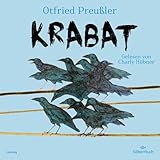
- Audible Audiobook
- Otfried Preußler (Author) - Charly Hübner (Narrator)
- German (Publication Language)
- 07/29/2024 (Publication Date) - Silberfisch (Publisher)
Action: Examine the Master’s intricate methods of control, focusing on how he manipulates the apprentices’ desires, fears, and ambitions.
What to Look For: The Master’s promises of power and knowledge versus the reality of servitude, spiritual erosion, and eventual demise. Note how he exploits Krabat’s loneliness and his innate desire for belonging and competence.
Mistake to Avoid: Viewing the Master as a simplistic fairy tale villain; his evil is more insidious and philosophical, rooted in a transactional, exploitative worldview that treats human lives as commodities.
4. Recognize the Role of Free Will and Resistance
Action: Track Krabat’s attempts to resist the Master’s control and assert his own will, particularly through his burgeoning relationships and internal fortitude.
What to Look For: The significance of his developing bond with Milda, the washerwoman’s daughter, and his interactions with other apprentices, especially Tonda, the eldest. These connections become crucial battlegrounds for his autonomy and represent the forces that can challenge the Master’s dominion.
Mistake to Avoid: Believing Krabat is merely a passive victim of circumstance; his strength lies in his internal resistance, his capacity for empathy, and his eventual defiance, which are active choices made under duress.
5. Understand the Climax and the Nature of Resolution
Action: Focus on the final confrontation and the specific conditions under which Krabat can achieve liberation from the Master’s power.
What to Look For: The nature of the “challenge” and the true meaning of freedom in this context. The resolution is not about a conventional defeat of evil but about reclaiming one’s soul and asserting individual agency against overwhelming forces.
Mistake to Avoid: Expecting a triumphant, unambiguous ending typical of lighter fairy tales; Preußler’s conclusions are often hard-won, carrying a lingering sense of the profound cost of the struggle and the enduring impact of trauma.
Common Myths About Krabat
- Myth: Krabat is a simple adventure story for children.
Why it Matters: This misconception can lead to disappointment for readers expecting a lighthearted tale. The novel delves into mature themes of manipulation, servitude, psychological torment, and the corrupting nature of power, which are not suitable for very young children.
Fix: Approach Krabat as a sophisticated dark fairy tale that uses magical elements to explore complex human experiences and moral dilemmas. It is better suited for older children, young adults, and adults who can process its somber and thought-provoking narrative.
- Myth: The magic at the mill is a neutral force that Krabat learns to master.
Why it Matters: This view overlooks the fundamental nature of the magic as depicted in the novel. The sorcery is inextricably linked to the Master’s control and is presented as a life-draining force that erodes the apprentices’ souls and vitality. It is a Faustian bargain, not a neutral skill.
Fix: Recognize that the magic in Krabat is a tool of exploitation. The “power” it offers comes at the steep price of one’s life force and spiritual integrity, making it an inherently corrupting influence.
- Myth: Krabat’s eventual freedom is a straightforward victory over the Master.
Why it Matters: This simplification diminishes the nuanced and arduous nature of Krabat’s liberation. His “victory” is not achieved through brute force or conventional heroism but through a complex, emotionally charged challenge that requires immense personal sacrifice and a deep understanding of the Master’s methods.
Fix: Understand that Krabat’s liberation is a profound act of reclaiming his own will and identity. The resolution emphasizes the internal struggle and the personal cost of freedom rather than a simple external defeat of an antagonist.
Decision Rules
- If the primary objective is to understand the thematic depth of Krabat by Otfried Preußler, prioritize analyses that explore its commentary on free will and power.
- If the goal is to assess its suitability for different age groups, consult reviews that specifically address its dark themes and psychological complexity.
- If comparative reading is desired, look for discussions that place Krabat alongside other European fairy tales or works exploring similar moral quandaries.
Quick Comparison
| Option | Best for | Pros | Watch out |
|---|---|---|---|
| Quick Answer | General use | Krabat by Otfried Preußler is a profound, dark fairy tale set in 17th-centu… | Trade-offs vary by budget and feature priorities |
| Who This Is For | General use | This novel is highly recommended for readers who value atmospheric storytelli… | Check fit and intended use before choosing |
| What to Check First | General use | Readers seeking lighthearted fantasy or straightforward heroic narratives may… | Trade-offs vary by budget and feature priorities |
| Step-by-Step Plan Understanding Krabat by Otfried Preußler | General use | Readers interested in European folklore and fairy tales that explore darker,… | Check fit and intended use before choosing |
FAQ
- Q: Is Krabat a historical novel or a fantasy novel?
A: It is best classified as a dark fairy tale deeply rooted in a historical setting. While it features significant magical elements, the novel is grounded in the harsh realities and societal conditions of 17th-century Saxony, particularly the aftermath of the Thirty Years’ War.
- Q: Who is the Master at the sorcerer’s mill?
A: The Master is a powerful and ancient sorcerer who operates a clandestine mill where he teaches dark magic to young men. He exploits them by demanding their life force and servitude in exchange for knowledge and power, acting as a corrupting force that preys on their desperation and ambition.
- Q: What is the central theme of Krabat?
A: The novel explores several profound themes, including the struggle for free will versus determinism, the corrupting nature of power and ambition, the search for identity and selfhood, and the enduring human spirit’s fight for spiritual and personal liberation against oppressive forces.
- Q: How does Krabat differ from typical fairy tales?
A: Unlike many traditional fairy tales that offer clear moral dichotomies and unambiguous happy endings, Krabat presents a more ambiguous and psychologically complex narrative. The “magic” is often a trap, the antagonist’s evil is insidious, and freedom is a hard-won achievement that carries significant emotional and spiritual weight.
Thematic Resonance and Literary Significance of Krabat by Otfried Preußler
Otfried Preußler’s Krabat stands as a powerful exploration of the enduring allure and inherent danger of forbidden knowledge and unchecked power. Set against the bleak, war-torn canvas of 17th-century Saxony, the novel masterfully grounds its fantastical elements in a tangible sense of historical suffering and human desperation. The sorcerer’s mill, a place of both apparent opportunity and insidious control, serves as a potent metaphor for any institution, ideology, or pursuit that demands the surrender of individuality for the promise of belonging, advancement, or perceived security.
The novel’s profound strength lies in its unflinching portrayal of moral compromise and the insidious nature of corruption. Krabat, an orphan driven by the primal need for survival, is drawn into a Faustian bargain, a situation that compels readers to question the true cost of security and power. The Master’s magic is deliberately not presented as whimsical or wondrous, but as a draining, life-sapping force that systematically consumes the apprentices’ vitality and individuality. This grounded, almost grim, approach to the supernatural, a hallmark of Preußler’