Michal Viewegh’s Wonderful Years Under a Dog
Báječná Léta Pod Psa by Michal Viewegh: A Contrarian’s Assessment
This review offers a critical perspective on Michal Viewegh’s Báječná Léta Pod Psa (Wonderful Years Under a Dog), examining its thematic resonance, narrative construction, and suitability for discerning readers. The novel is often lauded for its satire of Czech society, but a closer look reveals potential limitations that warrant careful consideration.
Who This Is For
- Readers seeking unvarnished social critique: This book is for those who appreciate literature that dissects societal flaws and human foibles with a sharp, unsentimental eye. If you are drawn to narratives that challenge conventional morality and expose hypocrisy, Báječná Léta Pod Psa offers substantial material.
- Those interested in post-communist Czech literature: For readers exploring the literary landscape of Central Europe after the fall of communism, Viewegh’s work provides a specific, albeit often bleak, snapshot of the era’s disillusionment and evolving social dynamics.
What To Check First
- Narrative Detachment: The protagonist’s voice is consistently detached, ironic, and often passive. Before committing, consider if you can engage with a narrator who offers little emotional warmth or overt moral guidance. This is a critical juncture for reader enjoyment.
- Pervasive Cynicism: The novel’s humor is deeply rooted in cynicism and a bleak outlook on human relationships and societal progress. If you prefer narratives with overt optimism or a more hopeful trajectory, this book may prove challenging.
- Thematic Focus: The core themes revolve around disillusionment, the compromises inherent in marriage and societal roles, and a general sense of absurdity. Assess whether these themes align with your current reading interests and tolerance for dark humor.
- Pacing and Structure: Viewegh employs a largely episodic structure, mirroring the narrator’s often aimless progression through life. Examine if this non-linear, character-driven approach suits your preferred reading pace.
Navigating the Nuances of Báječná Léta Pod Psa by Michal Viewegh
Michal Viewegh’s Báječná Léta Pod Psa presents a narrative tapestry woven with threads of dark humor, social satire, and a profound sense of disillusionment. The novel’s strength lies in its unflinching portrayal of post-communist Czech society and the often-unpleasant realities of domestic life. However, its success hinges on the reader’s willingness to embrace a relentlessly cynical protagonist and a worldview that offers few consolations.
The narrative voice, delivered through the first-person perspective of an unnamed narrator, is crucial. This voice is characterized by a peculiar blend of keen observation and profound emotional distance. The narrator recounts events, often absurd or tragic, with a dispassionate tone that can be interpreted as either a masterful form of dark humor or a significant barrier to reader empathy. For instance, when describing the breakdown of his marriage or the eccentricities of his family, the narrator offers sharp, witty observations but rarely conveys genuine emotional distress. This detachment is a deliberate stylistic choice, designed to reflect a broader societal malaise and the narrator’s own passive resignation.
For those interested in exploring the literary landscape of Central Europe after the fall of communism, Michal Viewegh’s Báječná Léta Pod Psa offers a specific, albeit often bleak, snapshot of the era’s disillusionment. You can find this insightful novel here.
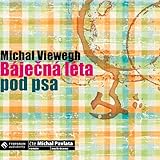
- Audible Audiobook
- Michal Viewegh (Author) - Michal Pavlata (Narrator)
- Czech (Publication Language)
- 09/18/2015 (Publication Date) - Tympanum s.r.o. (Publisher)
Thematic exploration in Báječná Léta Pod Psa is rich, though often uncomfortable. Viewegh dissects the compromises individuals make within relationships, particularly marriage, and the societal pressures that shape these unions. The title itself, “Wonderful Years Under a Dog,” hints at a cynical perspective on domestic bliss, suggesting that even seemingly good times are tinged with underlying dissatisfaction or absurdity. The novel critiques the superficiality of social interactions, the often-unacknowledged hypocrisies within families, and the existential ennui that can pervade everyday life. This is not a book that offers easy answers or uplifting resolutions; rather, it holds a mirror to the less palatable aspects of human nature and social structures.
A Contrarian’s Take on Reader Engagement
While many praise Viewegh’s wit, a contrarian perspective suggests that the very qualities that make the book distinctive can also be its greatest limitations for certain readers. The pervasive cynicism, while often humorous, can become exhausting. The narrator’s consistent lack of active engagement with his own life and the world around him might leave some readers feeling adrift, searching for a narrative anchor that never quite materializes.
Consider the character of the narrator’s wife. Her portrayal, filtered through the narrator’s lens, is often one of exasperated pragmatism or veiled dissatisfaction. While this serves the narrator’s cynical worldview, it limits the potential for a more nuanced exploration of her character or the complexities of their marital dynamic. The reader is left to infer her inner life from the narrator’s often biased accounts, a testament to Viewegh’s skill in maintaining his narrative persona, but potentially a frustration for those seeking multi-dimensional character studies.
Step-by-Step Plan: Evaluating Báječná Léta Pod Psa
To critically assess whether Báječná Léta Pod Psa is the right choice for your reading list, follow these steps:
1. Analyze the Narrative Voice: Read the first few chapters, focusing intently on the narrator’s tone and perspective.
- Action: Identify instances of irony, detachment, and passive observation.
- What to look for: Does the narrator inject humor through cynicism, or does his detachment feel like a lack of engagement?
- Mistake: Assuming the narrator’s voice reflects the author’s direct opinion, rather than a crafted literary persona.
2. Examine the Social Commentary: Pay attention to how Viewegh portrays social interactions, family dynamics, and societal expectations.
- Action: Note specific examples of hypocrisy, absurdity, or disillusionment depicted.
- What to look for: Is the satire sharp and insightful, or does it feel overly generalized and nihilistic?
- Mistake: Dismissing the social commentary as merely bleak without recognizing its satirical intent.
3. Assess Character Development: Evaluate the depth and complexity of the characters presented, particularly the narrator and his immediate family.
- Action: Consider whether characters feel like fully realized individuals or archetypes serving the narrator’s worldview.
- What to look for: Are there moments of unexpected vulnerability or complexity that break through the cynicism?
- Mistake: Expecting traditional character arcs in a narrative that prioritizes thematic exploration over individual growth.
4. Consider the Humor: Identify the sources and effectiveness of the novel’s humor.
- Action: Note passages that elicit laughter and analyze why they are humorous.
- What to look for: Is the humor derived from wordplay, situational irony, or the narrator’s bleak outlook? Does it resonate with your sense of humor?
- Mistake: Overlooking the humor because of the dark subject matter, or conversely, taking the humor at face value without appreciating its satirical edge.
5. Reflect on Thematic Resonance: Consider the central themes and how they are presented.
- Action: Identify the core messages about life, relationships, and society that emerge.
- What to look for: Does the exploration of disillusionment and compromise feel profound or repetitive?
- Mistake: Engaging with the plot without considering the underlying thematic concerns that drive the narrative.
6. Evaluate Reader Takeaway: After reading a substantial portion, reflect on the overall impression left by the book.
- Action: Summarize the lasting feelings or thoughts the novel evokes.
- What to look for: Does it provoke thought, offer a unique perspective, or leave you feeling unsettled or dissatisfied?
- Mistake: Forgetting to consider the long-term impact of the reading experience beyond immediate plot engagement.
Common Myths About Báječná Léta Pod Psa
- Myth 1: The narrator’s cynicism represents Michal Viewegh’s personal worldview.
- Why it matters: Mistaking the narrator’s voice for the author’s can lead to misinterpretations of the author’s intentions and a limited appreciation of the literary craft. Authors often employ unreliable or detached narrators to explore themes from a specific, often critical, vantage point.
- Fix: Understand that the narrator is a literary construct designed to serve the novel’s satirical and thematic goals. Viewegh uses this persona to critique society, not necessarily to express his own unadulterated opinions.
- Myth 2: The book is solely a humorous romp through Czech life.
- Why it matters: This misconception overlooks the significant undercurrent of melancholy and social critique. While humor is present, it’s often dark and serves to highlight the absurdities and disappointments of the characters’ lives.
- Fix: Recognize that the humor in Báječná Léta Pod Psa is a tool for satire, often exposing rather than alleviating the underlying problems. The book is as much about disillusionment as it is about laughter.
- Myth 3: The episodic structure means the book lacks a coherent message.
- Why it matters: Some readers may find the non-linear progression disorienting and conclude the narrative is aimless. However, the episodic nature often mirrors the narrator’s own passive experience of life, with a consistent thematic throughline connecting the events.
- Fix: Appreciate that the seemingly disparate episodes are unified by the narrator’s consistent perspective and the overarching themes of societal critique and existential ennui. The coherence lies in the thematic consistency, not necessarily in a tightly plotted linear arc.
Expert Tips for Reading Báječná Léta Pod Psa
BLOCKQUOTE_0
- Tip 1: Embrace the Detached Observer.
- Action: Actively lean into the narrator’s passive, ironic stance. Try to see the world through his eyes, even when his observations are bleak.
- **
Quick Comparison
| Option | Best for | Pros | Watch out |
|---|---|---|---|
| Báječná Léta Pod Psa by Michal Viewegh A Contrarians Assessment | General use | Readers seeking unvarnished social critique: This book is for those who appre… | Mistake: Assuming the narrator’s voice reflects the author’s direct opinion,… |
| Who This Is For | General use | Those interested in post-communist Czech literature: For readers exploring th… | Mistake: Dismissing the social commentary as merely bleak without recognizing… |
| What To Check First | General use | Narrative Detachment: The protagonist’s voice is consistently detached, ironi… | Mistake: Expecting traditional character arcs in a narrative that prioritizes… |
| Navigating the Nuances of Báječná Léta Pod Psa by Michal Viewegh | General use | Pervasive Cynicism: The novel’s humor is deeply rooted in cynicism and a blea… | Mistake: Overlooking the humor because of the dark subject matter, or convers… |
Decision Rules
- If reliability is your top priority for Báječná Léta Pod Psa by Michal Viewegh, choose the option with the strongest long-term track record and support.
- If value matters most, compare total ownership cost instead of headline price alone.
- If your use case is specific, prioritize fit-for-purpose features over generic ‘best overall’ claims.