Lynne Reid Banks’ The Indian In The Cupboard Explored
This article provides a detailed analysis of Lynne Reid Banks’ The Indian In The Cupboard, focusing on its literary merits, thematic depth, and suitability for specific readers. It offers a nuanced perspective, moving beyond surface-level plot summaries to explore the book’s enduring impact and potential limitations.
Quick Answer
- Core Concept: A young boy discovers a magical cupboard that can bring a plastic toy Native American figure to life, leading to a series of adventures and moral explorations.
- Primary Audience: Middle-grade readers aged 8-12 interested in fantasy, historical elements, and themes of friendship and responsibility.
- Key Takeaway: The book offers a compelling blend of fantasy and historical context, but its portrayal of cultural representation warrants careful consideration.
Who This Is For
- Readers seeking a classic middle-grade fantasy novel with a strong narrative hook and engaging characters.
- Parents and educators looking for books that can spark discussions about friendship, empathy, and the complexities of cultural understanding.
What To Check First
Before delving into The Indian In The Cupboard, consider these points:
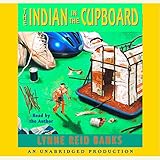
- Audible Audiobook
- Lynne Reid Banks (Author) - Lynne Reid Banks (Narrator)
- English (Publication Language)
- 12/29/2002 (Publication Date) - Listening Library (Publisher)
- Historical Context: The novel was published in 1980. While imaginative, its depiction of Native American culture reflects the understanding and biases of that era. This is crucial for contemporary readers and discussions.
- Fantasy Mechanism: The magic of the cupboard is presented as a simple, unexplained phenomenon. The focus is on the consequences of this magic rather than its intricate workings.
- Character Development: Omri, the protagonist, undergoes significant growth. His initial impulsiveness and later sense of responsibility are central to the narrative arc.
- Thematic Resonance: The book explores themes of power, responsibility, the nature of life, and cross-cultural interaction.
Step-by-Step Plan: Analyzing The Indian In The Cupboard by Lynne Reid Banks
This structured approach helps in understanding the nuances of the novel.
1. Read the Novel Holistically:
- Action: Read the entire book from beginning to end without interruption.
- What to look for: The overall plot progression, character arcs, and the unfolding of the magical premise. Pay attention to how Omri’s relationship with Little Bear evolves.
- Mistake: Focusing only on the magical elements and overlooking the developing character dynamics and thematic undercurrents.
2. Examine the Central Conflict:
- Action: Identify the primary challenges Omri and Little Bear face, both internal and external.
- What to look for: The moral dilemmas Omri encounters, such as the responsibility of bringing a living being into his world and the potential dangers involved.
- Mistake: Underestimating the ethical implications of Omri’s actions and viewing the story solely as a lighthearted adventure.
3. Assess Cultural Portrayals:
- Action: Critically evaluate the depiction of Little Bear and his Iroquois background.
- What to look for: The stereotypes or authentic representations present. Consider whether the portrayal is respectful or perpetuates simplistic views of Indigenous peoples.
- Mistake: Accepting the portrayal at face value without considering its historical context or potential for misinterpretation by modern readers.
4. Analyze Omri’s Growth:
- Action: Track Omri’s transformation from a somewhat self-centered boy to a responsible guardian.
- What to look for: Specific instances where Omri demonstrates increased empathy, foresight, and a deeper understanding of consequences.
- Mistake: Failing to recognize Omri’s character development, thereby missing a key element of the book’s narrative strength.
5. Evaluate the Magical System:
- Action: Consider the rules and limitations of the magical cupboard.
- What to look for: The consistency of the magic and how it serves the plot and character development without becoming overly complex or convenient.
- Mistake: Getting bogged down in the “how” of the magic and detracting from the human and ethical stories it enables.
6. Consider the Ending:
- Action: Reflect on the resolution of the story and its implications.
- What to look for: Whether the ending provides a satisfying conclusion to the characters’ journeys and thematic explorations, or if it leaves unresolved issues.
- Mistake: Assuming a simple happy ending without considering the lasting impact of the events on the characters.
The Indian In The Cupboard by Lynne Reid Banks: Strengths and Limitations
This section delves into the novel’s notable achievements and areas where it might fall short for contemporary readers.
Strengths:
- Compelling Premise: The core concept of bringing a toy to life is inherently engaging for young readers, sparking imagination and wonder. The immediate introduction of Little Bear and the subsequent adventures create a strong narrative drive.
- Exploration of Responsibility: The book excels at illustrating the weight of responsibility. Omri’s journey from a boy who wants a playmate to one who understands the profound implications of his actions is a significant strength. His struggle to protect Little Bear and make ethical choices serves as a valuable lesson.
- Historical Engagement: While not a historical novel, it introduces elements of Iroquois culture and history in a way that can pique a child’s interest. The contrast between Omri’s modern world and Little Bear’s past provides a unique educational opportunity.
Limitations:
- Cultural Representation: This is the most significant area for critical review. Published in 1980, the novel’s portrayal of Native Americans, particularly Little Bear, can be seen as stereotypical and simplistic through a modern lens. The dialogue and cultural details, while perhaps intended to be accurate for the time, may now appear as generalizations. This limitation requires careful contextualization for current readers.
- Pacing in Later Stages: While the initial premise is gripping, some readers might find the pacing in the latter half of the book to become somewhat repetitive as Omri navigates recurring crises. The focus can sometimes shift away from the core relationship between Omri and Little Bear towards external threats.
Common Myths Addressed
- Myth: The Indian In The Cupboard is purely a simple adventure story for children.
- Correction: While it features adventure, the novel delves into complex ethical questions surrounding power, consent, and the consequences of altering reality. Omri’s internal struggles and the moral quandaries he faces are central to its depth.
- Myth: The portrayal of Little Bear is historically accurate and unproblematic.
- Correction: The novel reflects the prevailing understanding of Native American cultures in the late 20th century, which often relied on broad generalizations and romanticized notions. Contemporary analysis highlights that the depiction, while perhaps well-intentioned by the author, contains elements that are now considered stereotypical and lack nuanced cultural authenticity.
Expert Tips for Engaging with The Indian In The Cupboard
- Tip: Facilitate a discussion about historical context and cultural sensitivity.
- Action: When reading with children, pause to discuss the time period in which the book was written and how perspectives on different cultures have evolved. Research Iroquois culture from reputable sources to offer a more complete picture.
- Common Mistake to Avoid: Presenting the book’s cultural depictions as definitive or entirely accurate without critical commentary, which can inadvertently reinforce outdated stereotypes.
- Tip: Focus on the ethical dilemmas presented to the characters.
- Action: Encourage readers to consider Omri’s decisions from multiple angles. Ask questions like, “Was it right for Omri to bring Little Bear to life?” and “What responsibilities did he have towards him?”
- Common Mistake to Avoid: Overlooking the moral complexities in favor of simply enjoying the magical plot, thereby missing opportunities for character and ethical development.
- Tip: Compare and contrast the magical realism with other works.
- Action: If appropriate, discuss how The Indian In The Cupboard uses magic to explore real-world themes, comparing it to other books that employ similar techniques, such as The Chronicles of Narnia or The Borrowers.
- Common Mistake to Avoid: Treating the magical element in isolation, rather than recognizing its function as a vehicle for thematic exploration and character growth.
Quick Comparison
| Option | Best for | Pros | Watch out |
|---|---|---|---|
| Quick Answer | General use | Core Concept: A young boy discovers a magical cupboard that can bring a plast… | Mistake: Focusing only on the magical elements and overlooking the developing… |
| Who This Is For | General use | Primary Audience: Middle-grade readers aged 8-12 interested in fantasy, histo… | Mistake: Underestimating the ethical implications of Omri’s actions and viewi… |
| What To Check First | General use | Key Takeaway: The book offers a compelling blend of fantasy and historical co… | Mistake: Accepting the portrayal at face value without considering its histor… |
| Step-by-Step Plan Analyzing The Indian In The Cupboard by Lynne Reid Banks | General use | Readers seeking a classic middle-grade fantasy novel with a strong narrative… | Mistake: Failing to recognize Omri’s character development, thereby missing a… |
Decision Rules
- If reliability is your top priority for The Indian In The Cupboard by Lynne Reid Banks, choose the option with the strongest long-term track record and support.
- If value matters most, compare total ownership cost instead of headline price alone.
- If your use case is specific, prioritize fit-for-purpose features over generic ‘best overall’ claims.
FAQ
- Q: Is The Indian In The Cupboard appropriate for younger children?
- A: It is generally considered appropriate for middle-grade readers aged 8-12. Younger children might benefit from reading it with an adult who can help explain the historical context and more complex themes.
- Q: How does the magic of the cupboard work?
- A: The book does not provide a scientific or detailed explanation for the cupboard’s magic. It functions as a narrative device, bringing plastic figures to life and allowing them to shrink to their toy size when placed back inside.
- Q: What are the main themes explored in the book?
- A: Key themes include friendship, responsibility, the ethics of power, empathy, and cross-cultural understanding, alongside the inherent wonder of fantasy.
- Q: Should I be concerned about the portrayal of Native Americans?
- A: Contemporary readers and educators often note that the portrayal of Little Bear reflects outdated stereotypes. It is advisable to read the book with an awareness of this historical context and to supplement it with more accurate and nuanced information about Indigenous cultures.
BLOCKQUOTE_0