L. P. Hartley’s The Go-Between: A Story of Summer
Quick Answer
- The Go-Between by L. P. Hartley is a literary novel that meticulously examines the corruption of innocence and the enduring weight of memory through the eyes of a young boy.
- Its primary strengths lie in its masterful psychological insight and evocative portrayal of a specific summer, though its deliberate pacing may deter readers seeking action.
- This book is recommended for those who appreciate nuanced character studies and narratives that explore the lasting impact of childhood experiences and adult secrets.
Who This Is For
- Readers who seek literary fiction that delves into the psychological consequences of adult actions on a child’s formative years.
- Those who appreciate novels that use atmosphere and setting to amplify thematic concerns, particularly regarding memory and societal pressures.
What to Check First
- Narrative Perspective: The story is told from the perspective of Leo Colston, a twelve-year-old boy. Consider if you are comfortable with a narrator whose understanding of adult motivations is incomplete, as this is crucial to the novel’s unfolding tragedy.
- Pacing and Tone: The novel is characterized by its deliberate, measured pace and a somber, reflective tone. If you prefer fast-moving plots, be prepared for a more introspective reading experience.
- Thematic Complexity: The book explores mature themes such as betrayal, manipulation, and the irreversible loss of innocence. Assess your readiness for emotionally resonant but potentially unsettling subject matter.
- Historical Setting: The narrative is set during a specific, sweltering summer in 1900 England. Understanding the social conventions and class dynamics of this era is essential for grasping the characters’ motivations and the story’s stakes.
For those seeking a profound literary exploration of innocence lost and the lasting impact of memory, L. P. Hartley’s ‘The Go-Between’ is an essential read.
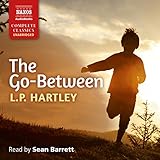
- Audible Audiobook
- L. P. Hartley (Author) - Sean Barrett (Narrator)
- English (Publication Language)
- 04/15/2016 (Publication Date) - Naxos AudioBooks (Publisher)
Step-by-Step Plan: Navigating The Go-Between by L. P. Hartley
1. Observe Leo’s Initial Impressions: Begin by noting Leo’s early experiences at Brandham Hall and his earnest attempts to understand the adult world.
- What to look for: Leo’s youthful idealism, his desire to be useful, and his often naive interpretations of the complex relationships around him.
- Mistake to avoid: Dismissing Leo’s observations as mere childishness; his limited grasp of adult complexities is precisely what makes him vulnerable and fuels the narrative’s tragedy.
2. Analyze the Social Hierarchy: Pay close attention to the interactions between the Brandham family, their guests, and the estate staff.
- What to look for: Subtle cues of class distinction, unspoken social rules, and underlying tensions that Leo may not fully comprehend but are central to the plot.
- Mistake to avoid: Focusing only on outward politeness; the novel’s power lies in its exploration of subtext and the hidden currents beneath the surface of social interactions.
3. Examine Leo’s “Go-Between” Role: Understand how Leo becomes an unwitting messenger between Marian Maudsley and her lover, Ted Burgess.
- What to look for: The increasing emotional and moral burden placed on Leo, his growing confusion, and the gradual erosion of his innocence as he navigates adult secrets.
- Mistake to avoid: Underestimating the psychological toll this role takes on Leo; it is a pivotal point of his lasting trauma and the novel’s central conflict.
4. Identify the Core Conflict: Recognize the forbidden nature of Marian and Ted’s affair and the high stakes involved for all parties.
- What to look for: The external pressures of social class, reputation, and familial expectations that clash with the characters’ personal desires.
- Mistake to avoid: Viewing the affair as a simple romantic entanglement; it is deeply intertwined with the destructive forces at play within the family and the societal constraints of the era.
5. Witness the Climax and Its Aftermath: Experience the pivotal events that shatter Leo’s innocence and the immediate, devastating consequences that follow.
- What to look for: The moment Leo’s perception of the world irrevocably changes and the profound, lasting impact on his emotional and psychological state.
- Mistake to avoid: Expecting a neat or conventionally happy resolution; the novel’s power lies in its unflinching portrayal of loss and the indelible mark of trauma.
6. Contemplate Adult Leo’s Retrospection: Consider the narrative voice of the adult Leo, reflecting on the events of his twelfth year.
- What to look for: How memory distorts and shapes perception, the enduring influence of formative experiences, and the adult Leo’s ongoing struggle with the past.
- Mistake to avoid: Assuming the adult Leo has fully processed or resolved his past trauma; the novel emphasizes its persistent, shaping influence.
The Go-Between by L. P. Hartley: A Masterclass in Psychological Nuance
L. P. Hartley’s The Go-Between by L. P. Hartley is a profound literary achievement that meticulously dissects the theme of lost innocence and the enduring consequences of secrets. The novel’s power stems from its precise portrayal of a specific, oppressive English summer, where the palpable heat mirrors the simmering tensions and hidden passions within the Brandham Hall estate. Leo Colston, the twelve-year-old protagonist and unwitting intermediary, serves as the ideal lens through which to examine these themes. His youthful idealism and earnest desire to please render him susceptible to manipulation, and his gradual, dawning comprehension of the adult world’s deceptions forms the tragic arc of the story.
Hartley’s prose is subtle yet potent, eschewing overt melodrama for insinuation and carefully chosen details. The narrative immerses the reader in Leo’s evolving consciousness, making his dawning awareness of betrayal and loss a shared, visceral experience. This deliberate construction amplifies the impact of the eventual climax, when Leo’s innocence is irrevocably shattered, leaving an indelible mark that shapes his adult life.
Why The Go-Between Matters Now
In an era often characterized by rapid information flow and superficial interactions, The Go-Between by L. P. Hartley offers a potent reminder of the enduring power of buried secrets and the long shadow cast by past trauma. The novel’s exploration of how memory shapes our present reality and how childhood experiences can become indelible markers on a life resonates deeply. It prompts contemplation on the ethical implications of manipulation, the fragility of innocence, and the ways in which societal pressures can dictate personal destinies. The novel provides a crucial counterpoint to narratives prioritizing immediate gratification, highlighting instead the profound, often hidden, costs of delayed reckoning and unspoken truths.
Common Mistakes
- Mistake: Underestimating the significance of Leo’s limited perspective.
- Why it matters: Leo’s naivete is central to the novel’s tragic trajectory; his misinterpretations and inability to grasp the full adult implications of his actions are key to the narrative’s power and the reader’s understanding of the unfolding events.
- Fix: Actively consider what Leo doesn’t understand at each stage, and how this gap in knowledge shapes his role and the consequences of his actions.
- Mistake: Viewing the central affair between Marian and Ted as simply a romantic entanglement.
- Why it matters: The relationship is a symptom of deeper societal constraints, class anxieties, and personal desperation, rather than solely a romantic pursuit. Its illicit nature is dictated by the era’s rigid social structures.
- Fix: Analyze the affair within the context of the restrictive social norms, class distinctions, and the pressure for reputation that define the characters’ lives.
- Mistake: Expecting a cathartic or conventionally happy ending.
- Why it matters: The novel’s lasting impact derives from its unflinching portrayal of irreversible loss and the enduring nature of trauma, rather than a simple resolution.
- Fix: Approach the conclusion with an understanding that the story focuses on consequence and the persistent weight of memory, rather than a neat tying up of loose ends.
- Mistake: Overlooking the symbolic weight of the oppressive summer heat.
- Why it matters: The heat is not merely a setting detail; it is a pervasive atmospheric element that mirrors the simmering passions, unspoken tensions, and eventual “heat” of the climactic events.
- Fix: Pay attention to how descriptions of the heat, light, and languor contribute to the mood and foreshadow the emotional intensity of the story.
Expert Tips
- Tip: Carefully track Leo’s internal monologue for shifts in his understanding.
- Actionable Step: Highlight or make notes whenever Leo expresses confusion, doubt, or a dawning realization about the adult world.
- Common Mistake to Avoid: Focusing solely on dialogue and external actions; Leo’s internal processing is where the narrative’s psychological depth resides and where the corruption of innocence is most keenly felt.
- Tip: Consider the symbolic significance of Leo’s role as a messenger.
- Actionable Step: Reflect on what it means to be a conduit for communication, especially one unaware of the true gravity or implications of the messages being conveyed.
- Common Mistake to Avoid: Seeing Leo’s role as merely plot-driving; it serves as a potent metaphor for the burden of knowledge, the manipulation of innocence, and the transmission of adult secrets.
- Tip: Analyze the subtle ways social class dictates character actions and motivations.
- Actionable Step: Note instances where class differences influence dialogue, opportunities, and the perceived consequences of actions for different characters.
- Common Mistake to Avoid: Assuming characters act solely based on personal desires, without acknowledging the pervasive influence of the rigid social stratification of the era.
Decision Rules
- Criterion: If the primary decision factor is the depth of psychological exploration and thematic resonance concerning memory and innocence, The Go-Between by L. P. Hartley is a highly recommended choice.
- If the priority is a fast-paced plot with immediate narrative resolution, this novel may require a recalibration of expectations due to its deliberate pacing and focus on internal states.
FAQ
- Q: Is The Go-Between a difficult book to read?
- A: While its pacing is deliberate and it delves into complex emotional territory, its precise prose and psychological depth make it a rewarding experience for readers of literary fiction who appreciate nuanced character studies.
- Q: What is the central theme of The Go-Between?
- A: The novel’s primary theme is the irreversible loss of innocence and the enduring impact of past trauma, explored through the lens of memory, betrayal, and the constraints of societal expectations.
- Q: Does the adult Leo find peace from his past experiences?
- A: The novel suggests that the trauma of that summer continues to shape the adult Leo, indicating that complete reconciliation with his past remains elusive and its imprint is indelible.
- Q: Who is the intended audience for this novel?
- A: It is best suited for readers of literary fiction who appreciate character-driven narratives, psychological depth, and explorations of memory and consequence within a specific historical and social context.
Strengths and Limitations
| Aspect | Strength | Limitation |
|---|---|---|
| <strong>Narrative Voice</strong> | Leo’s first-person perspective offers an intimate, poignant view of events, highlighting the stark gap between his perception and the complex reality of adult motivations. | Leo’s limited understanding means some adult motivations and complexities are revealed indirectly or through retrospective narration, requiring careful inference from the reader. |
| <strong>Atmosphere</strong> | The oppressive heat and detailed descriptions of the English summer create a palpable sense of place that effectively mirrors the internal emotional tension and simmering secrets. | The deliberate pacing and focus on atmosphere may feel slow for readers who prefer rapid plot development and constant external action. |
| <strong>Psychological Depth</strong> | Hartley expertly explores the subtle ways trauma imprints on a young mind, shaping future identity, perception, and relationships with an enduring, often subconscious, influence. | The novel’s somber tone and unflinching exploration of betrayal and manipulation can be emotionally challenging for some readers, demanding a willingness to engage with difficult themes. |
BLOCKQUOTE_0
This quote, often associated with the novel, encapsulates the core idea that our understanding of past events is filtered through the present, and that our younger selves operate within a distinct, often irretrievable, world governed by different rules and perceptions.