L. M. Montgomery’s Emily of New Moon
Emily of New Moon by L. M. Montgomery: Quick Answer
- Emily of New Moon is a character-driven novel by L. M. Montgomery, chronicling the life of an orphaned girl with artistic aspirations on Prince Edward Island.
- This book is best suited for readers who value lyrical prose, introspective character development, and themes of creativity and belonging.
- Readers seeking fast-paced plots or significant external conflict may find the novel’s deliberate pacing less engaging.
Who This Is For
- Readers who appreciate L. M. Montgomery’s signature descriptive style and focus on the inner lives of young protagonists, and who are looking for a narrative that explores artistic development.
- Individuals interested in stories about found family, the challenges of creative ambition, and the formative experiences of adolescence in a vividly depicted historical setting.
What to Check First
- Author’s Style: If you enjoy Montgomery’s rich, evocative prose and her detailed portrayal of nature and emotions, Emily of New Moon will likely resonate.
- Pacing Expectations: The novel’s strength lies in its gradual character exploration and thematic depth. Be prepared for a slower, more contemplative reading experience rather than a plot-heavy one.
- Protagonist’s Nature: Emily Starr is a more reserved and internally focused character than Anne Shirley, driven by her poetic sensibility and a strong sense of self.
- Setting’s Significance: Prince Edward Island and the farm of New Moon are integral to the narrative, influencing Emily’s mood and artistic inspiration. The setting is actively depicted.
Step-by-Step Plan for Engaging with Emily of New Moon
1. Begin with Emily’s Arrival: Read the initial chapters detailing Emily’s transition to New Moon Farm and her first impressions of her new guardians, Aunt Elizabeth and Aunt Laura.
- What to look for: Note the immediate establishment of Emily’s sensitivity, her keen observational skills, and the initial, often tense, dynamics with her guardians.
- Mistake: Underestimating Emily’s quiet observation as passivity; her introspection is foundational to her character and her artistic development.
2. Track Emily’s Artistic Journey: Pay close attention to instances where Emily engages with her poetry and writing.
- What to look for: Observe how her creative endeavors serve as both an emotional outlet and a source of conflict, particularly when they clash with her guardians’ expectations.
- Mistake: Dismissing her poetry as a mere hobby; it is central to her identity and the novel’s thematic core, representing her unique voice.
3. Analyze Evolving Relationships: Examine Emily’s interactions with her guardians, cousins, and friends, especially Ilse and Perry.
- What to look for: Identify the nuances of these bonds, the tensions arising from differing personalities, and how these relationships contribute to Emily’s personal growth and understanding of the world.
- Mistake: Viewing these relationships as static; they are dynamic and crucial to Emily’s maturation, offering both support and challenge.
4. Immerse in the Setting: Focus on the detailed descriptions of Prince Edward Island and the atmosphere of New Moon.
- What to look for: Recognize how the natural landscape, the changing seasons, and the specific locale influence Emily’s emotional state and inspire her poetic output.
- Mistake: Skimming descriptive passages; the setting is an active element that shapes the narrative and Emily’s internal world.
5. Observe Internal Conflicts: Track Emily’s struggles with her temper, her pride, and her desire for independence.
- What to look for: Note how she navigates these internal challenges and learns from her experiences, often through difficult lessons and reflections.
- Mistake: Expecting Emily to be consistently agreeable; her flaws are essential to her relatable development and her journey toward self-mastery.
6. Acknowledge External Influences: Note the impact of characters like Dean Priest and Mr. Carpenter on Emily’s perspective and artistic development.
- What to look for: Understand the guidance and mentorship offered and how Emily integrates or rejects their advice, shaping her understanding of art and life.
- Mistake: Isolating Emily’s journey; external influences and mentorship are vital to her maturation and artistic growth.
For those who appreciate L. M. Montgomery’s signature lyrical prose and introspective character development, the novel Emily of New Moon is a must-read.
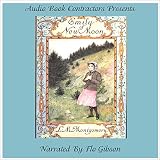
- Audible Audiobook
- L. M. Montgomery (Author) - Flo Gibson (Narrator)
- English (Publication Language)
- 04/21/2020 (Publication Date) - Audio Book Contractors, LLC (Publisher)
Common Myths About Emily of New Moon
- Myth: Emily of New Moon is simply a less engaging version of Anne of Green Gables.
- Why it matters: This comparison risks overlooking Emily’s unique character and the novel’s distinct thematic focus.
- Fix: While both are by Montgomery and feature spirited young protagonists, Emily is more introspective and artistically driven. Her narrative centers on the internal cultivation of her poetic voice, a more solitary and contemplative journey than Anne’s outwardly expressive one.
- Myth: The novel lacks significant plot progression due to its character focus.
- Why it matters: This perception can lead readers to overlook the underlying narrative arcs and the subtle unfolding of events.
- Fix: The pacing is deliberate, but the novel features substantial plot developments concerning Emily’s education, her relationships, her artistic ambitions, and the challenges of her guardianship. The plot unfolds organically through her emotional and intellectual growth.
- Myth: Emily’s temper and pride are solely negative character traits that hinder her.
- Why it matters: This view simplifies a complex character and her developmental arc, missing how these traits fuel her growth.
- Fix: Montgomery uses Emily’s temper and pride as catalysts for her growth. These traits, while challenging, also fuel her determination, self-worth, and artistic passion. Her journey involves learning to channel these qualities constructively.
Emily of New Moon by L. M. Montgomery: A Deeper Dive
Thematic Resonance and Literary Merit
Emily of New Moon by L. M. Montgomery explores profound themes of identity, artistic calling, and the complexities of found family. Emily Starr, distinct from the more boisterous Anne Shirley, is characterized by a deep introspection and a finely tuned artistic sensibility. Her journey is less about outward exuberance and more about the internal cultivation of her poetic voice, a pursuit often met with misunderstanding by her stern guardians, Aunt Elizabeth and Aunt Laura. The novel’s strength lies in its lyrical prose, which vividly renders the Prince Edward Island landscape, a setting that frequently mirrors Emily’s own emotional terrain.
The narrative’s power resides in its nuanced character development. Emily’s struggles with her temper and her pride are not presented as mere flaws but as integral components of her evolving identity, driving her toward self-understanding and a clearer vision of her place in the world. Montgomery meticulously traces her evolution from a sensitive orphan to a young woman navigating ambition, affection, and loss. The novel’s enduring significance lies in its portrayal of a young female artist finding her voice against societal and familial pressures, a theme that continues to hold considerable relevance for contemporary readers.
Reading Context and Audience Fit
For readers who cherish character-driven narratives and appreciate evocative prose, Emily of New Moon offers a deeply rewarding experience. Those who enjoyed the thematic richness and the exploration of a young protagonist’s inner life in Anne of Green Gables will discover a familiar yet distinct voice in Emily. The novel is particularly well-suited for those who value detailed descriptions of setting and the gradual unfolding of character arcs.
However, readers who prioritize plot-driven stories with rapid pacing or a strong emphasis on external conflict may find the novel’s deliberate tempo less engaging. The narrative’s focus is primarily on Emily’s internal world, her observations, and her emotional responses, which might not appeal to those accustomed to more action-oriented storytelling. This book requires a reader willing to invest in character study and thematic exploration.
Expert Tips for Reading Emily of New Moon
- Tip: Closely examine Emily’s poetry and her reflections on it.
- Actionable Step: When Emily writes or discusses her poems, pause to consider the imagery and emotions conveyed. Note how these poems reflect her current state of mind or her understanding of the world.
- Common Mistake to Avoid: Skimming or disregarding sections detailing Emily’s poetic endeavors, viewing them as mere interludes rather than central to her character and the novel’s thematic development.
- Tip: Observe the subtle shifts in Emily’s relationships, particularly with Aunt Elizabeth.
- Actionable Step: Look for moments of unspoken understanding or gradual softening in the interactions between Emily and her guardians. Note how their initial sternness evolves or is challenged by Emily’s presence.
- Common Mistake to Avoid: Perceiving these relationships as strictly adversarial or unchanging; Montgomery masterfully portrays the slow growth of connection and grudging affection.
- Tip: Consider the role of the New Moon setting in shaping Emily’s perspective.
- Actionable Step: Actively visualize the descriptions of the farm, the surrounding landscapes, and the weather. Consider how these elements influence Emily’s moods and inspire her creative output.
- Common Mistake to Avoid: Treating the setting as mere background decoration; the natural environment is a vital element that deeply impacts Emily’s internal life and artistic expression.
BLOCKQUOTE_0
Frequently Asked Questions
- Q: Is Emily of New Moon suitable for younger readers?
A: While mature younger readers (ages 10+) might appreciate it, the novel’s thematic depth and introspective nature are often more fully grasped by young adults and adults. The language is accessible, but the emotional nuances require a certain level of comprehension.
- Q: How does Emily Starr compare to Anne Shirley?
A: Emily is more introspective, artistically focused, and prone to quiet contemplation, whereas Anne is more outwardly expressive and dramatic. Both are strong-willed and imaginative, but their approaches to life
Quick Comparison
| Option | Best for | Pros | Watch out |
|---|---|---|---|
| Emily of New Moon by L M Montgomery Quick Answer | General use | Emily of New Moon is a character-driven novel by L. M. Montgomery, chroniclin… | Mistake: Underestimating Emily’s quiet observation as passivity; her introspe… |
| Who This Is For | General use | This book is best suited for readers who value lyrical prose, introspective c… | Mistake: Dismissing her poetry as a mere hobby; it is central to her identity… |
| What to Check First | General use | Readers seeking fast-paced plots or significant external conflict may find th… | Mistake: Viewing these relationships as static; they are dynamic and crucial… |
| Step-by-Step Plan for Engaging with Emily of New Moon | General use | Readers who appreciate L. M. Montgomery’s signature descriptive style and foc… | Mistake: Skimming descriptive passages; the setting is an active element that… |
Decision Rules
- If reliability is your top priority for Emily of New Moon by L. M. Montgomery, choose the option with the strongest long-term track record and support.
- If value matters most, compare total ownership cost instead of headline price alone.
- If your use case is specific, prioritize fit-for-purpose features over generic ‘best overall’ claims.