Kate Bornstein’s Groundbreaking Work, Gender Outlaw
Gender Outlaw by Kate Bornstein is a foundational text that challenges traditional understandings of gender. This review provides an overview of its key themes, strengths, limitations, and who would most benefit from reading it.
Quick Answer
- Gender Outlaw offers a groundbreaking, theoretical exploration of gender as a fluid, performative construct, dismantling binary assumptions.
- It is essential for readers interested in gender theory, deconstructing societal norms, and understanding non-binary perspectives.
- Readers seeking a prescriptive guide to gender transition may find its philosophical approach less direct than desired.
Who This Is For
- Individuals seeking to deepen their academic or personal understanding of gender beyond the male/female binary.
- Readers interested in the social construction of identity and the impact of societal performance on gender expression.
What to Check First
- Bornstein’s Central Thesis: Recognize that Bornstein posits gender not as an innate characteristic, but as a performance and a social “spectacle.”
- Theoretical vs. Practical: Understand that the book prioritizes philosophical inquiry and deconstruction over providing a step-by-step manual for personal transition.
- Publication Context: Note that Gender Outlaw was published in 1994. While its core ideas remain profoundly relevant, terminology and societal discourse surrounding gender have evolved.
- Reader’s Existing Framework: Assess your familiarity with gender theory. The book’s dense, intellectual style can be more accessible with some prior exposure to related concepts.
Step-by-Step Plan for Engaging with Gender Outlaw by Kate Bornstein
Approaching Gender Outlaw requires an analytical and open mindset. The following steps are designed to facilitate a thorough understanding and critical engagement with Bornstein’s work.
For those looking to dive deep into foundational gender theory, Kate Bornstein’s seminal work, Gender Outlaw, is an essential read. It offers a groundbreaking perspective on gender as a fluid construct.
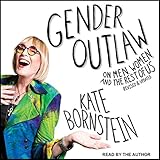
- Audible Audiobook
- Kate Bornstein (Author) - Kate Bornstein (Narrator)
- English (Publication Language)
- 08/07/2018 (Publication Date) - Tantor Media (Publisher)
1. Initial Reading for Core Argument: Read through the book once to grasp Bornstein’s primary thesis on gender as performance and spectacle.
- Action: Read without heavy annotation to get a general sense of the flow and main ideas.
- What to Look For: Identify recurring themes such as the performative nature of gender, the critique of the gender binary, and the societal policing of gender expression.
- Mistake to Avoid: Getting lost in the dense theoretical language or specific examples on the first pass, which can obscure the overarching message.
2. Focused Re-reading of Key Sections: Revisit chapters that introduced challenging concepts or resonated most deeply.
- Action: Concentrate on sections discussing the “gender binary” or the idea of gender as a “spectacle.”
- What to Look For: Specific arguments and examples Bornstein uses to illustrate how societal expectations create and enforce gender roles. For instance, her analysis of how individuals are pressured to conform to specific gender presentations.
- Mistake to Avoid: Skipping sections that appear abstract or overly philosophical; these often contain the foundational logic for Bornstein’s broader critiques.
3. Contextualize with Historical Background: Consider the socio-cultural landscape of the early 1990s when Gender Outlaw was written.
- Action: Research LGBTQ+ rights and gender discourse from that era.
- What to Look For: How Bornstein’s ideas were groundbreaking and potentially controversial for their time, and how they have influenced subsequent conversations.
- Mistake to Avoid: Assuming the book’s language or framing reflects current understandings without acknowledging its historical placement.
4. Personal Reflection and Application: Connect Bornstein’s theories to your own understanding of gender and societal interactions.
- Action: Keep a journal to note your reactions and insights as you read.
- What to Look For: Instances where Bornstein’s concepts illuminate your personal experiences or challenge your preconceived notions about gender.
- Mistake to Avoid: Dismissing ideas that feel uncomfortable or alien; discomfort often signals the challenge to deeply ingrained assumptions about gender.
5. Explore Critical Perspectives: Seek out analyses and discussions of Gender Outlaw from other readers and scholars.
- Action: Look for academic essays, interviews with Kate Bornstein, or critical reviews.
- What to Look For: Different interpretations of Bornstein’s arguments and the book’s lasting impact on gender studies.
- Mistake to Avoid: Relying solely on your initial interpretation without considering external viewpoints, which can limit the depth of your understanding.
6. Observe Gender in Practice: Apply Bornstein’s frameworks to your observations of everyday social dynamics and media.
- Action: Pay attention to gendered behaviors, media portrayals, and social expectations.
- What to Look For: Examples of gender performance, the enforcement of gender norms, and how individuals navigate these structures.
- Mistake to Avoid: Over-applying Bornstein’s concepts rigidly; recognize that real-world gender expression is complex and influenced by numerous factors.
Gender Outlaw by Kate Bornstein: Deconstructing the Binary
Kate Bornstein’s Gender Outlaw is a seminal work that fundamentally challenges the rigid binary of male and female. Published in 1994, it offers a provocative and deeply personal exploration of gender as a social construct and a performance, rather than an inherent biological fact. Bornstein, a performance artist and writer, uses a unique blend of autobiography, theoretical analysis, and philosophical inquiry to dismantle conventional notions of gender identity. The book argues that gender is a “spectacle” that society constantly performs and judges, and that individuals who deviate from these norms often face significant social pressures.
One of the book’s primary strengths is its unflinching honesty and direct address to the reader. Bornstein’s writing style is engaging, often confrontational, and aimed at forcing readers to question their own assumptions. The work is particularly effective in illustrating how societal expectations police gender expression, leading to the marginalization of those who don’t conform. For example, Bornstein’s discussion of “gender trespassers” vividly depicts the confusion and hostility faced by individuals who blur or defy gender lines, highlighting the power of normative gender structures. The book’s lasting impact stems from its ability to provoke critical thought and encourage a re-evaluation of deeply ingrained beliefs about gender.
BLOCKQUOTE_0
This quote encapsulates Bornstein’s core philosophy: gender is not a fixed destination but a journey, a continuous process of becoming that exists beyond prescribed roles. It emphasizes the potential for fluidity and self-creation inherent in human identity.
Common Myths About Gender Outlaw
- Myth: Gender Outlaw is a how-to guide for transitioning.
- Correction: While highly relevant to discussions of gender identity, Gender Outlaw is primarily a theoretical and philosophical exploration of gender as a concept and social construct, not a prescriptive manual for medical or social transition.
- Myth: The book’s ideas are outdated due to its 1994 publication date.
- Correction: While terminology and societal discourse have evolved, Bornstein’s core arguments about the social construction of gender, the limitations of the binary, and gender as performance remain profoundly relevant and foundational to contemporary gender studies.
Expert Tips for Engaging with Gender Outlaw
- Tip 1: Embrace the Provocation.
- Actionable Step: When encountering a concept that challenges your beliefs, actively try to understand Bornstein’s reasoning and the evidence she presents, even if it feels uncomfortable.
- Common Mistake to Avoid: Dismissing challenging ideas outright without deep consideration; the discomfort often signals the book’s effectiveness in questioning ingrained assumptions.
- Tip 2: Contextualize the Language.
- Actionable Step: Be mindful of the historical context of the book’s publication (1994) and how language and understanding around gender have evolved since then.
- Common Mistake to Avoid: Assuming the book reflects the most current terminology or discourse without acknowledging its historical placement, which can lead to misinterpretations.
- Tip 3: Connect Theory to Observation.
- Actionable Step: Apply Bornstein’s concepts of gender as performance and spectacle to your observations of daily life, media, and social interactions.
- Common Mistake to Avoid: Over-applying Bornstein’s framework rigidly; recognize that real-world gender expression is complex and influenced by numerous factors beyond the theoretical models presented.
Decision Criteria for Reading Gender Outlaw
When deciding if Gender Outlaw is the right book for you, consider the following:
- If your primary goal is to understand the theoretical underpinnings of gender beyond the binary: Gender Outlaw is an exceptional choice. Its strength lies in its philosophical deconstruction of gender roles and its exploration of gender as performance.
- If you are seeking a practical, step-by-step guide to gender transition: This book may not meet your needs directly. While informative, its focus is conceptual rather than prescriptive, making it less suitable for those looking for immediate practical guidance on transition processes.
Quick Comparison
| Option | Best for | Pros | Watch out |
|---|---|---|---|
| Quick Answer | General use | Gender Outlaw offers a groundbreaking, theoretical exploration of gender as… | Mistake to Avoid: Getting lost in the dense theoretical language or specific… |
| Who This Is For | General use | It is essential for readers interested in gender theory, deconstructing socie… | Mistake to Avoid: Skipping sections that appear abstract or overly philosophi… |
| What to Check First | General use | Readers seeking a prescriptive guide to gender transition may find its philos… | Mistake to Avoid: Assuming the book’s language or framing reflects current un… |
| Step-by-Step Plan for Engaging with Gender Outlaw by Kate Bornstein | General use | Individuals seeking to deepen their academic or personal understanding of gen… | Mistake to Avoid: Dismissing ideas that feel uncomfortable or alien; discomfo… |
Decision Rules
- If reliability is your top priority for Gender Outlaw by Kate Bornstein, choose the option with the strongest long-term track record and support.
- If value matters most, compare total ownership cost instead of headline price alone.
- If your use case is specific, prioritize fit-for-purpose features over generic ‘best overall’ claims.
FAQ
Q: Is Gender Outlaw a book about transitioning genders?
A: While Gender Outlaw is highly relevant to discussions of gender identity and can inform personal journeys, it is primarily a theoretical and philosophical exploration of gender itself, rather than a step-by-step guide to medical or social transition.
Q: Who is the intended audience for Gender Outlaw?
A: The intended audience includes anyone interested in understanding gender beyond the binary, from academics and activists to individuals questioning their own gender identity or seeking to better understand others.
Q: How does Gender Outlaw differ from other books on gender theory?
A: