Julia Belluz’s ‘Food Intelligence’ Examined
Food Intelligence by Julia Belluz: Quick Answer
- “Food Intelligence” by Julia Belluz critically examines nutrition science, aiming to equip readers with the tools to discern credible information from misinformation.
- The book advocates for a science-based approach to diet, challenging prevailing fads and marketing hype with an emphasis on understanding the research process.
- Belluz’s work serves as a guide for developing a more informed and critical perspective on dietary advice.
Food Intelligence by Julia Belluz: Who This Is For
- Individuals who feel overwhelmed by conflicting nutritional advice and seek a grounded, evidence-based framework for making dietary decisions.
- Readers interested in the scientific methodology behind nutrition research, including its strengths, limitations, and common pitfalls.
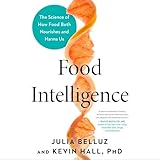
- Audible Audiobook
- Julia Belluz (Author) - Barrie Kreinik (Narrator)
- English (Publication Language)
- 09/23/2025 (Publication Date) - Penguin Audio (Publisher)
What to Check First
- Author’s Expertise: Julia Belluz is a science journalist with a background in public health, bringing a critical and investigative lens to nutrition science.
- Book’s Core Premise: The central argument is that understanding how we know what we know about food is as crucial as the dietary advice itself.
- Approach to Scientific Claims: Assess whether the book prioritizes peer-reviewed research and scientific consensus over anecdotal evidence or industry-backed trends.
- Target Audience Fit: Consider if the book’s detailed exploration of scientific literacy aligns with your desire to move beyond superficial dietary recommendations.
Step-by-Step Plan: Developing Your Food Intelligence
1. Understand the Evolving Nature of Nutrition Science: Recognize that dietary knowledge is not static but a dynamic field of ongoing research.
- What to look for: Belluz illustrates how scientific understanding progresses through hypothesis, testing, and refinement.
- Mistake to avoid: Treating a single study or a popular diet trend as the absolute, unchanging truth about nutrition.
2. Identify Credible Sources of Information: Learn to differentiate between robust scientific reporting and sensationalized or biased claims.
- What to look for: Prioritize information from established scientific journals, reputable public health organizations, and qualified researchers.
- Mistake to avoid: Relying primarily on social media influencers, celebrity endorsements, or marketing materials that promote specific products or diets.
3. Deconstruct Nutritional Claims with a Critical Eye: Develop the ability to evaluate the evidence presented for any dietary recommendation.
- What to look for: Belluz encourages examining study methodologies, potential conflicts of interest, and the overall strength of evidence.
- Mistake to avoid: Accepting claims at face value without considering the study’s design, sample size, or duration.
4. Recognize the Nuance in Individual Dietary Needs: Understand that optimal nutrition is often context-dependent and varies from person to person.
- What to look for: Belluz discusses how factors like genetics, lifestyle, and health status influence nutritional requirements.
- Mistake to avoid: Adopting a “one-size-fits-all” dietary approach that claims to benefit everyone universally.
5. Embrace Scientific Uncertainty: Accept that complete certainty in nutrition is rare, and scientific consensus can shift with new evidence.
- What to look for: Belluz explains that scientific understanding evolves, and what is considered best practice can change.
- Mistake to avoid: Dismissing ongoing research or updated recommendations simply because they differ from previous beliefs.
6. Apply Critical Thinking to Personal Dietary Choices: Use your developed food intelligence to make informed decisions aligned with evidence.
- What to look for: Belluz advocates for making choices based on strong, consistent evidence rather than fleeting trends.
- Mistake to avoid: Making drastic dietary changes based on incomplete or biased information without consulting healthcare professionals.
Common Myths About Nutrition Science
- Myth 1: A single, groundbreaking study can revolutionize our understanding of nutrition overnight.
- Why it matters: This myth leads to overemphasis on preliminary findings, creating hype around potentially flawed or unrepeatable results.
- Fix: Understand that scientific progress in nutrition is typically incremental, built upon a body of evidence from multiple studies, ideally synthesized in meta-analyses or systematic reviews.
- Myth 2: All dietary advice found online is equally valid if it sounds authoritative.
- Why it matters: The internet is rife with misinformation, often disguised as expert advice, which can lead to harmful dietary choices.
- Fix: Critically evaluate the source of online information. Look for credentials, affiliations with reputable institutions, and evidence of peer review. Compare claims against established guidelines from health organizations.
- Myth 3: Nutrition is a simple, settled science with definitive, universally applicable rules.
- Why it matters: This perception can lead to frustration when recommendations change or when individual responses to diets vary, causing people to distrust the scientific process.
- Fix: Acknowledge that nutrition is a complex, multifactorial science. Embrace the ongoing nature of research and understand that personalized approaches are often necessary.
Expert Tips for Navigating Food Information
- Tip 1: Scrutinize the Source’s Funding and Affiliations.
- Actionable Step: Before accepting a dietary recommendation, investigate who funded the research or who is promoting the advice. Look for potential conflicts of interest.
- Common Mistake to Avoid: Uncritically accepting information from sources that may have a financial stake in promoting specific foods, supplements, or diets.
- Tip 2: Seek Consensus Among Experts and Organizations.
- Actionable Step: Consult reports and guidelines from major health organizations (e.g., the World Health Organization, national dietary guidelines) to gauge the scientific consensus on a topic.
- Common Mistake to Avoid: Basing dietary decisions on fringe theories or isolated studies that contradict the overwhelming scientific agreement.
- Tip 3: Understand the Hierarchy of Evidence.
- Actionable Step: Prioritize information from systematic reviews and meta-analyses, which synthesize multiple studies, over single observational studies or anecdotal reports.
- Common Mistake to Avoid: Giving equal weight to weak forms of evidence (like case studies or personal testimonials) as to stronger forms of evidence (like randomized controlled trials).
BLOCKQUOTE_0
Decision Rules
- If establishing foundational knowledge about nutrition science is your primary goal, “Food Intelligence by Julia Belluz” offers a robust starting point.
- If you are seeking specific dietary plans, this book provides the framework for evaluating them rather than prescribing them.
- If your interest lies in understanding the scientific process behind health claims, this book excels at demystifying it.
FAQ
- Q: How can I distinguish between a fad diet and a scientifically supported eating pattern?
- A: Scientifically supported patterns are typically based on extensive research, endorsed by major health organizations, and focus on balance and sustainability. Fad diets often promise rapid results, rely on limited evidence, and may involve restrictive or unusual food choices.
- Q: What is the most common pitfall individuals face when trying to understand nutrition science?
- A: A common pitfall is oversimplifying complex science or giving undue weight to single studies or anecdotal evidence, leading to confusion and the adoption of ineffective or even harmful dietary practices.
- Q: Does “Food Intelligence by Julia Belluz” offer specific food recommendations?
- A: The book’s primary focus is on developing critical thinking skills to evaluate nutrition information. While it discusses general principles of evidence-based eating, it does not provide a prescriptive meal plan.
- Q: Where can I find reliable resources to verify nutrition claims after reading this book?
- A: Reliable sources include official publications from organizations like the U.S. Department of Agriculture (USDA), the National Institutes of Health (NIH), the World Health Organization (WHO), and peer-reviewed scientific journals. Consulting a registered dietitian is also recommended for personalized advice.
| Key Concept | Description | Practical Application in Food Intelligence |
|---|---|---|
| Peer Review | The process by which scientific manuscripts are critically assessed by independent experts before publication. | Belluz emphasizes this as a crucial filter for scientific credibility, helping readers identify rigorously vetted research. |
| Replication | The ability for independent researchers to reproduce the findings of a study. | A cornerstone of scientific validity; findings that cannot be replicated are generally considered less reliable, a point Belluz highlights. |
| Conflict of Interest | Financial or personal relationships that could bias research or reporting. | Belluz guides readers to identify potential biases by examining funding sources and author affiliations, crucial for objective evaluation. |
| Study Design | The methodology used in research, including controls, sample size, and duration. | Understanding study design (e.g., randomized controlled trials vs. observational studies) allows for a more accurate assessment of evidence strength. |
| Scientific Consensus | The collective judgment, position, and opinion of the community of scientists in a particular field of study. | Belluz advocates for aligning personal dietary choices with broad scientific consensus rather than isolated or controversial findings. |