Joy Kogawa’s Obasan: A Story Of Japanese Canadian Internment
This review examines Joy Kogawa’s novel Obasan, focusing on its portrayal of Japanese Canadian internment. It aims to provide a nuanced understanding of the book’s thematic depth, narrative structure, and suitability for readers interested in historical fiction and the examination of trauma.
Who This Is For
- Readers seeking a deeply personal and literary exploration of the Japanese Canadian internment experience.
- Those interested in how trauma and memory are processed through narrative, particularly within a family context.
What To Check First
- Historical Context: Familiarity with the internment of Japanese Canadians during World War II will enhance understanding, though the novel provides sufficient context.
- Narrative Style: The book employs a fragmented, lyrical, and often indirect style, which may not appeal to readers preferring straightforward chronological plots.
- Emotional Intensity: The subject matter is emotionally demanding, dealing with profound loss, displacement, and silenced suffering.
Obasan by Joy Kogawa: A Step-by-Step Examination
This section outlines key elements to consider when engaging with Obasan, providing a structured approach to appreciating its complex themes and narrative.
1. Engage with the Narrator’s Voice: Observe how the unnamed narrator, Naomi, recounts her childhood memories and the events surrounding her family’s displacement.
- What to look for: The subtle shifts in tone, the use of childlike observation to convey adult pain, and the recurring motifs of silence and secrecy.
- Mistake to avoid: Assuming the narrator’s perspective is purely objective; her voice is deeply subjective and shaped by trauma.
2. Analyze the Symbolism of Silence: Pay close attention to the pervasive theme of silence, both imposed and self-imposed, within the narrative.
- What to look for: How silence functions as a defense mechanism, a consequence of societal prejudice, and a barrier to healing. The “silence of the sand” is a potent example.
- Mistake to avoid: Dismissing silence as mere absence of sound; it is an active and significant element of the characters’ experiences.
3. Deconstruct the Non-Linear Structure: Recognize that the novel does not follow a conventional chronological order.
- What to look for: The way memories are triggered and presented, creating a mosaic of past and present that reflects the fractured nature of trauma.
- Mistake to avoid: Becoming frustrated by the apparent lack of a clear plot progression; the structure is integral to conveying the psychological impact of internment.
4. Understand the Role of Obasan and Aunt Emily: Examine the contrasting approaches of Obasan and Aunt Emily in dealing with the past.
- What to look for: Obasan’s quiet endurance versus Aunt Emily’s vocal activism and documentation. Their interactions reveal different strategies for survival and remembrance.
- Mistake to avoid: Viewing either character as representing a single, simplistic response to trauma; their roles are multifaceted.
5. Connect to the Historical Reality of Internment: Consider how the fictionalized account reflects the documented historical injustices faced by Japanese Canadians.
- What to look for: The descriptions of displacement, internment camps, loss of property, and the pervasive racism that fueled these actions.
- Mistake to avoid: Treating the novel solely as fiction, detached from its grounding in historical fact; the literary artistry serves to illuminate historical truth.
6. Appreciate the Power of Witnessing: Recognize the importance of Naomi’s eventual act of bearing witness to her family’s history.
- What to look for: The moments where Naomi begins to articulate the unspeakable, breaking the cycle of silence.
- Mistake to avoid: Expecting a neat or complete resolution; healing from historical trauma is an ongoing process.
Obasan by Joy Kogawa: Addressing Common Myths
This section debunks prevalent misunderstandings about the novel and its themes, offering a more informed perspective.
- Myth: Obasan is solely a story about victimhood.
- Why it matters: This view overlooks the resilience, agency, and complex inner lives of the characters.
- Correction: While the novel unflinchingly portrays the suffering caused by internment, it also highlights the strength, endurance, and quiet acts of resistance by the Issei and Nisei generations. The characters, particularly Obasan and Aunt Emily, embody different forms of survival and resistance.
- Myth: The novel offers a simple, cathartic release for historical trauma.
- Why it matters: This expectation can lead to disappointment and a misreading of the book’s nuanced portrayal of healing.
- Correction: Obasan presents trauma as a complex, lingering force. Healing is depicted as a gradual, often painful process of acknowledging and integrating memories, rather than a sudden or complete erasure of pain. The ending emphasizes continued bearing witness rather than a definitive closure.
To truly appreciate the depth of this novel, consider starting with a copy of Obasan by Joy Kogawa itself.
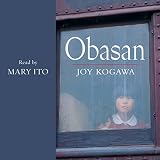
- Audible Audiobook
- Joy Kogawa (Author) - Mary Ito (Narrator)
- English (Publication Language)
- 01/29/2019 (Publication Date) - Penguin Canada (Publisher)
Expert Tips for Reading Obasan
These practical insights can deepen your engagement with Joy Kogawa’s powerful novel.
- Tip: Approach the narrative with patience.
- Actionable Step: Read in shorter, focused sessions, allowing time to absorb the lyrical prose and thematic resonance between readings.
- Common Mistake to Avoid: Rushing through the text, which can lead to overlooking the subtle emotional cues and symbolic layers.
- Tip: Keep a journal or notes.
- Actionable Step: Jot down recurring images, phrases, or emotional responses as you read. This can help track thematic development and personal connections.
- Common Mistake to Avoid: Relying solely on memory for complex thematic recall, especially given the novel’s fragmented structure.
- Tip: Seek out supplementary historical information.
- Actionable Step: After reading, explore resources on the internment of Japanese Canadians from reputable sources like the National Museum of History or academic journals.
- Common Mistake to Avoid: Viewing the novel in isolation, without appreciating its deep roots in historical reality, which can limit its impact.
BLOCKQUOTE_0
Quick Comparison
| Option | Best for | Pros | Watch out |
|---|---|---|---|
| Who This Is For | General use | Readers seeking a deeply personal and literary exploration of the Japanese Ca… | Mistake to avoid: Assuming the narrator’s perspective is purely objective; he… |
| What To Check First | General use | Those interested in how trauma and memory are processed through narrative, pa… | Mistake to avoid: Dismissing silence as mere absence of sound; it is an activ… |
| Obasan by Joy Kogawa A Step-by-Step Examination | General use | Historical Context: Familiarity with the internment of Japanese Canadians dur… | Mistake to avoid: Becoming frustrated by the apparent lack of a clear plot pr… |
| Obasan by Joy Kogawa Addressing Common Myths | General use | Narrative Style: The book employs a fragmented, lyrical, and often indirect s… | Mistake to avoid: Viewing either character as representing a single, simplist… |
Decision Rules
- If reliability is your top priority for Obasan by Joy Kogawa, choose the option with the strongest long-term track record and support.
- If value matters most, compare total ownership cost instead of headline price alone.
- If your use case is specific, prioritize fit-for-purpose features over generic ‘best overall’ claims.
FAQ
Q: Is Obasan a difficult book to read?
A: Obasan is often described as emotionally challenging due to its subject matter and its lyrical, indirect narrative style. It requires a reader willing to engage with nuance and subtext rather than a straightforward plot.
Q: What is the primary message of Obasan?
A: The novel’s primary message centers on the enduring impact of historical trauma, the importance of bearing witness to silenced narratives, and the complex process of memory and healing within families and communities.
Q: How does Obasan differ from other historical fiction about World War II?
A: Unlike many war narratives that focus on combat or overt political struggles, Obasan delves into the psychological and emotional aftermath of injustice experienced by a civilian population. Its strength lies in its poetic language and its focus on the internal lives of those affected by displacement and discrimination.
Q: What is the significance of the title Obasan?
A: “Obasan” is the Japanese word for aunt. The title highlights the central role of the paternal aunt, who represents a quiet, enduring form of strength and a connection to the past, even in the face of profound loss and silence.
Q: Does the book offer a hopeful ending?
A: The ending of Obasan is not one of simple resolution but rather one of quiet endurance and the ongoing necessity of remembrance. It suggests that while healing is possible, the scars of trauma remain, and the act of remembering and speaking the truth is a continuous process.
Literary Merit and Reader Takeaways
Obasan by Joy Kogawa stands as a significant literary achievement for its profound and artful exploration of the Japanese Canadian internment. The novel’s strength lies not in a propulsive plot, but in its evocative prose and its deep dive into the psychological landscape of trauma. Kogawa masterfully employs a fragmented narrative, mirroring the fractured memories and silenced histories of her characters. The unnamed narrator’s voice, often childlike in its observation but imbued with adult sorrow, creates a unique and powerful lens through which to view the devastating impact of internment.
The thematic richness is undeniable, with silence emerging as a central, multi-layered symbol—a shield, a consequence of oppression, and a barrier to reconciliation. The contrast between Obasan’s stoic resilience and Aunt Emily’s determined activism offers a nuanced portrayal of coping mechanisms. For readers, the takeaway is a deeper understanding of how historical injustices reverberate through generations, and the vital importance of acknowledging and giving voice to silenced experiences.
However, the novel’s deliberate pacing and indirect storytelling can be a barrier for some readers. Those accustomed to more conventional narrative structures might find the book challenging to navigate. Its power is not in grand pronouncements, but in quiet revelations and lingering emotional resonance. Ultimately, Obasan is a vital work for anyone seeking to understand the human cost of prejudice and the enduring power of memory and narrative to bear witness. It matters because it ensures that a significant, often overlooked, chapter of Canadian history is not forgotten, and that the voices of those who suffered are finally heard.