John Williams’ Augustus: A Novel of Ancient Rome
This review provides a detailed analysis of John Williams’ novel Augustus, focusing on its literary merits, historical context, and suitability for specific readers. It aims to offer a nuanced perspective beyond typical promotional material, highlighting both strengths and potential limitations for an informed reading decision.
Who This Is For
- Readers seeking a character-driven exploration of power and its corrupting influence. The novel delves deeply into the psychological landscape of its central figure.
- Those interested in the transition from Roman Republic to Empire, presented through a literary lens. It offers a fictionalized, yet insightful, perspective on this pivotal historical period.
What to Check First
- Author’s Previous Work: John Williams is known for Stoner, a critically acclaimed novel with a very different thematic focus. Understanding his established style can set expectations.
- Historical Fiction Nuances: This is not a direct historical account but a novel set in a historical period. Expect dramatic license and character interpretation.
- Pacing and Narrative Style: Williams’ prose is deliberate and introspective. Readers preferring fast-paced action may find it slow.
- Focus on Internal Conflict: The novel prioritizes the internal struggles and moral compromises of its characters over external events.
Step-by-Step Plan for Engaging with Augustus by John Williams
1. Begin with the Epigraphs and Prologue: Action: Read these introductory sections carefully. What to look for: The epigraphs and prologue often set the thematic tone and introduce key motifs. Mistake: Skipping them can lead to missing crucial early context.
2. Engage with the Letter Format: Action: Pay attention to the epistolary structure, noting the author of each letter and their implied perspective. What to look for: The fragmented nature of communication reveals character and advances the plot indirectly. Mistake: Treating all sections as a unified narrative voice, ignoring the individual perspectives of the letters.
3. Track Augustus’s Psychological Evolution: Action: Observe Augustus’s internal monologues and reflections as he consolidates power. What to look for: Evidence of his growing isolation, moral compromises, and the burden of leadership. Mistake: Focusing solely on the external political machinations without considering the internal cost to Augustus.
4. Analyze Supporting Characters’ Roles: Action: Examine how characters like Livia, Agrippa, and Octavia interact with and influence Augustus. What to look for: Their motivations, loyalties, and how they serve as foils or confidantes. Mistake: Underestimating the impact of secondary characters on Augustus’s decisions and mental state.
5. Identify Themes of Power and Legacy: Action: Note recurring discussions and internal debates about what it means to rule and to be remembered. What to look for: The tension between maintaining order and personal integrity, and the ultimate weight of historical judgment. Mistake: Viewing the novel as merely a biographical retelling, rather than an exploration of universal themes through a historical figure.
6. Consider the Novel’s Ambiguity: Action: Reflect on the unanswered questions and the lack of definitive moral pronouncements. What to look for: The author’s deliberate choice to present complexity without easy answers. Mistake: Seeking a clear hero or villain, or expecting a straightforward moral lesson.
For those looking to delve into the complexities of ancient Rome through a literary lens, John Williams’ novel Augustus is a compelling choice. This acclaimed work offers a profound character study of the first Roman Emperor.
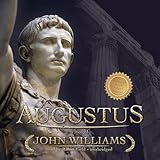
- Audible Audiobook
- John Williams (Author) - Robin Field (Narrator)
- English (Publication Language)
- 02/03/2011 (Publication Date) - Blackstone Audio, Inc. (Publisher)
Common Myths about Augustus by John Williams
- Myth: This novel is a straightforward historical biography of the first Roman Emperor.
- Why it matters: Misunderstanding the genre can lead to disappointment if the reader expects factual accuracy above all else.
- Fix: Approach Augustus by John Williams as a literary interpretation and character study, not a textbook. Recognize that historical events are filtered through fictionalized consciousness and narrative choices.
- Myth: The novel offers a definitive judgment on Augustus’s character and reign.
- Why it matters: Williams deliberately crafts a nuanced portrait, avoiding simple condemnation or praise. Expecting a clear verdict can lead to misinterpreting the author’s intent.
- Fix: Focus on the exploration of complex motivations and the psychological toll of power. The novel is more interested in the process of becoming Augustus than in providing a final scorecard.
- Myth: The epistolary format makes the novel difficult to follow.
- Why it matters: Some readers may find the shift in voices and perspectives disorienting if they expect a linear narrative.
- Fix: Embrace the fragmented structure as a key element of the storytelling. It mirrors the scattered nature of historical records and the internal fragmentation of the characters.
Augustus by John Williams: A Deeper Dive
This section offers a more detailed examination of the novel’s structure and thematic concerns, particularly relevant for readers considering Augustus by John Williams for its literary depth.
The novel’s structure, primarily composed of letters and diary entries from various characters, is a deliberate choice that shapes the reader’s perception of events and individuals. This epistolary approach, while potentially challenging for those accustomed to traditional narrative arcs, serves to highlight the subjective nature of history and the limitations of individual perspectives. We see Augustus not as a monolithic figure, but as he is perceived and interacted with by those closest to him, and by himself in his private reflections.
BLOCKQUOTE_0
This quote, representative of the novel’s introspective tone, underscores the central conflict within Augustus: the struggle to reconcile personal identity with the demands of imperial authority. Williams masterfully uses internal monologue to explore the psychological cost of power, demonstrating how the pursuit and maintenance of leadership can erode one’s moral compass and sense of self.
Expert Tips for Reading Augustus
- Tip: Pay close attention to the subtle shifts in tone and language across different letter writers.
- Actionable Step: When reading a letter, jot down a brief note about the presumed emotional state or bias of the author.
- Common Mistake to Avoid: Assuming all characters share a similar worldview or objective truth; their perspectives are inherently subjective.
- Tip: Do not rush through the introspective passages; they are the core of the novel’s thematic exploration.
- Actionable Step: When Augustus or another character reflects at length, pause and consider the implications of their thoughts on the larger narrative.
- Common Mistake to Avoid: Skimming dense passages of internal thought, thereby missing the nuanced psychological development and thematic depth.
- Tip: Understand that the novel is a meditation on power, not a simple historical retelling.
- Actionable Step: Actively look for moments where the characters grapple with the moral compromises inherent in leadership.
- Common Mistake to Avoid: Critiquing the book solely on its historical accuracy, rather than its literary exploration of character and theme.
Decision Rules
- If reliability is your top priority for Augustus by John Williams, choose the option with the strongest long-term track record and support.
- If value matters most, compare total ownership cost instead of headline price alone.
- If your use case is specific, prioritize fit-for-purpose features over generic ‘best overall’ claims.
FAQ
- Q: Is Augustus by John Williams suitable for someone with no prior knowledge of Roman history?
- A: Yes, while prior knowledge can enrich the experience, the novel provides sufficient context through its narrative and character interactions. The focus is on the human element of power, making it accessible.
- Q: How does Augustus compare to other historical novels about ancient Rome?
- A: Unlike novels that emphasize grand battles or political intrigue, Augustus prioritizes the internal psychological landscape of its protagonist and the philosophical implications of his rise to power. Its strength lies in its introspective depth rather than its epic scope.
- Q: What is the primary takeaway from reading Augustus?
- A: The novel offers a profound examination of the corrupting nature of absolute power, the sacrifices required to maintain it, and the enduring solitude of leadership. It prompts reflection on legacy and the personal cost of ambition.
- Q: Should I read Stoner by John Williams before Augustus?
- A: It is not strictly necessary, as the novels are distinct in subject matter and scope. However, reading Stoner first can provide a baseline understanding of Williams’s characteristic prose style and his talent for exploring quiet desperation and internal life.
| Aspect | Strength | Limitation | Recommendation |
|---|---|---|---|
| Narrative Style | Profound psychological depth, lyrical prose. | Deliberate pacing may deter some readers. | Best for readers who appreciate character introspection over plot momentum. |
| Character Portrayal | Nuanced, complex depiction of Augustus. | Supporting characters can feel less developed. | Focus on Augustus’s internal journey; recognize others serve his arc. |
| Historical Context | Evocative atmosphere of the era. | Not a factual historical account; artistic license. | Appreciate it as a literary interpretation, not a historical document. |
| Thematic Resonance | Powerful exploration of power and legacy. | Themes are presented subtly, not overtly stated. | Engage actively with the text to uncover its deeper philosophical questions. |