John Buchan’s ‘Greenmantle’: Espionage and Adventure
Quick Answer
- Greenmantle by John Buchan is a seminal 1916 espionage thriller set during World War I, following Richard Hannay’s urgent mission to foil a German plot.
- The novel is recognized for its propulsive narrative, early exploration of global conspiracy, and its portrayal of duty in wartime.
- It offers a distinct, patriotic perspective on early 20th-century intelligence operations and the perceived threats of the era.
Who This Is For
- Readers interested in the foundational works of the spy fiction genre and its historical context.
- Individuals seeking literary representations of World War I’s clandestine operations and geopolitical tensions.
What to Check First
- Author’s Wartime Involvement: John Buchan worked for the British government during WWI, including roles in propaganda and intelligence, which directly influenced the novel’s themes and plot.
- Thematic Focus on “Holy War”: The central German objective involves inciting a pan-Islamic uprising. Understanding this specific plot point is crucial to grasping the narrative’s stakes.
- Protagonist Archetype: Richard Hannay embodies the resolute, duty-bound British hero, a character type Buchan frequently employed. His motivations are primarily patriotic service.
- Historical Bias: The novel reflects British wartime sentiment and propaganda of the period. Its depiction of German motives and capabilities should be viewed through this lens.
For those eager to dive into this classic, the original novel, Greenmantle by John Buchan, is an essential read. It’s where the thrilling adventure and espionage first unfold.
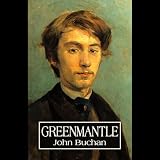
- Audible Audiobook
- John Buchan (Author) - Robert Whitfield (Narrator)
- English (Publication Language)
- 01/11/2007 (Publication Date) - Blackstone Audio, Inc. (Publisher)
Step-by-Step Plan: Analyzing Greenmantle by John Buchan
1. Identify the Central German Conspiracy: Understand the precise nature and intended impact of the “Greenmantle” plot.
- Action: Locate the initial exposition detailing the German plan to destabilize the Allied war effort through religious and political agitation.
- What to Look For: Evidence of a coordinated, clandestine operation aiming to sow discord and incite conflict beyond the Western Front.
- Mistake: Underestimating the scale and ambition of the depicted German strategy; Buchan presents it as a grave, world-altering threat.
2. Trace Richard Hannay’s Mission Parameters: Follow Hannay’s directives and operational scope.
- Action: Note the specific objectives assigned to Hannay and the geographical areas he must navigate to achieve them.
- What to Look For: The clandestine nature of his assignment and the absence of official recognition or support, highlighting his reliance on personal initiative.
- Mistake: Assuming Hannay operates with full state backing; his mission is covert, requiring him to evade detection by both allies and enemies.
3. Analyze the “Greenmantle” Network’s Modus Operandi: Examine how the antagonists operate and recruit.
- Action: Identify the methods used by the “Greenmantle” organization to spread propaganda and mobilize support.
- What to Look For: The exploitation of religious and political grievances, and the systematic approach to building a network of agents.
- Mistake: Focusing solely on overt military action; the novel emphasizes the insidious nature of psychological warfare and covert influence.
4. Evaluate Hannay’s Evasion and Intelligence Gathering: Observe his methods for survival and information acquisition.
- Action: Track Hannay’s use of disguise, improvisation, and observation in hostile environments.
- What to Look For: The resourcefulness and adaptability Hannay demonstrates when encountering unexpected obstacles and pursuers.
- Mistake: Attributing Hannay’s success solely to luck; his actions are often calculated risks taken under extreme pressure.
5. Assess the Role of Faith and Ideology: Understand how religious and nationalistic sentiments are leveraged.
- Action: Note instances where faith or ideological conviction serve as motivators for characters or as tools for manipulation by the antagonists.
- What to Look For: The strategic deployment of religious rhetoric by the “Greenmantle” network and the counter-arguments or appeals to duty presented by the Allied side.
- Mistake: Treating these elements as mere background color; they are integral to the antagonists’ plan and Buchan’s exploration of wartime motivations.
6. Appreciate the Narrative’s Escalating Tension: Understand how Buchan builds suspense through a series of challenges.
- Action: Observe the progression of Hannay’s journey, noting how each encounter or narrow escape contributes to the overall mission.
- What to Look For: The balance between intense action sequences and quieter moments of strategic planning or exposition.
- Mistake: Getting lost in individual thrilling set pieces without recognizing their contribution to the overarching objective of thwarting the German plot.
Common Mistakes
- Mistake: Treating the novel’s depiction of German strategy as an objective historical account.
- Why it matters: Greenmantle was written during World War I, reflecting British wartime propaganda and perspectives. The portrayal of German motives and the scope of their ambitions is shaped by this context.
- Fix: Read the novel with an awareness of its historical biases and its function as a piece of wartime literature designed to bolster morale and demonize the enemy.
- Mistake: Overlooking the significance of the religious and cultural dimensions of the plot.
- Why it matters: The central German objective—inciting a pan-Islamic holy war—is a key plot driver. This element is not merely a backdrop but a core strategic goal that underpins the narrative’s conflict and thematic exploration.
- Fix: Pay close attention to how Buchan integrates discussions of faith, cultural differences, and nationalistic fervor into the espionage and adventure elements.
- Mistake: Expecting a modern, psychologically complex protagonist.
- Why it matters: Richard Hannay is an archetype of the British hero of his era: brave, resourceful, and driven by duty, but not characterized by deep introspection or the moral ambiguity common in contemporary thriller heroes.
- Fix: Appreciate Hannay’s character as a representation of stoicism and national resilience rather than a deeply flawed or psychologically intricate individual.
- Mistake: Dismissing the novel’s espionage techniques as mere fiction.
- Why it matters: Buchan, with his experience in intelligence and government, incorporated many plausible espionage methods of the WWI era. These details contribute to the novel’s realism and its suspense.
- Fix: Recognize that the depicted methods for communication, evasion, and intelligence gathering often have roots in actual practices of the period, adding credibility to the narrative.
Greenmantle by John Buchan: A Contrarian Perspective
While lauded as a classic of the spy genre, Greenmantle by John Buchan presents a narrative that, upon closer examination, leans more towards adventure and patriotic sentiment than a nuanced portrayal of espionage. The novel’s enduring popularity often smooths over its limitations, particularly its often simplistic characterizations and its reliance on dramatic convenience over intricate operational realism.
BLOCKQUOTE_0
However, the effectiveness of this deception in the novel is frequently a function of narrative necessity rather than complex psychological maneuvering. Buchan’s primary focus is on the mechanics of espionage and the thrill of the chase, not the moral ambiguity that defines more contemporary spy fiction. This distinction is crucial for readers seeking depth beyond the plot’s action.
Expert Tips for a Critical Reading of Greenmantle
1. Scrutinize the Antagonist’s Portrayal:
- Action: Critically assess the depiction of German motives and capabilities, always considering the wartime propaganda context in which the novel was written.
- Common Mistake: Accepting the antagonists’ portrayal as an objective representation of German strategy during WWI, rather than a reflection of Buchan’s specific wartime perspective and nationalistic aims.
2. Evaluate Hannay’s Agency vs. Fortune:
- Action: Analyze how much of Hannay’s success stems from his own actions versus fortunate circumstances or the timely assistance of others.
- Common Mistake: Attributing Hannay’s victories solely to his inherent brilliance or bravery, when often luck and external support play a significant role in his survival and the completion of his mission.
3. Contextualize the “Holy War” Plot Device:
- Action: Research the historical context of Ottoman involvement in World War I and the actual potential for religious incitement by Germany.
- Common Mistake: Assuming the novel’s central plot device regarding a German-instigated holy war is a direct reflection of widespread historical reality, rather than a dramatic narrative element amplified by wartime fears and strategic possibilities.
Literary Context and Thematic Nuances
Buchan’s significant contribution to the spy genre lies in its early development of the “man on a mission” trope, seamlessly blending high-stakes adventure with a profound sense of national duty. However, the thematic exploration, particularly concerning faith and cultural conflict, can appear superficial when viewed through a contemporary, more critical lens.
| Element | Description | Contrarian Insight |
|---|---|---|
| <strong>Protagonist</strong> | Richard Hannay | Embodies an idealized, stoic British resilience; his character development is secondary to plot progression. |
| <strong>Antagonist</strong> | German intelligence network (“Greenmantle”) | Portrayed as a monolithic, almost cartoonishly efficient, force, lacking individual complexity or nuance. |
| <strong>Primary Conflict</strong> | Thwarting a German plot to incite global unrest and a holy war. | The plot’s dramatic potential is prioritized over nuanced geopolitical analysis or the complexities of war. |
| <strong>Key Themes</strong> | Duty, faith, national identity, deception. | Explored through action and broad strokes, rather than deep psychological or philosophical inquiry. |
| <strong>Setting</strong> | World War I Europe and Middle East. | Provides a backdrop for adventure, but detailed historical or cultural accuracy can be secondary to plot. |
Frequently Asked Questions
- Q: Is Greenmantle by John Buchan a realistic depiction of espionage during WWI?
- A: It offers a stylized, adventure-focused portrayal that incorporates plausible elements of espionage for its time. However, it prioritizes narrative excitement and patriotic themes over strict historical or operational realism.
- Q: What is the primary difference between Greenmantle and The Thirty-Nine Steps?
- A: While both feature Richard Hannay in peril, Greenmantle involves a more international scope and a grander strategic objective: preventing a global holy war. The Thirty-Nine Steps is more focused on a domestic conspiracy and Hannay’s personal flight from unjust accusations.
- Q: Why is Greenmantle considered a classic of its genre?
- A: Its status as a classic stems from its pioneering role in establishing the fast-paced espionage thriller, its compelling adventure narrative, and its thematic resonance with British patriotism during WWI, influencing subsequent generations of writers.
- Q: Does Greenmantle by John Buchan require reading The Thirty-Nine Steps first?
- A: While it enhances the experience to know Richard Hannay from The Thirty-Nine Steps, Greenmantle functions as a standalone novel. Key aspects of Hannay’s character and his background are sufficiently conveyed within the text.
Decision Rules
- If reliability is your top priority for Greenmantle by John Buchan, choose the option with the strongest long-term track record and support.
- If value matters most, compare total ownership cost instead of headline price alone.
- If your use case is specific, prioritize fit-for-purpose features over generic ‘best overall’ claims.