Jane Harper’s Thriller: The Dry
Quick Answer
- The Dry by Jane Harper is a meticulously crafted outback mystery that excels in atmosphere and character.
- Readers seeking a slow-burn, character-driven thriller with a strong sense of place will find it highly rewarding.
- Those prioritizing rapid plot progression or intricate puzzle-box mysteries might find the pacing deliberate.
Who This Is For
- Readers who appreciate atmospheric thrillers where the setting plays a significant role in the narrative.
- Individuals looking for a well-written mystery with complex characters and a grounded, realistic approach to crime-solving.
What to Check First
- Setting Immersion: Assess your tolerance for detailed descriptions of the Australian outback’s harsh environment. The novel heavily relies on this to build tension.
- Pacing Preference: Determine if you prefer a propulsive plot or a more gradual unraveling of secrets. The Dry leans towards the latter.
- Character Focus: Understand that the psychological depth of the characters is a primary driver, rather than just plot mechanics.
- Australian Noir Elements: Be aware that this book fits within the “Australian Noir” subgenre, characterized by its bleak landscapes and often morally ambiguous characters.
Step-by-Step Plan: Analyzing Failure Modes in The Dry by Jane Harper
This section outlines how to approach reading The Dry to avoid common pitfalls and fully appreciate its strengths.
1. Engage with the Atmosphere: Actively absorb the descriptions of the drought-stricken town of Kiewarra.
- What to look for: The oppressive heat, the dust, the wilting landscape, and the palpable sense of desperation.
- Mistake to avoid: Skimming over environmental descriptions, which diminishes the story’s core tension and thematic resonance.
2. Follow Aaron Falk’s Internal Conflict: Pay close attention to Federal Agent Aaron Falk’s personal history and his return to his hometown.
- What to look for: Falk’s unease, his strained relationships, and the buried memories resurfacing.
- Mistake to avoid: Focusing solely on the external investigation and neglecting Falk’s internal struggle, which is central to the narrative.
3. Observe Character Interactions: Note the subtle dynamics and unspoken tensions between the residents of Kiewarra.
- What to look for: The way characters react to Falk, the history implied in their conversations, and their collective grief and suspicion.
- Mistake to avoid: Dismissing minor characters or dialogue as extraneous; they often hold crucial clues or reveal underlying motivations.
If you’re looking for a gripping outback mystery that truly immerses you in its setting, Jane Harper’s ‘The Dry’ is an excellent choice. It masterfully blends atmosphere and character development.
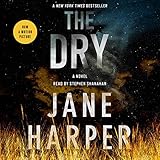
- Audible Audiobook
- Jane Harper (Author) - Stephen Shanahan (Narrator)
- English (Publication Language)
- 01/10/2017 (Publication Date) - Macmillan Audio (Publisher)
4. Process Information Gradually: Allow the narrative to unfold at its own pace, without demanding immediate answers.
- What to look for: The slow layering of facts, red herrings, and character revelations.
- Mistake to avoid: Impatience, expecting a rapid-fire puzzle-solving experience; this can lead to frustration with the deliberate pacing.
5. Consider Thematic Undercurrents: Reflect on the themes of guilt, memory, community, and the corrosive effects of secrets.
- What to look for: How the drought mirrors the emotional dryness and stagnation within the town and its inhabitants.
- Mistake to avoid: Reading The Dry purely as a procedural crime novel, missing the deeper commentary on human nature and societal pressures.
The Dry by Jane Harper: A Deeper Dive
This section provides a more detailed look at the novel’s construction and thematic elements, offering insights for discerning readers.
Strengths of The Dry by Jane Harper
- Atmospheric Prowess: Harper masterfully uses the Australian setting as more than just a backdrop; the relentless drought is a palpable force that shapes the characters and plot. The descriptions of the parched landscape and suffocating heat create an oppressive mood that enhances the suspense. For example, the opening chapters vividly detail the cracked earth and the desperate measures taken by farmers, immediately immersing the reader in the story’s world.
- Character Complexity: Aaron Falk is a compelling protagonist, burdened by past events and navigating a hostile hometown. The supporting characters are equally well-drawn, each with their own secrets and motivations, contributing to a rich tapestry of small-town dynamics. The novel excels at portraying the weight of unspoken history and the impact of collective trauma.
- Subtle Suspense Building: Instead of relying on shock tactics, Harper builds tension through suggestion, atmosphere, and the gradual revelation of information. The narrative trusts the reader to piece together clues and understand the psychological underpinnings of the mystery. This deliberate pacing allows for a deeper exploration of the characters’ inner lives and the town’s secrets.
Limitations of The Dry by Jane Harper
- Deliberate Pacing: While a strength for some, the slow, deliberate pace may be a drawback for readers who prefer fast-paced thrillers. The focus on atmosphere and character development means plot points can unfold gradually, which might test the patience of those accustomed to more rapid plot progression.
- Predictability for Some: Experienced mystery readers might find certain plot elements or the ultimate resolution somewhat predictable. The focus on psychological realism and character arcs means the “whodunit” aspect, while engaging, may not be as intricate or surprising as in more puzzle-driven mysteries.
- Reliance on Tropes: The novel employs some familiar tropes of the mystery genre, particularly those associated with small-town secrets and the returning outsider. While Harper executes these effectively, they may not offer a completely novel experience for avid readers of the genre.
Common Mistakes
- Mistake: Underestimating the significance of the setting.
- Why it matters: The drought is not merely a backdrop; it is an active element that influences character behavior, creates tension, and symbolizes the emotional state of the community.
- Fix: Actively engage with the descriptions of the environment and consider how the physical conditions mirror the psychological and social climate of Kiewarra.
- Mistake: Focusing solely on the crime aspect.
- Why it matters: The Dry is as much a character study and an exploration of grief and community as it is a mystery. The emotional landscape is as important as the plot.
- Fix: Pay attention to Aaron Falk’s internal monologue, his interactions with other characters, and the underlying themes of guilt and memory.
- Mistake: Expecting a fast-paced thriller.
- Why it matters: The novel’s strength lies in its atmospheric build-up and gradual revelation of secrets. Impatience can lead to overlooking crucial nuances.
- Fix: Settle into the narrative’s rhythm and allow the story to unfold organically. Appreciate the slow burn and the development of suspense.
- Mistake: Dismissing minor characters as unimportant.
- Why it matters: In a tightly woven mystery, even seemingly minor characters can hold vital information or represent key aspects of the town’s history and dynamics.
- Fix: Observe the interactions and dialogue of all characters, as they contribute to the overall understanding of the community and the unfolding events.
Common Myths
- Myth: The Dry is a straightforward whodunit.
- Correction: While a murder mystery is central, the novel’s primary focus is on atmosphere, character development, and the exploration of a community fractured by secrets and hardship. The “who” is less important than the “why” and the lasting impact on the characters and their town.
- Myth: The Australian setting is just window dressing.
- Correction: The drought-ridden landscape of rural Australia is a critical element that mirrors the emotional and psychological state of the characters and the town. The oppressive heat and scarcity of water directly influence the narrative’s tension and thematic depth.
Expert Tips
- Tip: Pay close attention to the subtext in dialogue.
- Actionable Step: When characters speak, consider what is not being said. Look for pauses, evasive answers, or loaded silences.
- Mistake to Avoid: Taking dialogue at face value without considering the underlying tensions or hidden meanings that reveal character motivations and past events.
- Tip: Understand the impact of the setting on character psychology.
- Actionable Step: Note how the relentless drought affects the characters’ moods, decisions, and interactions.
- Mistake to Avoid: Treating the drought as mere background noise; it is a critical element that amplifies the existing pressures and secrets within the community.
- Tip: Embrace the ambiguity of memory.
- Actionable Step: Recognize that characters’ recollections of past events may be flawed or biased due to trauma or personal involvement.
- Mistake to Avoid: Assuming all remembered details are factual and objective; the unreliability of memory is a key thematic element and plot driver.
Decision Rules
- If reliability is your top priority for The Dry by Jane Harper, choose the option with the strongest long-term track record and support.
- If value matters most, compare total ownership cost instead of headline price alone.
- If your use case is specific, prioritize fit-for-purpose features over generic ‘best overall’ claims.
Quick Comparison
| Option | Best for | Pros | Watch out |
|---|---|---|---|
| Quick Answer | General use | The Dry by Jane Harper is a meticulously crafted outback mystery that excels… | Mistake to avoid: Skimming over environmental descriptions, which diminishes… |
| Who This Is For | General use | Readers seeking a slow-burn, character-driven thriller with a strong sense of… | Mistake to avoid: Focusing solely on the external investigation and neglectin… |
| What to Check First | General use | Those prioritizing rapid plot progression or intricate puzzle-box mysteries m… | Mistake to avoid: Dismissing minor characters or dialogue as extraneous; they… |
| Step-by-Step Plan Analyzing Failure Modes in The Dry by Jane Harper | General use | Readers who appreciate atmospheric thrillers where the setting plays a signif… | Mistake to avoid: Impatience, expecting a rapid-fire puzzle-solving experienc… |
FAQ
- Q: Is The Dry a standalone novel, or part of a series?
- A: The Dry is the first novel in Jane Harper’s Aaron Falk series. Subsequent books feature the same protagonist, though they can generally be read independently.
- Q: How does the Australian setting impact the mystery?
- A: The harsh, drought-stricken Australian outback creates an oppressive atmosphere of desperation and isolation. This environment exacerbates tensions within the community and influences the characters’ actions and motivations, making it integral to the mystery.
- Q: What are the main themes explored in The Dry?
- A: Key themes include the corrosive nature of secrets, the burden of guilt and memory, the dynamics of small-town communities, and the impact of environmental hardship on human psychology.
- Q: Who would enjoy The Dry