James Clavell’s Epic Novel Tai Pan
Quick Answer
- Tai Pan offers a deep dive into the cutthroat world of 19th-century Hong Kong commerce, centering on the formidable Dirk Struan and his relentless pursuit of dominance.
- This novel is ideal for readers who appreciate intricate historical sagas, detailed portrayals of business strategy, and morally complex characters navigating cultural divides.
- Readers expecting simplified narratives, fast-paced action divorced from economic context, or straightforward moral protagonists may find the novel’s depth challenging.
Who This Is For
- Individuals fascinated by the genesis of global trade empires, the impact of colonialism, and the intricate dynamics of early international business.
- Readers who enjoy lengthy, character-focused epics that explore themes of ambition, legacy, and the often-uncompromising realities of cultural encounters.
What to Check First
- Historical Milieu: Understanding the context of the Opium Wars and the British presence in Asia during the mid-1800s is crucial for appreciating the novel’s setting.
- Narrative Density: Be prepared for a sprawling narrative that dedicates significant attention to commercial details and societal structures, which may impact pacing for some readers.
- Ethical Ambiguity: The characters operate in a morally gray landscape, frequently making decisions that blur the lines between pragmatism and ethical compromise.
- Cultural Depictions: Clavell’s portrayal of East-West interactions reflects the era’s perspectives; engage with these critically, recognizing potential historical biases.
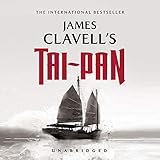
- Audible Audiobook
- James Clavell (Author) - Gildart Jackson (Narrator)
- English (Publication Language)
- 03/18/2015 (Publication Date) - Blackstone Audio, Inc. (Publisher)
Step-by-Step Plan for Engaging with Tai Pan by James Clavell
1. Contextualize the Setting: Action: Read the opening chapters with an eye for the depiction of Hong Kong in 1841 as a volatile, nascent trading hub and the introduction of Dirk Struan. What to look for: The precarious environment and Struan’s immediate positioning within it. Mistake: Underestimating the foundational importance of this setup, which dictates subsequent conflicts and character motivations.
2. Identify Primary Rivalries: Action: Track the core competitive struggles, particularly the intense rivalries faced by Struan’s Noble House from other merchant families. What to look for: The economic stakes and the ruthless strategies employed in this commercial warfare. Mistake: Failing to grasp that the high-stakes business conflicts are the narrative’s central engine.
3. Map Key Trading Houses: Action: Maintain a clear understanding of the major trading houses and their principal figures. What to look for: The intricate network of alliances, betrayals, and familial ties that characterize the power dynamics. Mistake: Becoming overwhelmed by trying to memorize every character; focus on the primary actors and their immediate connections.
4. Analyze Cultural Intersections: Action: Observe the interactions and tensions between British and Chinese characters and societies. What to look for: The prejudices, misunderstandings, and pragmatic adaptations that define these relationships. Mistake: Approaching these dynamics solely from one cultural perspective, thereby missing the complexities of the intercultural exchange.
5. Follow the Commercial Flow: Action: Pay close attention to the specific goods traded (tea, silk, opium) and the associated logistical challenges. What to look for: How these commodities fuel ambition and drive the plot. Mistake: Dismissing detailed descriptions of commerce as mere background; they are critical to understanding character motivations.
6. Evaluate Character Ethics: Action: Examine the moral choices made by the central characters, especially Dirk Struan. What to look for: The justifications for their actions and the blurred lines between expediency and morality. Mistake: Expecting clear-cut heroes and villains; the novel’s strength lies in its morally ambiguous figures.
7. Consider the Historical Framework: Action: Reflect on how the specific historical period (mid-19th century) influences events and character decisions. What to look for: The impact of imperialism, early capitalism, and prevailing societal norms. Mistake: Judging characters and their actions solely through a modern ethical lens without acknowledging the historical context.
8. Contemplate the Founding Legacy: Action: Consider the long-term consequences of the events and decisions depicted in the novel. What to look for: The enduring impact of the trading post’s establishment and the rivalries forged. Mistake: Finishing the book without contemplating its thematic resonance regarding power, ambition, and the genesis of global enterprise.
Tai Pan by James Clavell: A Critical Examination
This section offers a contrarian perspective on Tai Pan by James Clavell, evaluating its strengths and limitations to aid reader decision-making. The novel is a substantial work, and its value can vary significantly based on individual reader priorities and expectations.
Narrative Strengths and Thematic Anchors
- The Mechanics of Empire Building: Clavell meticulously details the often-brutal processes of establishing international trade in the 19th century. The novel reconstructs the logistical hurdles, high-stakes negotiations, and sheer audacity required to build profitable ventures. Struan’s Noble House serves as a potent case study of this era’s commercial expansion.
- Concrete Takeaway: A granular understanding of the foundational risks and strategic imperatives of early global commerce, revealing the unvarnished realities of empire building.
- Cultural Interplay and Conflict: Tai Pan vividly illustrates the friction between Western expansionist ambitions and established Chinese society. The narrative depicts the prejudices, misunderstandings, and exploitative relationships characteristic of the period. This cultural collision is a primary engine of the plot.
- Concrete Takeaway: An appreciation for the complex social and cultural dynamics that shaped colonial expansion, though one must critically assess the narrative’s perspective.
- Moral Ambiguity as a Driving Force: A key strength is the novel’s refusal to present characters in simplistic moral terms. Dirk Struan, the central figure, is a visionary leader whose brilliance is intertwined with ethically compromising decisions made in service of his enterprise. This complexity prompts readers to question the nature of success and its associated compromises.
- Concrete Takeaway: Recognition that significant achievement can necessitate difficult, ethically gray choices, challenging simplistic notions of heroism.
Counterpoints and Reader Considerations
While Tai Pan is a monumental achievement, certain aspects present challenges for specific reader profiles. The novel’s extensive focus on commerce, while a strength for many, can be a significant drawback for others.
- Pacing and Expository Detail: The narrative is densely packed with descriptions of trade, shipping, and economic strategy. For readers seeking a brisk adventure, the detailed exposition on commodities like silk, tea, and opium, alongside intricate business negotiations, may feel excessively slow.
- Evidence: Chapters often dedicate significant space to the logistics of a single shipment or the negotiation of a specific contract, offering a granular view of the era’s commerce. This depth, while historically rich, can lead to a perceived lack of narrative momentum.
- Decision Criterion: If rapid plot progression is a primary requirement, Tai Pan may not align with your reading preferences.
- Character Archetypes and Historical Representation: While characters possess depth, some may align with recognizable archetypes of the era. Furthermore, Clavell’s portrayal of Chinese characters and culture, while aiming for historical authenticity, can be interpreted through a modern lens as reflecting colonial perspectives and stereotypes prevalent in Western literature of the time.
- Evidence: Certain characterizations and motivations of Chinese figures may align with Orientalist tropes common in Western literature of the period.
- Caveat: Readers should approach these depictions with an awareness of the historical context and the potential biases inherent in the narrative, rather than accepting them as unvarnished truth.
Common Mistakes
- Underestimating the Economic Engine: Mistake — Skimming or dismissing the detailed descriptions of trade and financial dealings. — Why it matters — These sections are fundamental to understanding the characters’ motivations, the plot’s progression, and the stakes of the conflicts. — Fix — Engage with the commercial aspects as integral plot elements, not mere background.
- Applying Modern Morality: Mistake — Judging characters solely by contemporary ethical standards. — Why it matters — The novel explores the pragmatic, often ruthless, decisions necessary for survival and success in a demanding historical context. — Fix — Embrace the moral ambiguity and analyze character actions within their specific historical and cultural milieu.
- Ignoring Cultural Nuances: Mistake — Viewing intercultural interactions exclusively from a Western perspective. — Why it matters — The interplay and friction between different cultures are central to the novel’s narrative depth and thematic exploration. — Fix — Actively consider the perspectives and societal structures of all depicted cultures to gain a fuller understanding.
- Over-Focusing on Minor Characters: Mistake — Trying to memorize every character and their lineage immediately. — Why it matters — The extensive cast can be daunting if approached as a memory exercise. — Fix — Prioritize understanding the primary actors and their immediate relationships; secondary characters will gain clarity as the plot unfolds.
Expert Tips
- Tip 1: Embrace the Economic Detail. Action: Read the descriptions of trade goods, shipping routes, and financial transactions with focused attention. Common Mistake: Skipping these sections, assuming they are mere historical filler. Fix: Recognize that these details are the bedrock of the characters’ ambitions and the conflicts that arise.
- Tip 2: Track the Power Shifts. Action: Pay close attention to how alliances form and dissolve between the various trading houses and families. Common Mistake: Losing track of who is allied with whom and why. Fix: Make brief notes on key relationships and rivalries as they emerge; this will clarify the complex power plays.
- Tip 3: Consider the Historical Lens. Action: Remind yourself that the novel reflects the societal norms, prejudices, and economic realities of the mid-19th century. Common Mistake: Judging characters and their actions solely by 21st-century ethical standards. Fix: Analyze character motivations and decisions within the framework of their historical context to appreciate their complexity.
Tai Pan by James Clavell: A Historical Overview and Reader’s Guide
This section provides a closer look at the historical context and narrative structure of Tai Pan by James Clavell, offering insights into its thematic significance and reader suitability. The novel serves as a foundational text within Clavell’s larger Asian Saga, detailing the often-unseen machinations behind the establishment of
Quick Comparison
| Option | Best for | Pros | Watch out |
|---|---|---|---|
| Quick Answer | General use | Tai Pan offers a deep dive into the cutthroat world of 19th-century Hong Ko… | Underestimating the Economic Engine: Mistake — Skimming or dismissing the det… |
| Who This Is For | General use | This novel is ideal for readers who appreciate intricate historical sagas, de… | Applying Modern Morality: Mistake — Judging characters solely by contemporary… |
| What to Check First | General use | Readers expecting simplified narratives, fast-paced action divorced from econ… | Ignoring Cultural Nuances: Mistake — Viewing intercultural interactions exclu… |
| Step-by-Step Plan for Engaging with Tai Pan by James Clavell | General use | Individuals fascinated by the genesis of global trade empires, the impact of… | Over-Focusing on Minor Characters: Mistake — Trying to memorize every charact… |
Decision Rules
- If reliability is your top priority for Tai Pan by James Clavell, choose the option with the strongest long-term track record and support.
- If value matters most, compare total ownership cost instead of headline price alone.
- If your use case is specific, prioritize fit-for-purpose features over generic ‘best overall’ claims.