James Baldwin’s If Beale Street Could Talk Explored
This analysis provides a precise breakdown of James Baldwin’s If Beale Street Could Talk, focusing on its narrative structure, thematic depth, and enduring relevance. It is designed for readers seeking a clear understanding of the novel’s critical components and its position within American literature, particularly those interested in the authorial legacy and influence of James Baldwin.
Quick Answer
- Core Subject: If Beale Street Could Talk by James Baldwin is a poignant narrative exploring the devastating impact of systemic racism on love, family, and individual lives in 1970s America.
- Narrative Strength: The novel’s power lies in its intimate, lyrical prose and its unflinching, character-focused depiction of resilience against injustice.
- Reader Outcome: Readers will gain a profound understanding of the personal cost of racial prejudice and the strength of human connection under extreme duress.
Who This Is For
- Readers interested in seminal works of American literature that critically examine race, justice, and societal structures, appreciating Baldwin’s distinct authorial voice.
- Individuals seeking to understand the complexities of love and survival within the context of systemic oppression, recognizing the engine of human emotion driving the narrative.
What to Check First
- Baldwin’s Sociopolitical Context: Understand James Baldwin’s critical stance on race relations in America during the mid-20th century. This provides essential background for the novel’s themes and its desired impact.
- Thematic Focus: Be prepared for a deep exploration of racial injustice, the failures of the legal system, and the enduring power of love and familial support.
- Narrative Voice: Recognize Baldwin’s distinctive, poetic, and emotionally charged prose style. Engaging with this voice is crucial for appreciating the novel’s impact.
- Character-Centric Approach: Note that the novel prioritizes the internal lives and emotional journeys of its characters over plot mechanics.
Step-by-Step Plan for Engaging with If Beale Street Could Talk by James Baldwin
1. Initial Reading: Read the novel to absorb the primary narrative of Tish’s efforts to free her falsely accused fiancé, Fonny.
- Action: Read through the novel without significant pauses for analysis.
- What to Look For: The immediate emotional stakes and the development of the central romantic relationship.
- Mistake: Skimming passages, which can lead to missing the nuanced emotional texture and poetic depth that are central to the novel’s impact.
2. Character Study: Analyze Tish and Fonny, their families, and key supporting figures, noting their individual responses to systemic pressures.
- Action: Revisit character descriptions and interactions.
- What to Look For: How characters embody or resist the societal forces acting upon them, particularly their resilience and vulnerabilities.
- Mistake: Overlooking the complexities of the supporting characters, especially the families, who are integral to understanding the broader social fabric and the characters’ support systems.
3. Thematic Identification: Identify recurring themes such as love, justice, race, and the American Dream as depicted within the narrative.
- Action: Note instances where these themes are explicitly discussed or implied.
- What to Look For: How Baldwin uses the personal experiences of his characters to comment on larger societal issues and systemic failures.
- Mistake: Viewing the novel solely as a love story without acknowledging the pervasive influence of racial injustice as the primary antagonistic force.
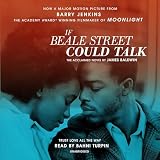
- Audible Audiobook
- James Baldwin (Author) - Bahni Turpin (Narrator)
- English (Publication Language)
- 02/01/2016 (Publication Date) - Blackstone Audio, Inc. (Publisher)
4. Symbolism and Imagery Analysis: Pay close attention to Baldwin’s use of symbolism and evocative imagery, particularly concerning confinement, freedom, and community.
- Action: Highlight or list recurring symbols and images.
- What to Look For: Recurring motifs that reinforce the characters’ struggles and their aspirations for a better future.
- Mistake: Dismissing descriptive passages as mere embellishment, rather than recognizing them as integral to conveying the novel’s emotional and thematic weight.
5. Contextual Re-evaluation: Consider the novel within its historical and social context, particularly the Civil Rights era and its aftermath.
- Action: Research or recall the historical period in which the novel is set and was written.
- What to Look For: Parallels between the novel’s events and the lived realities of Black Americans during that period.
- Mistake: Reading the novel in isolation, without understanding its place within James Baldwin’s body of work and the broader landscape of American literature addressing race.
6. Critical Passage Review: Re-read pivotal scenes, such as courtroom testimonies or moments of familial solidarity, to appreciate their full significance.
- Action: Select and re-read key scenes that resonate emotionally or thematically.
- What to Look For: Subtle shifts in dialogue, internal monologue, and narrative perspective that reveal deeper truths about the characters and their situation.
- Mistake: Assuming a single reading is sufficient to grasp the novel’s layered meanings and intricate emotional architecture.
Common Myths
- Myth 1: If Beale Street Could Talk by James Baldwin offers a purely pessimistic outlook on race relations.
- Why it Matters: This view can lead readers to overlook the novel’s core message of resilience and the profound strength of human connection, misinterpreting Baldwin’s desired engine of hope.
- Fix: Recognize that while the novel unflinchingly depicts systemic injustice, it simultaneously celebrates the enduring power of love, family, and hope as forces of resistance and survival. Baldwin emphasizes the tenacity of the human spirit.
- Myth 2: The novel’s primary focus is on the mechanics of the legal system.
- Why it Matters: This misinterpretation can cause readers to expect a procedural thriller, leading to disappointment with the novel’s character- and theme-driven approach.
- Fix: Understand that the legal proceedings serve as a backdrop and catalyst for exploring the profound emotional, psychological, and social impact of racial prejudice on individuals and their communities. The focus is on the human cost, not the legal process itself.
Expert Tips
- Tip 1: Focus on Baldwin’s Language: Actively engage with Baldwin’s lyrical prose, paying attention to his sentence structure, imagery, and emotional tone.
- Actionable Step: Reread at least one chapter specifically focusing on descriptive passages and dialogue, noting how Baldwin uses language to convey character interiority and atmosphere.
- Common Mistake to Avoid: Treating the prose as mere exposition; its aesthetic and emotional qualities are fundamental to the novel’s meaning and impact.
- Tip 2: Trace the Theme of Love: Identify how love, in its various forms (romantic, familial, platonic), functions as both a source of strength and a target of oppression.
- Actionable Step: Keep a running log of instances where love is explicitly discussed or demonstrated, noting how it is tested and how it endures.
- Common Mistake to Avoid: Viewing love as solely a romantic ideal; Baldwin presents it as a complex, demanding, and often radical act of defiance.
- Tip 3: Consider the Role of Memory and Flashback: Recognize how flashbacks and Tish’s recollections build a richer understanding of Fonny and their relationship.
- Actionable Step: When encountering a flashback, pause to consider what specific aspect of Fonny’s character or their shared history it illuminates, and how it contrasts with their present circumstances.
- Common Mistake to Avoid: Disregarding flashbacks as tangential; they are crucial for constructing the full emotional and biographical portrait of the characters.
Understanding If Beale Street Could Talk by James Baldwin: A Deeper Dive
James Baldwin’s If Beale Street Could Talk (1974) is a profound literary achievement that masterfully interrogates the intersection of racial injustice, love, and family. The novel centers on Tish, a young, pregnant woman fighting to prove the innocence of her fiancé, Fonny, who has been wrongly accused of a crime. Baldwin’s narrative engine is his exquisite, poetic prose, which imbues the story with an almost unbearable emotional weight, rendering the personal cost of systemic oppression with stark clarity.
The narrative structure, primarily told through Tish’s perspective but incorporating Fonny’s experiences via flashbacks and other accounts, creates a comprehensive emotional landscape. This approach allows Baldwin to explore the depth of their connection and the devastating consequences of a justice system inherently biased against Black Americans. The novel’s thematic core—love as a radical act of resistance, the crushing burden of societal prejudice, and the unyielding strength found within familial bonds—is woven throughout every interaction and reflection.
BLOCKQUOTE_0
This quote underscores Baldwin’s complex portrayal of love. It is not depicted as a simple, passive emotion but as an active, ongoing struggle that requires immense effort and growth. For Tish and Fonny, their love is a constant test, challenged by their environment, the threat of separation, and the fight for justice. This perspective compels readers to consider the fortitude required to sustain genuine connection amidst pervasive societal antagonism.
Strengths and Limitations
The novel’s paramount strength is its profound emotional resonance, achieved through Baldwin’s unparalleled command of language. His capacity to render the inner lives of his characters with such vividness and empathy is exceptional. The nuanced portrayal of the Black family unit, with its inherent conflicts and external pressures, is deeply affecting and provides a vital counterpoint to societal narratives. The authorial legacy of James Baldwin is powerfully evident in this intimate portrayal.
Conversely, some readers may find the novel’s dense prose and its unflinching depiction of hardship to be intellectually and emotionally demanding. The deliberate pacing, while effective in building atmosphere and character depth, might feel slow to those accustomed to more plot-driven narratives. The emphasis on internal experience and thematic exploration means that plot mechanics, particularly those related to the legal struggle, are secondary to the profound emotional and psychological toll they exact.
Reader Takeaways and Context
Engaging with *If
Quick Comparison
| Option | Best for | Pros | Watch out |
|---|---|---|---|
| Quick Answer | General use | Core Subject: If Beale Street Could Talk by James Baldwin is a poignant nar… | Mistake: Skimming passages, which can lead to missing the nuanced emotional t… |
| Who This Is For | General use | Narrative Strength: The novel’s power lies in its intimate, lyrical prose and… | Mistake: Overlooking the complexities of the supporting characters, especiall… |
| What to Check First | General use | Reader Outcome: Readers will gain a profound understanding of the personal co… | Mistake: Viewing the novel solely as a love story without acknowledging the p… |
| Step-by-Step Plan for Engaging with If Beale Street Could Talk by James Baldwin | General use | Readers interested in seminal works of American literature that critically ex… | Mistake: Dismissing descriptive passages as mere embellishment, rather than r… |
Decision Rules
- If reliability is your top priority for If Beale Street Could Talk by James Baldwin, choose the option with the strongest long-term track record and support.
- If value matters most, compare total ownership cost instead of headline price alone.
- If your use case is specific, prioritize fit-for-purpose features over generic ‘best overall’ claims.