Inside Anthony Bourdain’s Kitchen Confidential
Kitchen Confidential by Anthony Bourdain: Quick Answer
- Kitchen Confidential by Anthony Bourdain offers a raw, unfiltered look into the high-pressure world of professional kitchens.
- It is essential reading for aspiring chefs, food enthusiasts, and anyone curious about the realities behind the restaurant industry.
- The book’s strength lies in its unflinching honesty and Bourdain’s distinctive voice, though its dated references and graphic content may not appeal to all readers.
Who This Is For
- Readers interested in the unvarnished truth about restaurant kitchens, beyond the curated plating and dining room ambiance.
- Individuals seeking to understand the demanding lifestyle, camaraderie, and often chaotic environment that shapes culinary professionals.
For an unflinching dive into the culinary trenches, Anthony Bourdain’s seminal work, Kitchen Confidential, is an absolute must-read. It offers a raw, unfiltered look into the high-pressure world of professional kitchens.
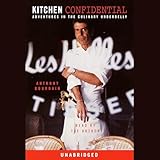
- Audible Audiobook
- Anthony Bourdain (Author) - Anthony Bourdain, Irvine Welsh (Narrators)
- English (Publication Language)
- 02/06/2001 (Publication Date) - Random House Audio (Publisher)
What to Check First
- Bourdain’s Voice and Tone: Assess if his often cynical, profane, and intensely personal narrative style resonates with your reading preferences.
- Industry Context: Understand that the book reflects the restaurant scene of the late 1990s and early 2000s; some specific practices or technologies may have evolved.
- Graphic Content Warning: Be prepared for descriptions of drug use, explicit language, and intense workplace dynamics, which are integral to the book’s authenticity but can be challenging.
- Narrative Structure: Recognize that it’s a memoir and a cultural exposé, not a traditional instructional guide.
Step-by-Step Plan for Understanding Kitchen Confidential
1. Read the Introduction and Early Chapters: Action: Familiarize yourself with Bourdain’s background and his entry into the culinary world. What to look for: The initial shock and disillusionment with the reality versus the perceived glamour of professional cooking. Mistake: Assuming the book will offer recipes or straightforward career advice.
2. Examine the “Brigade” System: Action: Pay attention to descriptions of kitchen hierarchy and roles. What to look for: The strict discipline, the chain of command, and the intense pressure cooker environment. Mistake: Underestimating the psychological toll of this structure.
3. Identify Themes of Camaraderie and Survival: Action: Note the passages detailing the bonds formed between kitchen staff. What to look for: How shared hardship, long hours, and often illicit activities forge a unique sense of community. Mistake: Overlooking the underlying humanity amidst the chaos.
4. Analyze Bourdain’s Reflections on Food and Sourcing: Action: Look for his commentary on ingredients, preparation, and the respect (or lack thereof) for the culinary craft. What to look for: His evolving perspective on quality, authenticity, and the ethics of food production. Mistake: Dismissing his insights as mere opinion; they are deeply informed by experience.
5. Consider the “Dark Side” Portrayals: Action: Read carefully the sections detailing drug use and the often-unseen struggles of chefs. What to look for: The normalization of certain behaviors within the industry and the coping mechanisms employed. Mistake: Judging the characters solely by modern standards without understanding the subculture depicted.
6. Evaluate the Book’s Cultural Impact: Action: Reflect on why this book became a phenomenon. What to look for: Its role in demystifying the restaurant industry and elevating the perception of chefs. Mistake: Reading it as a simple tell-all without acknowledging its significant influence on food writing and culture.
7. Engage with the Conclusion: Action: Consider Bourdain’s final thoughts and his enduring passion for the profession. What to look for: A sense of closure and a nuanced appreciation for the demanding life he describes. Mistake: Ending the reading experience with the most shocking anecdotes, missing the deeper message.
Kitchen Confidential by Anthony Bourdain: Strengths and Limitations
Strengths
- Authenticity: Bourdain’s unflinching honesty provides an unparalleled, insider’s perspective on the realities of professional kitchens. His vivid descriptions of the fast-paced, often gritty environment are highly compelling.
- Voice: His distinctive, cynical, yet passionate narrative voice is captivating. It draws readers in, making even the most mundane or unpleasant aspects of kitchen life engaging.
- Cultural Significance: The book played a pivotal role in demystifying the restaurant industry for the general public and elevated the status of chefs from anonymous workers to complex individuals with compelling stories.
Limitations
- Dated References: The book was published in 2000, and some of its specific references to technology, industry practices, and even prevailing attitudes may feel dated.
- Graphic Content: The explicit language, descriptions of drug use, and intense workplace conflicts are integral to the book’s realism but can be off-putting for some readers.
- Lack of Broad Appeal: While lauded by many, the raw and often bleak portrayal of kitchen life might not appeal to readers seeking lighter fare or purely aspirational content about the culinary world.
Common Myths About Kitchen Confidential
- Myth: The book is a guide to becoming a successful chef.
- Why it matters: This misconception can lead to disappointment if readers expect practical, step-by-step career advice.
- Fix: Approach Kitchen Confidential as a memoir and cultural exposé, not a how-to manual. Focus on the insights into the lifestyle and mindset.
- Myth: All restaurants operate exactly as depicted in the book.
- Why it matters: Bourdain’s experience was specific to his time and the types of establishments he worked in. Generalizing his account to every kitchen can be misleading.
- Fix: Recognize that Kitchen Confidential offers one powerful, albeit extreme, perspective. Understand that restaurant cultures vary widely.
- Myth: Bourdain glorifies the excesses described within the book.
- Why it matters: His narrative can be misconstrued as an endorsement of unhealthy or dangerous behaviors.
- Fix: Read Bourdain’s descriptions of drug use and other excesses as reflections of survival mechanisms and subcultural norms within a high-stress environment, not as recommendations. His underlying message often critiques the system that fosters such coping mechanisms.
Expert Tips for Reading Kitchen Confidential
- Tip 1: Contextualize the Era.
- Actionable Step: Note the publication date (2000) and consider how the restaurant industry may have evolved since then regarding technology, labor practices, and awareness of health and safety protocols.
- Common Mistake to Avoid: Assuming all practices described are still current industry standards.
- Tip 2: Focus on the “Why.”
- Actionable Step: When encountering descriptions of chaotic or extreme situations, ask yourself why Bourdain portrays them this way. Look for the underlying human elements, pressures, and motivations.
- Common Mistake to Avoid: Simply reacting to the shock value without delving into the deeper narrative of survival, camaraderie, and the pursuit of culinary excellence under duress.
- Tip 3: Appreciate the Craft.
- Actionable Step: Amidst the stories of long hours and difficult conditions, identify Bourdain’s genuine passion for food, ingredients, and the art of cooking.
- Common Mistake to Avoid: Overlooking his profound respect for culinary skill and dedication, which is the bedrock of his critique.
Decision Rules
- If reliability is your top priority for Kitchen Confidential by Anthony Bourdain, choose the option with the strongest long-term track record and support.
- If value matters most, compare total ownership cost instead of headline price alone.
- If your use case is specific, prioritize fit-for-purpose features over generic ‘best overall’ claims.
FAQ
- Q: Is Kitchen Confidential suitable for someone who has never worked in a restaurant?
- A: Yes, it is highly recommended for those curious about the industry. Bourdain’s writing is accessible and provides a vivid, immersive experience, even for newcomers.
- Q: Does the book contain recipes or cooking instructions?
- A: No, Kitchen Confidential is a memoir and an exposé of restaurant culture. It does not provide recipes or technical cooking guides.
- Q: How does Kitchen Confidential compare to other books about chefs?
- A: It stands out for its raw, unvarnished honesty and Bourdain’s unique voice. Many other books offer more polished or aspirational accounts, whereas Bourdain dives into the gritty realities.
- Q: Is it necessary to have a strong stomach to read this book?
- A: While not for the faint of heart, the book’s power lies in its unflinching portrayal. Readers should be prepared for graphic language and descriptions of challenging situations, but these are integral to the narrative’s authenticity.
| Aspect | Description | Impact on Reader |
|---|---|---|
| Authenticity | Unfiltered insider account of kitchen life, including its hardships and excesses. | Provides a realistic, often jarring, understanding of the professional culinary world. |
| Narrative Voice | Bourdain’s distinctive, cynical, and passionate prose. | Engages readers, making even difficult subject matter compelling and memorable. |
| Industry Critique | Exposes the demanding, high-pressure, and sometimes exploitative nature of kitchens. | Encourages critical thinking about the industry and the well-being of its workers. |
| Cultural Insight | Demystifies restaurant culture and elevates the perception of culinary professionals. | Broadens public understanding and appreciation for the complexities behind food service. |
| Dated Content | References to technology and practices from the late 1990s/early 2000s. | May require readers to recognize that some aspects have evolved since the book’s original publication. |
BLOCKQUOTE_0