Imbolo Mbue’s How Beautiful We Were: A Review
This review provides a detailed assessment of Imbolo Mbue’s novel, “How Beautiful We Were,” focusing on its narrative strengths, thematic depth, and suitability for specific reader profiles. It aims to equip potential readers with the information needed to make an informed decision about engaging with the text.
How Beautiful We Were by Imbolo Mbue: Quick Answer
- For readers seeking a powerful, character-driven narrative exploring themes of environmental justice, colonialism, and intergenerational conflict, “How Beautiful We Were” offers a compelling, albeit challenging, experience.
- The novel is best suited for those who appreciate literary fiction with a strong sense of place and a commitment to social commentary, particularly concerning the impact of Western exploitation on indigenous communities.
- Readers prioritizing fast-paced plots or light, escapist reading may find the novel’s deliberate pacing and weighty themes less appealing.
Who This Is For
- Readers interested in contemporary fiction that tackles significant social and environmental issues through a deeply human lens.
- Those who appreciate immersive storytelling that explores the complexities of tradition versus modernity, and the long-term consequences of resource extraction.
What to Check First
Before diving into “How Beautiful We Were,” consider these points:
- Thematic Gravity: The novel directly confronts themes of environmental degradation, corporate greed, and the spiritual and cultural toll of exploitation. If you prefer lighter fare, this might not be the best choice.
- Narrative Perspective: The story is told through multiple perspectives, primarily focusing on the women of the fictional African village of Kosawa. This offers a rich, multifaceted view but requires reader attention to shifting viewpoints.
- Pacing and Tone: Mbue employs a deliberate, measured pace to build atmosphere and explore character development. The tone is often somber and critical, reflecting the harsh realities depicted.
- Character Investment: The novel’s power lies in its characters, particularly the young women who challenge the status quo. Your engagement with their struggles will significantly shape your reading experience.
If you’re looking for a powerful and thought-provoking read, Imbolo Mbue’s ‘How Beautiful We Were’ is a critically acclaimed novel that delves into important themes. You can easily find a copy to start your journey into the world of Kosawa.
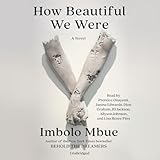
- Audible Audiobook
- Imbolo Mbue (Author) - Prentice Onayemi, Janina Edwards, Dion Graham (Narrators)
- English (Publication Language)
- 03/09/2021 (Publication Date) - Random House Audio (Publisher)
Step-by-Step Plan for Engaging with “How Beautiful We Were”
1. Familiarize yourself with the setting: Understand that Kosawa is a fictional village in an unnamed African nation, deeply impacted by an American oil company’s operations. What to look for: The stark contrast between the natural beauty of Kosawa and the environmental devastation caused by drilling. Mistake: Assuming the setting is a generic African village without appreciating its specific, symbolic role in the narrative.
2. Identify the central conflict: Recognize the core struggle between the villagers of Kosawa and the polluting oil company, Poro. What to look for: The ways in which the company’s presence disrupts traditional life, health, and the environment. Mistake: Focusing solely on the external conflict without understanding its internal impact on the community’s spirit and relationships.
3. Track the generational divide: Observe the differing perspectives and approaches to the conflict between the elders and the younger generation, particularly the young women. What to look for: The tension between adhering to tradition and embracing radical change. Mistake: Underestimating the agency and determination of the younger characters, who become the driving force of resistance.
4. Analyze the symbolism of the land: Pay attention to how the land, water, and natural elements are portrayed. What to look for: The land as a source of life, identity, and spiritual connection, and its desecration as a profound violation. Mistake: Treating the environmental aspects as mere backdrop rather than integral to the characters’ existence and the novel’s thematic core.
5. Engage with the female protagonists: Focus on the journeys of characters like Thula, Ndongo, and Safira. What to look for: Their resilience, their evolving understanding of their power, and their collective efforts to reclaim their future. Mistake: Dismissing their actions as naive or overly idealistic without acknowledging the extreme circumstances driving them.
6. Consider the critique of Western influence: Reflect on how the novel critiques the exploitative nature of global capitalism and the perceived entitlement of Western corporations. What to look for: The ethical implications of resource extraction and the unequal distribution of power and wealth. Mistake: Viewing the conflict as purely local without recognizing its broader commentary on global power dynamics and colonialism’s legacy.
7. Ponder the ending: Reflect on the novel’s resolution and its implications for the future of Kosawa and similar communities. What to look for: The lasting impact of the villagers’ actions and the ongoing struggle for justice. Mistake: Expecting a neat or entirely triumphant conclusion; the novel’s strength lies in its nuanced portrayal of ongoing resistance.
How Beautiful We Were by Imbolo Mbue: A Thematic Examination
Strengths and Limitations
| Feature | Strength | Limitation |
|---|---|---|
| Narrative Voice | Mbue masterfully weaves multiple perspectives, offering a broad range of the village’s experience. The prose is evocative and deeply empathetic, especially when detailing the characters’ inner lives. | The shifting perspectives, while a strength, can occasionally slow the narrative momentum, requiring careful reader attention to maintain continuity. |
| Thematic Depth | The novel is a profound exploration of environmental injustice, colonialism’s lingering effects, and the clash between tradition and modernity. It provides a powerful, necessary voice for marginalized communities. | The weighty themes and somber tone can make for a challenging read. Readers seeking light entertainment may find the novel emotionally demanding and bleak at times. |
| Characterization | The characters, particularly the women of Kosawa, are vividly drawn and complex. Their struggles, resilience, and growth are the heart of the novel, making their plight deeply affecting. | Some secondary characters might feel less developed, serving more as archetypes to illustrate broader societal issues rather than fully realized individuals. |
| World-Building | The fictional village of Kosawa feels palpable, its traditions and its suffering rendered with stark realism. The connection between the people and their land is powerfully conveyed. | The deliberate pacing, while effective for thematic development, may frustrate readers who prefer a more plot-driven narrative with constant action. |
Common Mistakes to Avoid When Reading “How Beautiful We Were”
- Mistake: Focusing solely on the plot and overlooking the thematic underpinnings.
- Why it matters: The novel’s power lies not just in what happens, but in what it signifies about global issues.
- Fix: Actively consider the broader implications of the characters’ actions and the events in Kosawa.
- Mistake: Expecting a straightforward “good versus evil” narrative.
- Why it matters: Mbue presents a complex situation with characters who have mixed motivations and flawed approaches, reflecting real-world complexities.
- Fix: Look for the nuances in character motivations and the moral ambiguities present in the conflict.
- Mistake: Underestimating the significance of the natural environment.
- Why it matters: The land in “How Beautiful We Were” is not just scenery; it’s a character, a source of life, and a symbol of cultural identity.
- Fix: Pay attention to descriptions of the land, water, and animals, and their connection to the villagers’ well-being and spirituality.
- Mistake: Dismissing the younger generation’s activism as reckless or naive.
- Why it matters: Their actions are a direct response to the failures of previous generations and the ongoing injustices they face.
- Fix: Understand their activism within the context of desperation and a fierce desire for self-determination.
Decision Rules
- If reliability is your top priority for How Beautiful We Were by Imbolo Mbue, choose the option with the strongest long-term track record and support.
- If value matters most, compare total ownership cost instead of headline price alone.
- If your use case is specific, prioritize fit-for-purpose features over generic ‘best overall’ claims.
FAQ
Q: Is “How Beautiful We Were” a historical novel?
A: While it draws on historical realities of colonialism and resource extraction, “How Beautiful We Were” is a work of contemporary fiction set in a fictional village. It explores timeless themes relevant to current global issues.
Q: Who are the main characters to focus on?
A: The novel centers on the women of Kosawa, particularly the younger generation who become central to the resistance. Key figures include Thula, Ndongo, and Safira, whose perspectives drive much of the narrative.
Q: What is the primary message of “How Beautiful We Were”?
A: The novel’s primary message revolves around the devastating impact of environmental exploitation and colonialism on indigenous communities, the importance of collective action, and the resilience of the human spirit in the face of overwhelming adversity.
Q: How does “How Beautiful We Were” compare to other novels about environmental justice?
A: Compared to works like Richard Powers’ “The Overstory,” which focuses on forests, Mbue’s novel grounds its environmental message in the specific human cost of resource extraction within a community context. It offers a more direct, character-driven critique of corporate power and its impact on daily life.